See What
Matters
We cross-reference specs, mine contradictions in thousands of real reviews, and tell you what the marketing won't. No fake hands-on claims — just data.
Our Top Picks
The short list, distilled from 113,000+ real reviews.
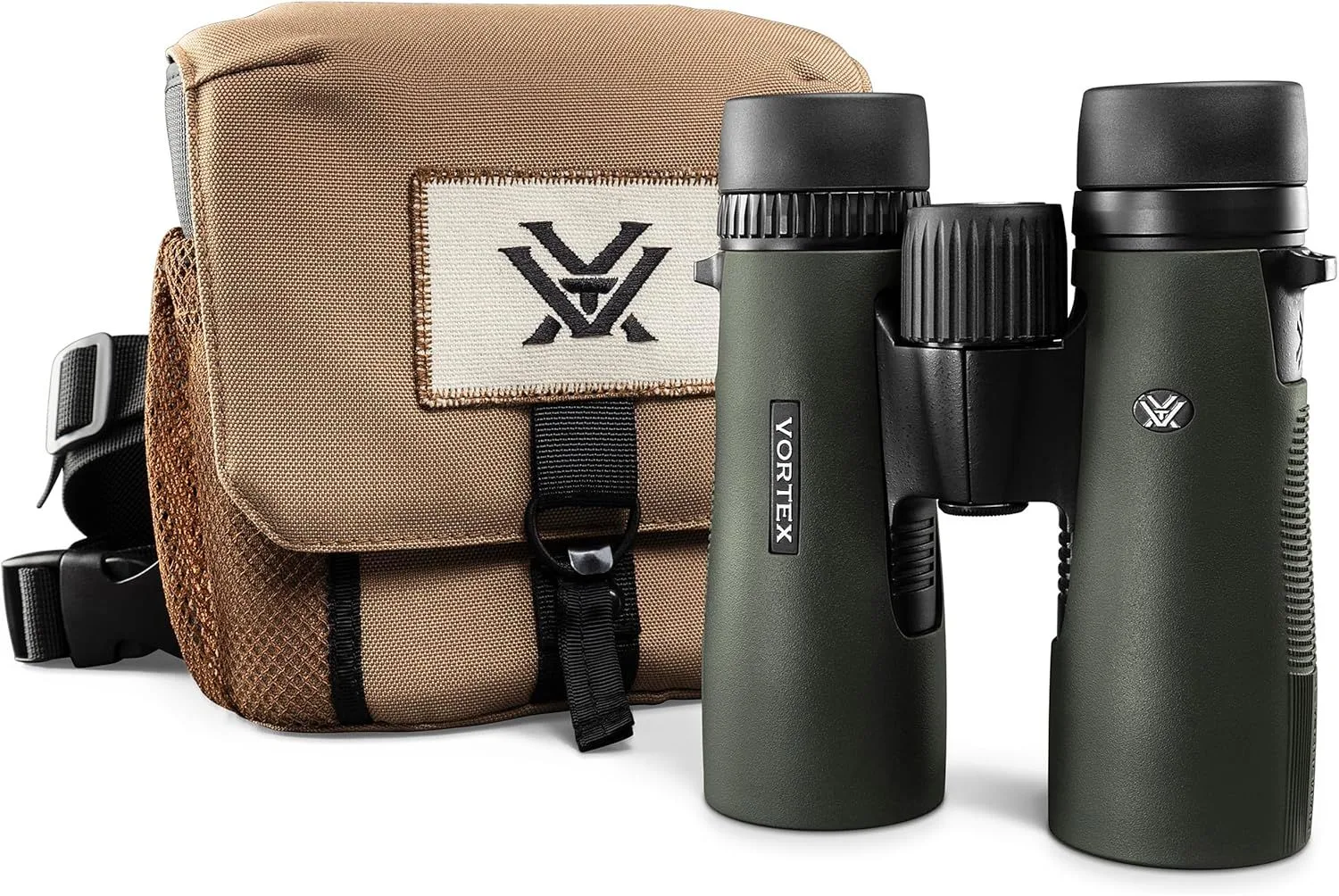
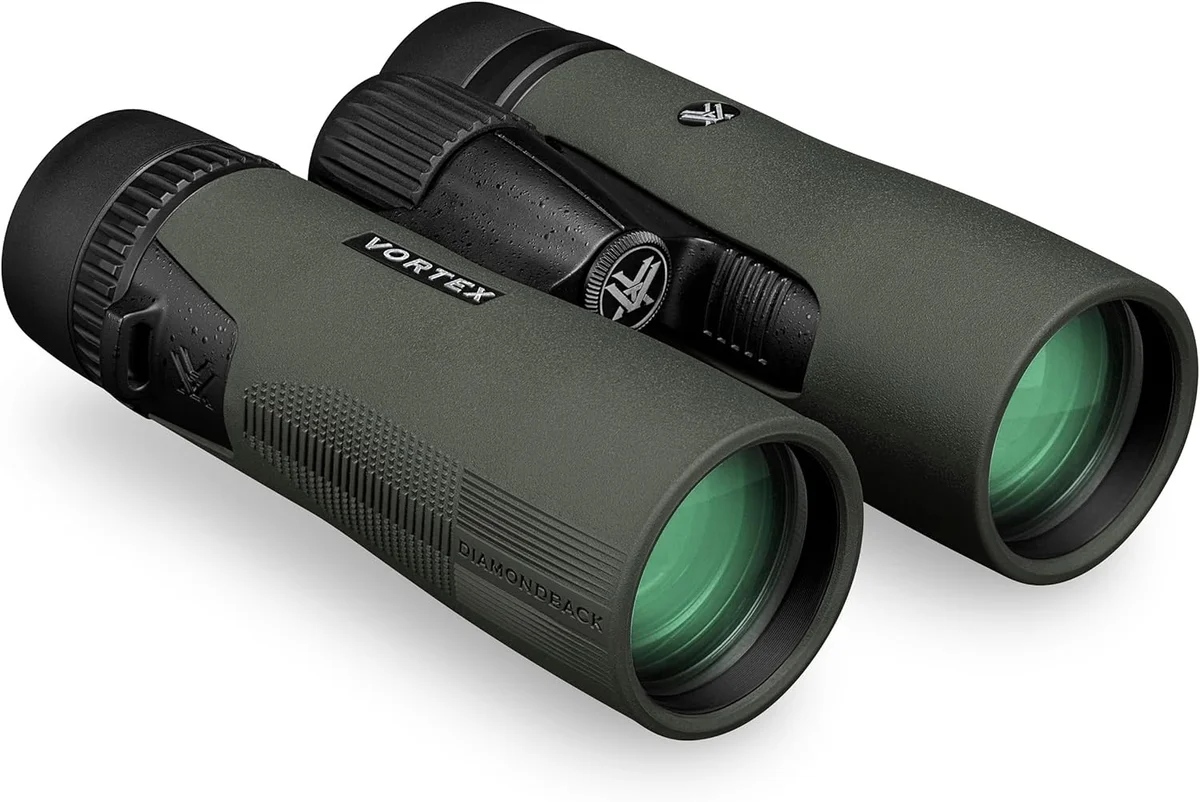
Diamondback HD 10x42
Phase-corrected optics and dielectric coatings at the sweet spot before diminishing returns.
Read Review →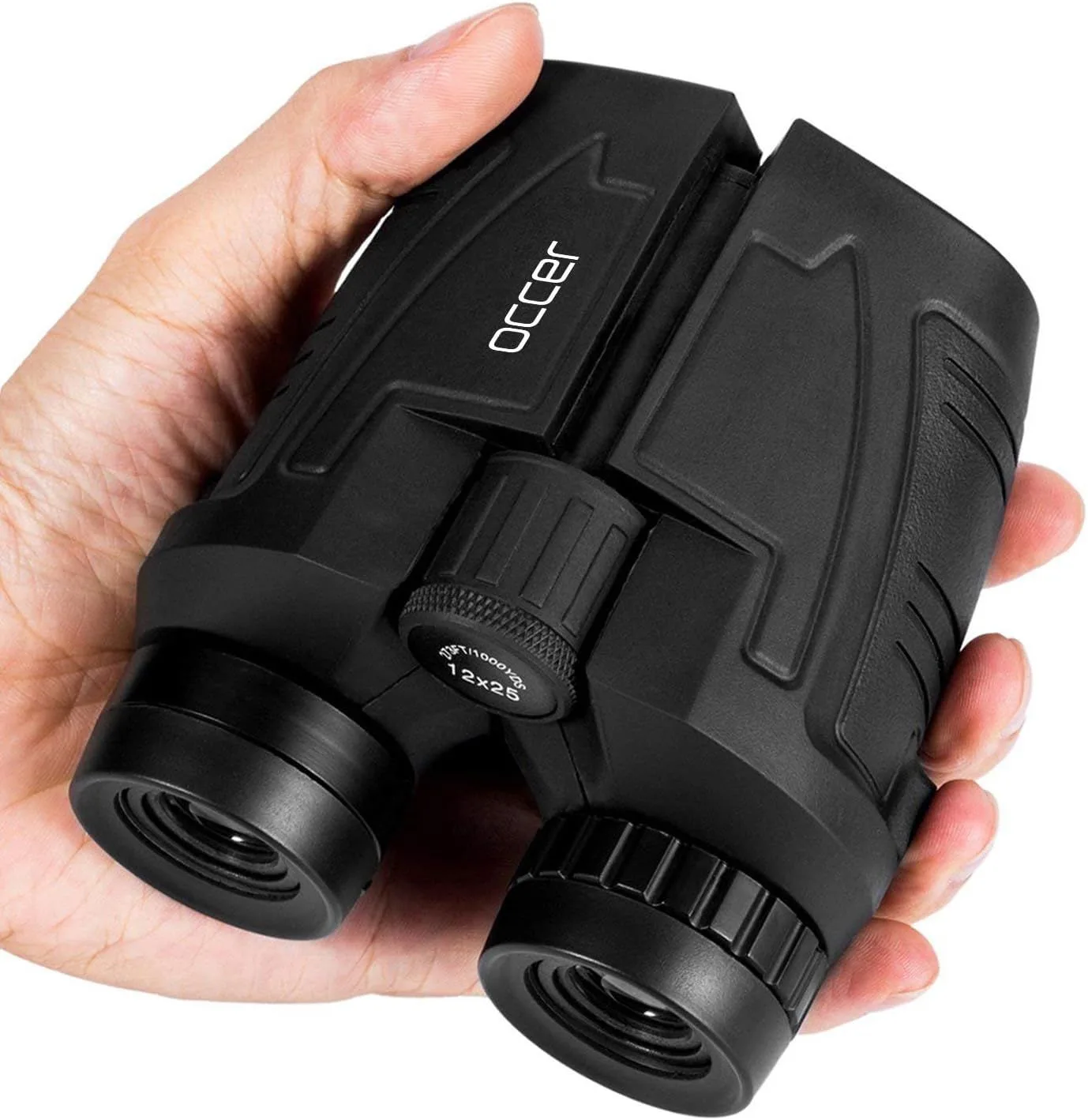
Occer 12x25
Pocket-sized for concerts and travel — just don't expect it to be waterproof.
Read Review →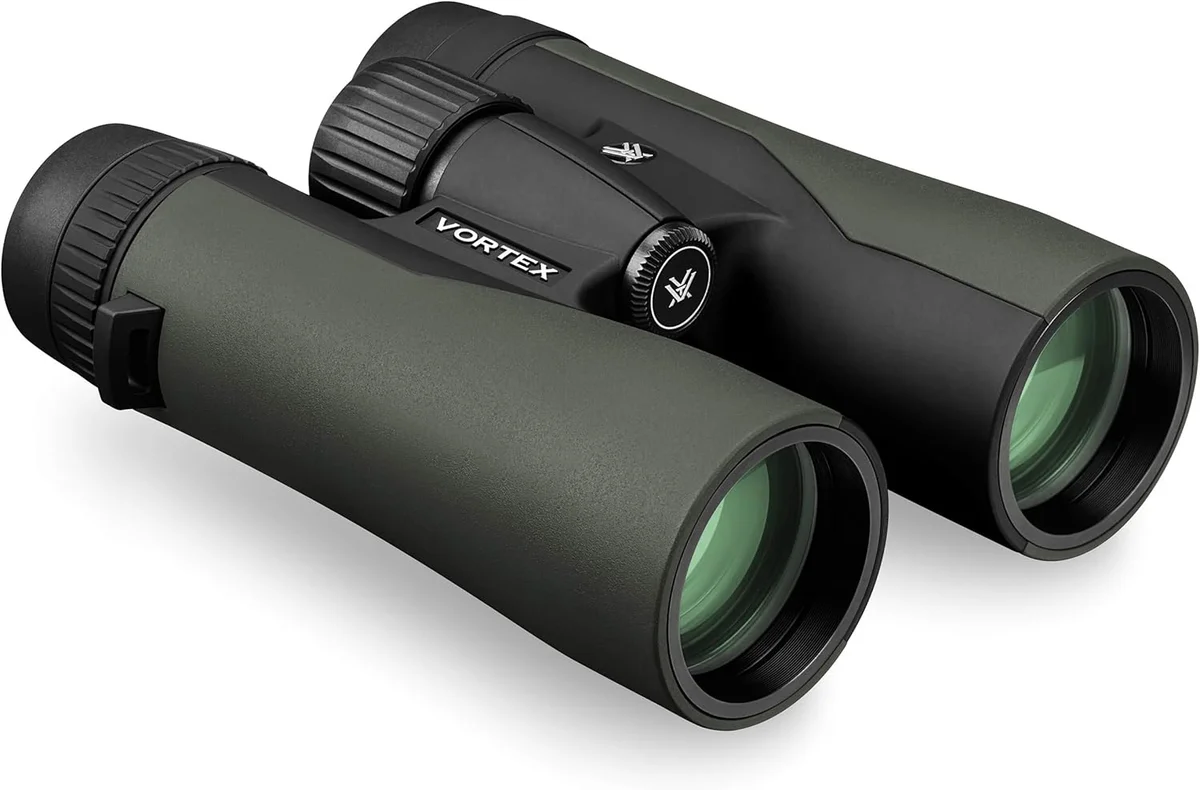
Crossfire HD 10x42
The gateway to serious optics — Vortex quality and VIP warranty under $200.
Read Review →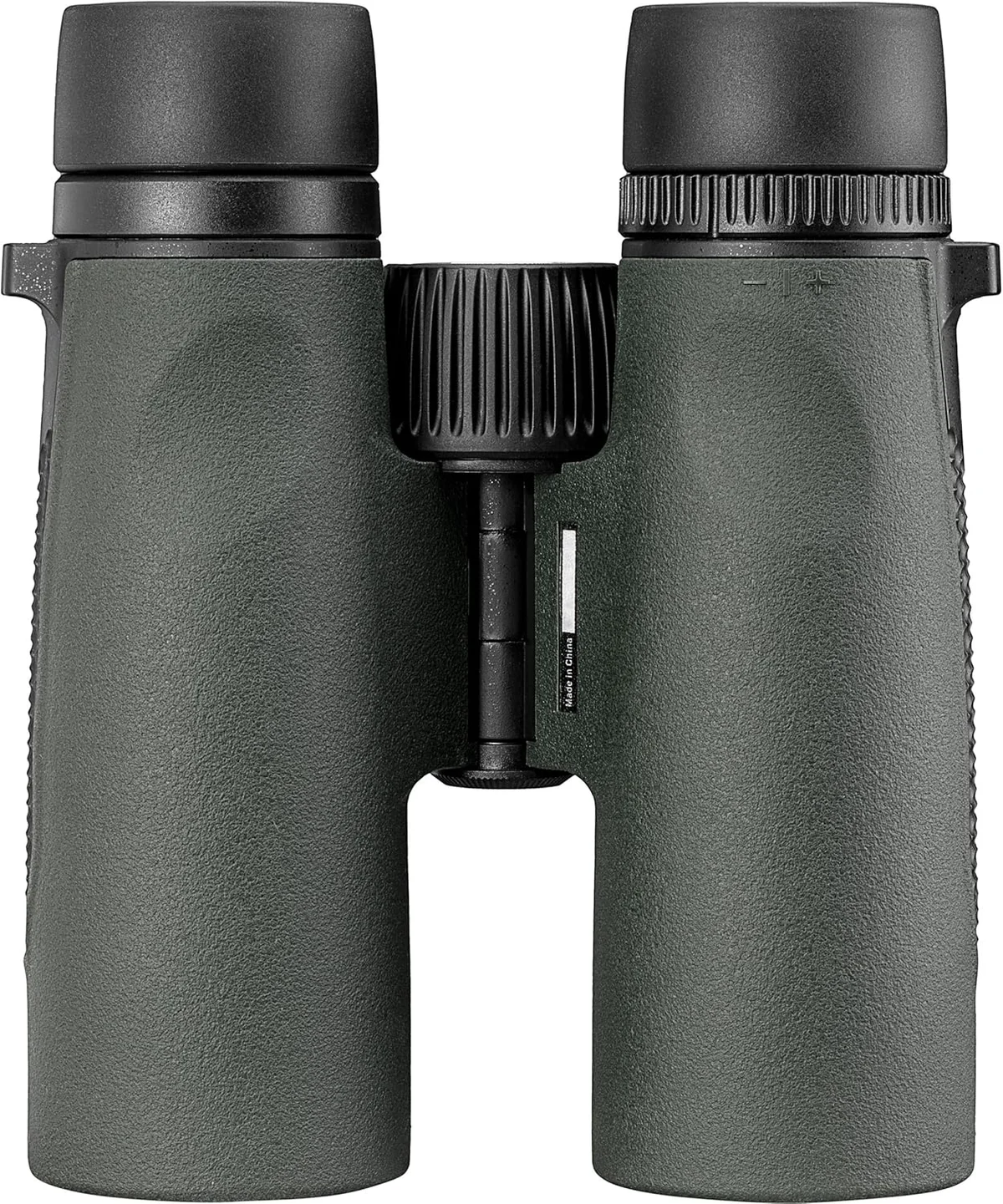
Triumph HD 10x42
The only sub-$100 binocular worth buying, backed by the same warranty as $2,000 glass.
Read Review →Explore
Full-Size
42-50mm all-roundersCompact
Pocket-sized 25mmNight Vision
Low-light performanceBuying Guide
Where to startBirding
Field-tested for birdsHunting
Dawn to dusk glassHiking
Light and ruggedConcerts
Close-up from any seatStargazing
Comets, planets, deep skySpecs Decoded
Numbers that matterLens Coatings
What coatings doHead-to-Head
Top comparisonLatest Reviews
In-depth analysis backed by real-world data.
Diamondback HD 10x42
Hunters and birders who want the best glass under $300 with a lifetime warranty
Read Review →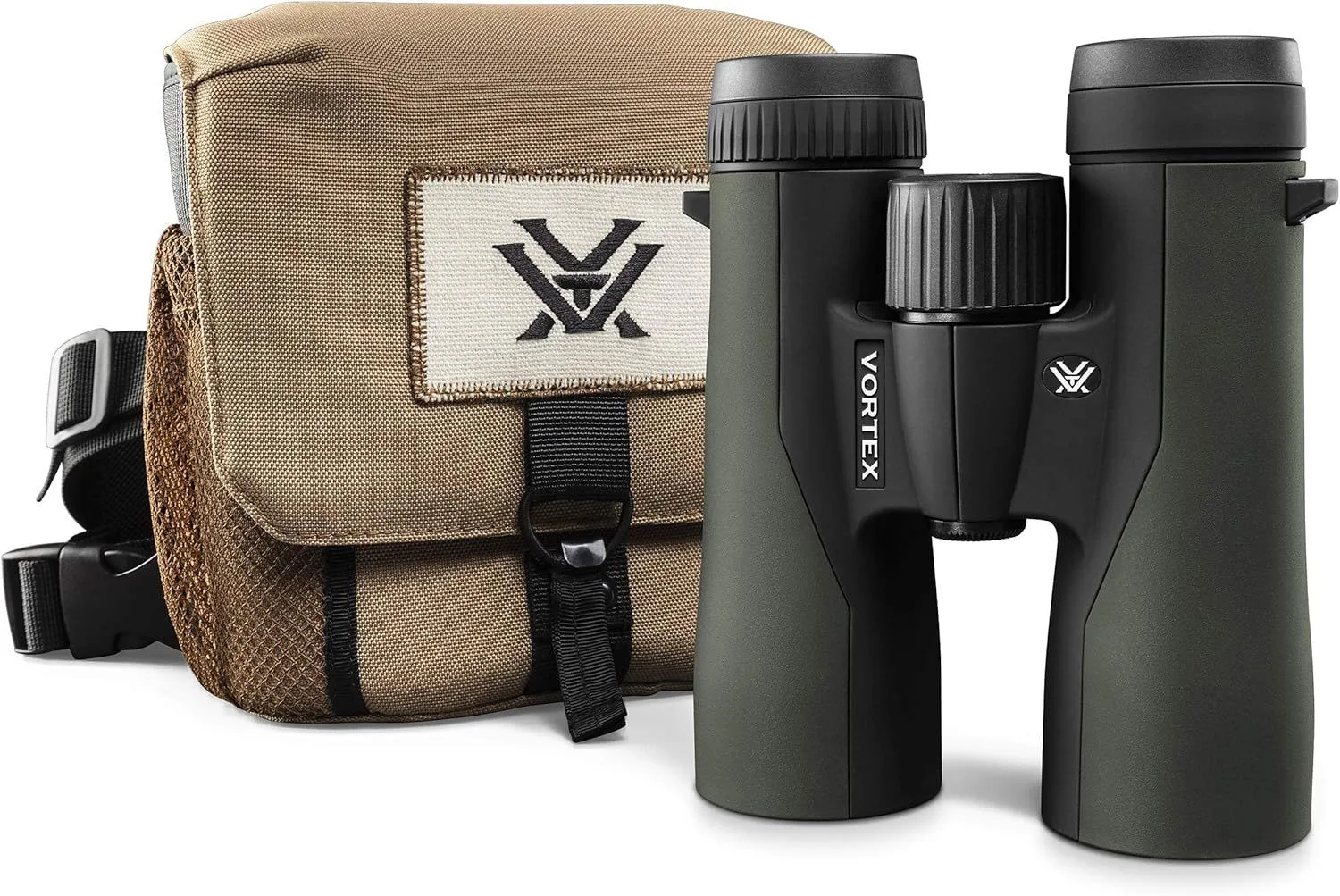
Crossfire HD 10x42
First-time buyers who want a trusted brand with a real warranty under $200
Read Review →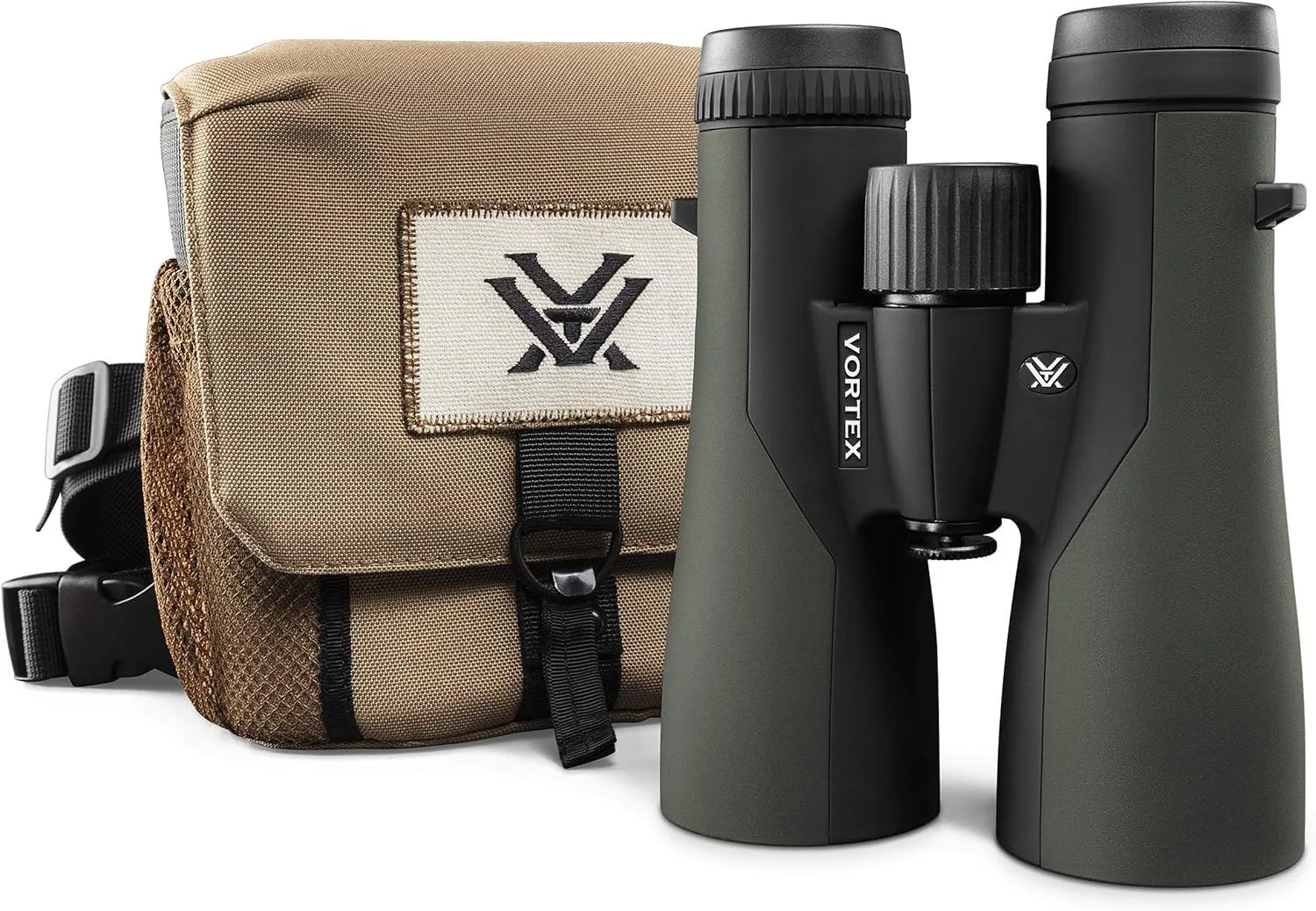
Crossfire HD 12x50
Stationary hunters who need extra magnification and are willing to carry the weight
Read Review →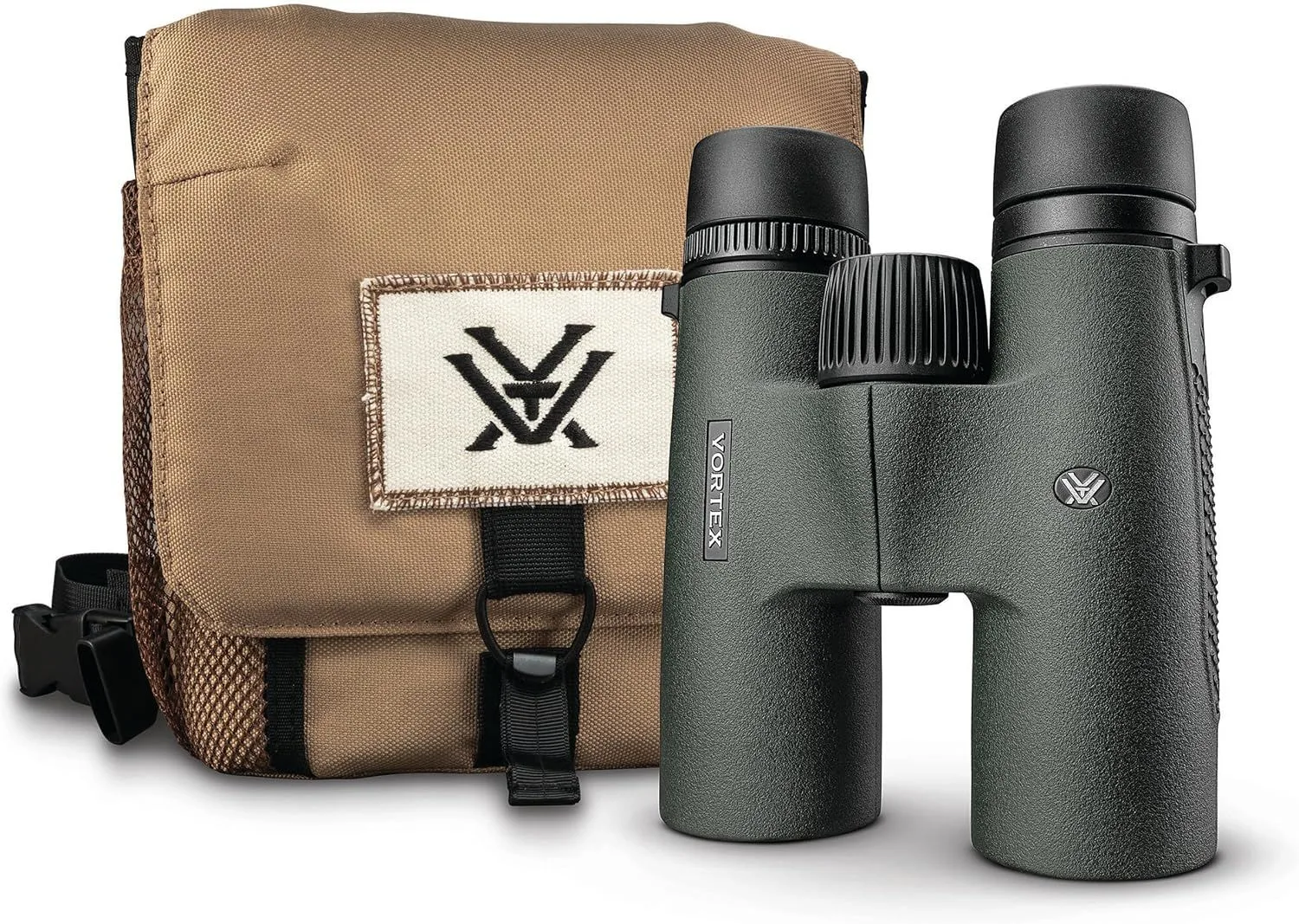
Triumph HD 10x42
Budget-conscious hunters and beginners wanting a trusted brand with a real warranty under $100
Read Review →Occer 12x25
Concerts, sporting events, and travel where pocketability matters more than optical performance
Read Review →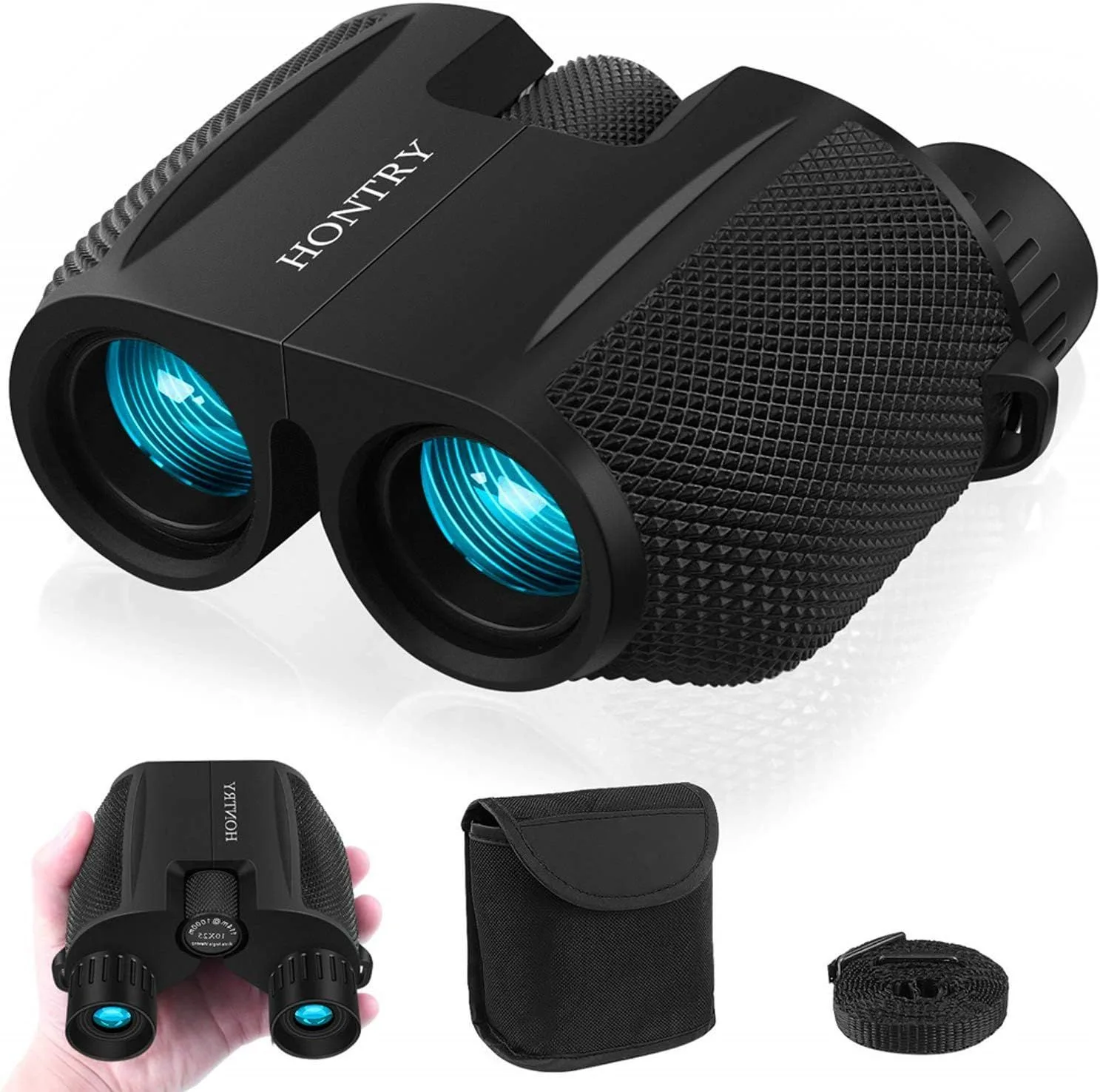
Hontry 10x25
Kids, casual events, and gift buyers who want something functional under $30
Read Review →How We Evaluate
No lab. No fake hands-on claims. Instead: data synthesis at scale.
Mine Real Reviews
We analyze 113,000+ verified customer reviews across Amazon, Google Shopping, and specialty forums. Patterns emerge that no single review reveals.
Cross-Reference Specs
Every spec claim is verified against independent lab data (AllBinos, OutdoorGearLab) and tested against real-world reports. When specs and reality diverge, we say so.
Find Contradictions
The gap between 5-star marketing and 1-star reality is where the truth lives. We mine contradictions between claimed specs and actual user experience.
State Opinions
If the data says skip this product, that's the verdict. We recommend based on data, not sponsorships — and every review picks winners and losers because that's what you came here for.
Why Exit Pupil Matters
The brightness spec most people overlook. Bigger circle = brighter image.
Exit pupil is objective diameter divided by magnification. A 10x42 binocular produces a 4.2mm exit pupil — bright enough for dawn and dusk. A 12x25 compact delivers only 2.08mm — dim in anything but full sun.
This single spec determines more about your viewing experience than brand, coating type, or prism glass combined. Yet most buyers never check it. But it matters.
Learn about all the specs that matter →Popular Comparisons
Side-by-side breakdowns with data, not opinions.
Common Questions
What magnification binoculars should I get?
10x is the sweet spot for most uses — birding, hunting, hiking, and general outdoor observation. 8x gives a wider field of view for tracking moving subjects. 12x and above amplify hand shake and usually require a tripod. Start with 10x42 unless you have a specific reason not to.
What does the second number (like 42) mean?
The second number is the objective lens diameter in millimeters. Larger objectives (42mm, 50mm) gather more light for brighter images, especially at dawn and dusk. But they also add weight. 42mm is the standard for full-size binoculars because it balances brightness and portability.
Are expensive binoculars really better?
Up to about $250, every dollar buys a visible optical improvement — better coatings, phase correction, dielectric layers. Above $500, improvements become subtle and specialized. The Vortex Diamondback HD at $224 hits the point where most people stop noticing the difference from $800 glass.
Do I need waterproof binoculars?
If you use binoculars outdoors regularly, yes. Look for O-ring sealed with nitrogen or argon purging — that prevents internal fogging during temperature changes. "Water resistant" and "waterproof" without an IPX rating are marketing claims that may not survive real rain.
What binoculars are best for glasses wearers?
Look for 17mm or more of eye relief. Below 14mm, you cannot see the full field of view with glasses on. The Vortex Triumph HD (17mm) is the best budget option for glasses. The Hontry at 10mm is essentially unusable with spectacles.
How much should I spend on binoculars?
Under $50 buys a functional pair for occasional use. $100-150 gets you a trusted brand with a real warranty. $200-250 is where optics get genuinely good — phase correction, dielectric coatings, and glass that performs at dawn and dusk. Above $500 is for serious enthusiasts.
Get Picks Delivered
One email per week. Honest reviews, no spam.
Only when something changes. Unsubscribe anytime.
Find Your Perfect Binoculars
Birding at dawn, glassing a ridge, watching from Row 40 — we've analyzed the data so you don't have to guess.