Binoculars for Concerts: See the Stage from Any Seat
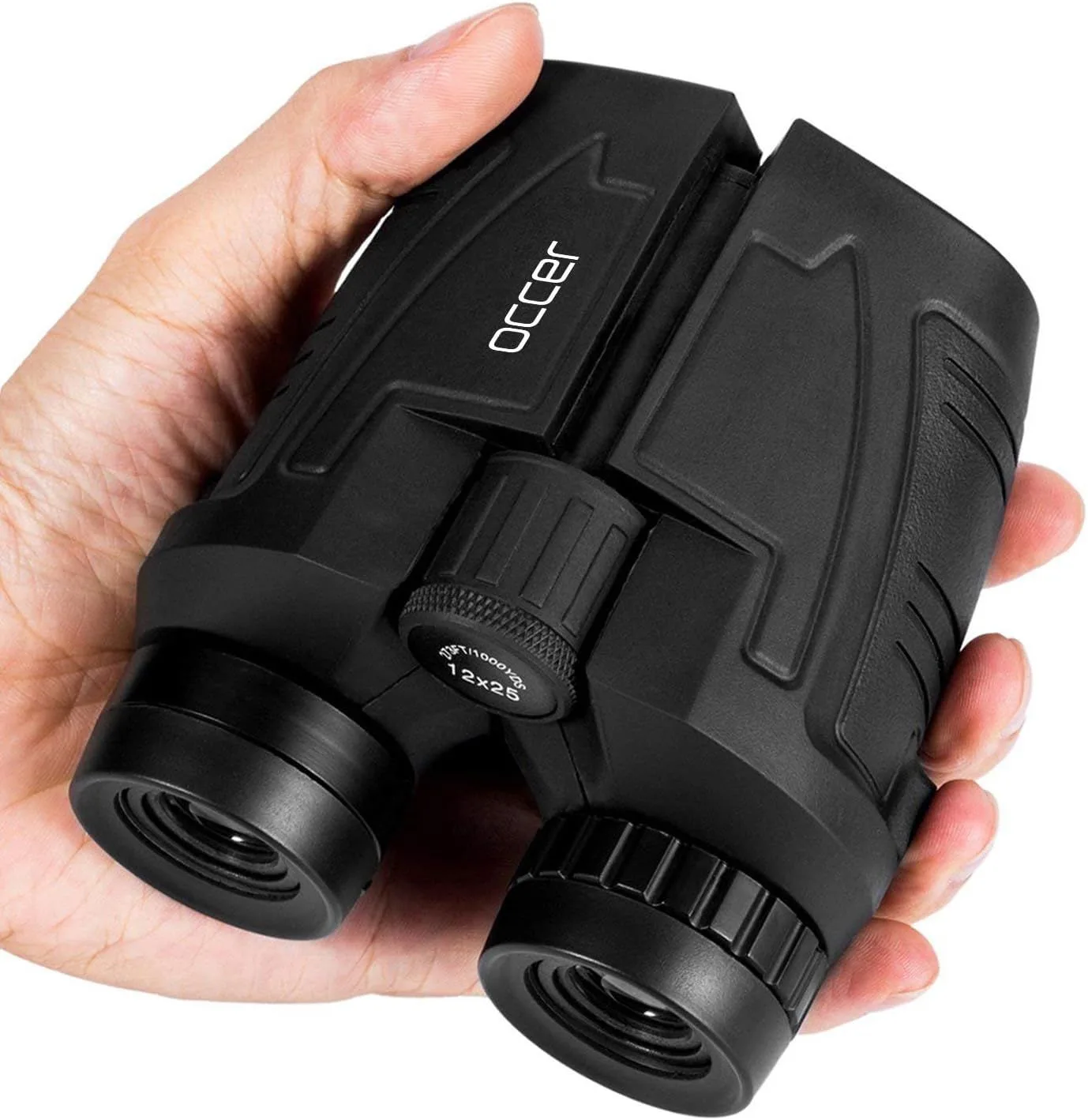
Concert binoculars solve a specific problem: you paid for a seat that's too far from the stage to see the performer's face clearly, and you want to close that gap without carrying a full-size optic into a crowded venue. The ideal concert binocular is small enough to fit in a jacket pocket, bright enough for indoor arena lighting, and powerful enough to make Row 40 feel like Row 5. Two specs drive the entire decision — magnification and size.
This is not a complicated purchase. Skip the overthinking.
We reviewed how concert-goers, theater fans, and sporting event attendees actually use compact binoculars based on over 900 verified reviews from pocket-sized models in our catalog. The consistent feedback: magnification above 10x creates shake problems in standing crowds, pocketability is non-negotiable for venues with strict bag policies, and image brightness matters less than you'd expect because stage lighting is typically intense. Our guide for first-time binocular buyers covers the broader picture. This page is venue-specific.
See Our Top Pick: Occer 12x25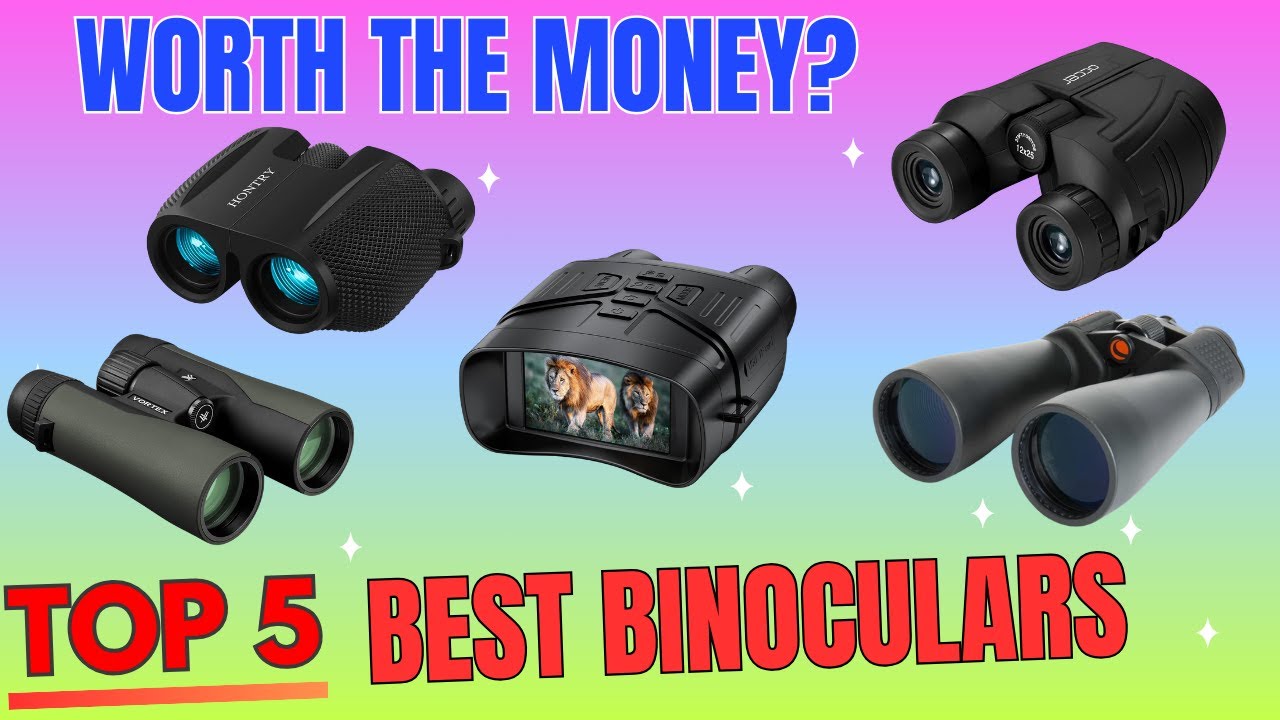
The Two Specs That Control Your Concert Experience
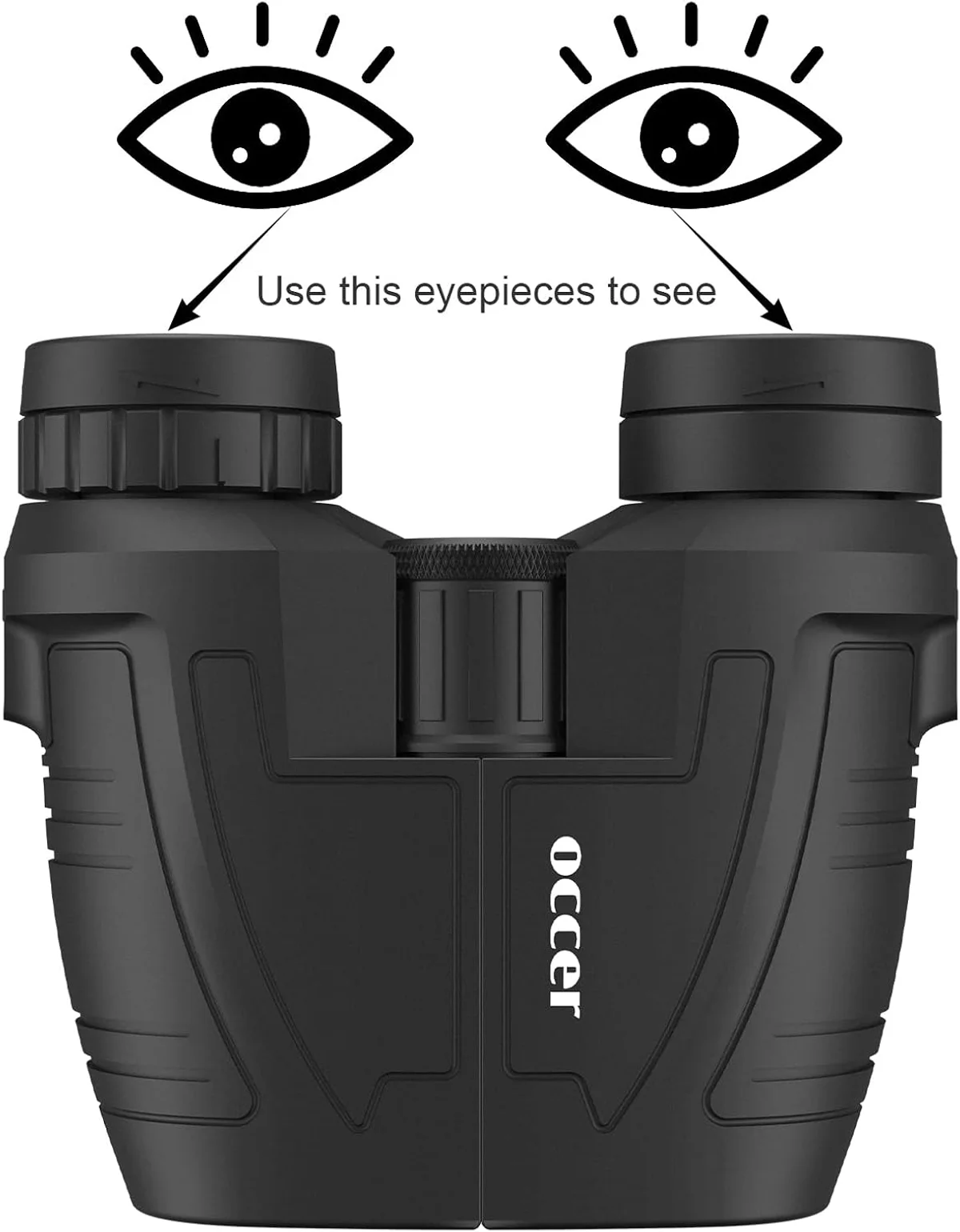
Concert binoculars live and die on two numbers: magnification and objective lens diameter. Everything else — coating quality, prism type, waterproofing — is either irrelevant for indoor use or a minor bonus for outdoor festivals. Understanding these two numbers takes thirty seconds and covers 90% of the buying decision for live events.
Magnification (the first number): A 10x binocular makes a performer 200 feet away look like they're 20 feet away. From the upper deck of a 20,000-seat arena, that's the difference between seeing a silhouette under stage lights and seeing the singer's facial expressions, the drummer's stick technique, and the guitarist's fret hand. 10x is the target for arena-sized venues. 8x works for smaller theaters and seated performances where the stage is closer. 12x pushes the detail further but amplifies every hand movement — problematic when you're standing, the crowd is moving, and your arms are elevated.
Objective lens diameter (the second number): The 25 in "10x25" means 25mm front lenses. Bigger lenses gather more light but add size and weight. At 25mm, binoculars stay pocket-sized and lightweight. At 42mm, they deliver brighter images but won't fit in a pocket and weigh 3-4x more. For concerts, 25mm wins because stage lighting is bright enough that the light-gathering penalty of smaller lenses is invisible — the performer is literally under spotlights. The brightness advantage of 42mm glass only shows up in low-light conditions like dawn birding, not under concert lighting rigs.
Our guide to what binocular numbers mean covers the math behind these specs in full detail.
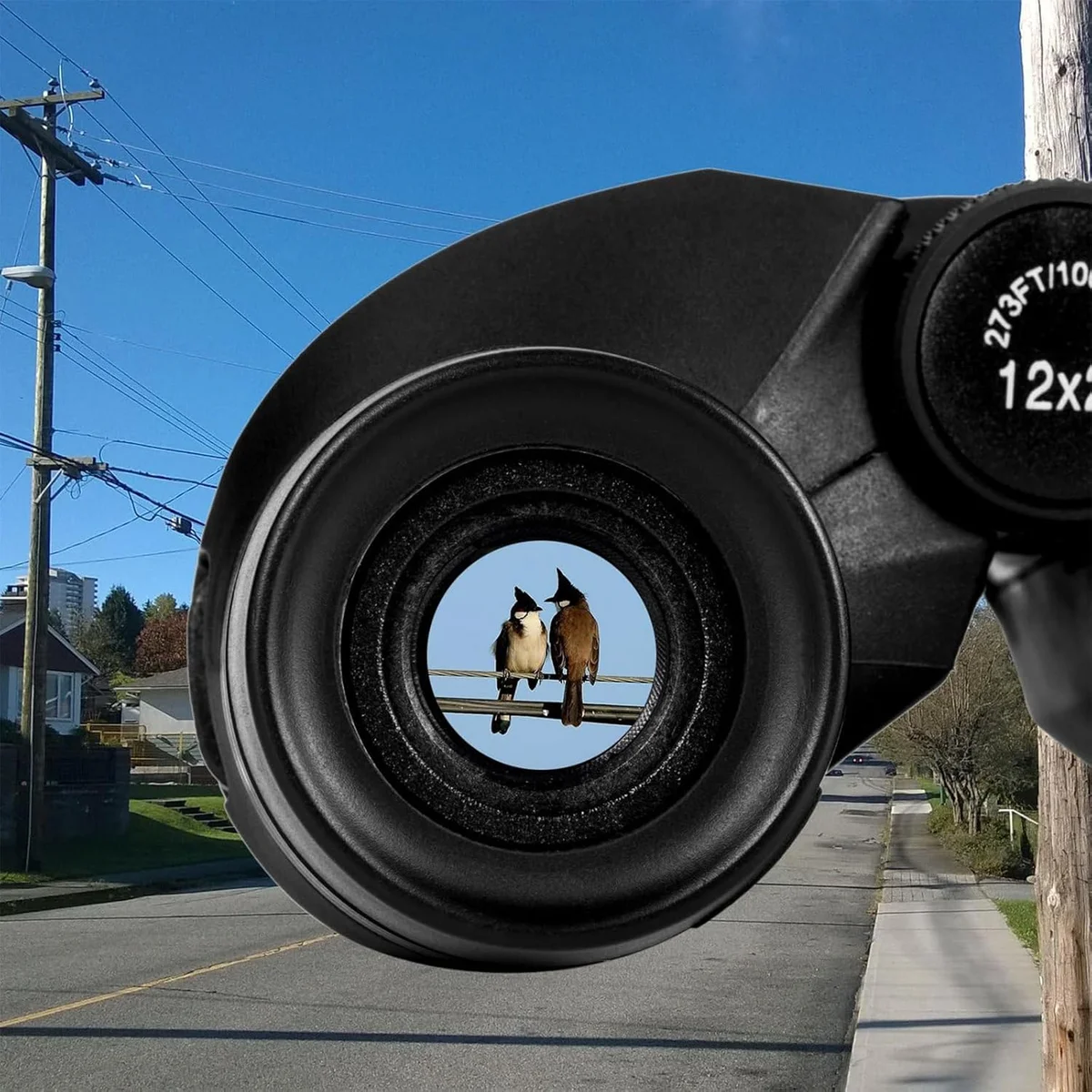
Why Compact Wins Over Full-Size for Live Events
Look, a Diamondback HD 10x42 produces a sharper, brighter image than any compact binocular. That's not debatable. But carrying a 21-ounce, 6-inch-tall binocular into Madison Square Garden introduces problems that erase the optical advantage:
Portability is everything in a venue.
Bag policies. Many venues enforce clear-bag policies or limit bag sizes to small clutches. A full-size binocular does not fit in a clear stadium bag. A compact fits in a jacket pocket and passes through security without a second glance.
Crowd dynamics. You're standing in a packed general admission section. Your hands are at face level holding binoculars. Full-size binoculars are heavy enough that arm fatigue sets in within minutes of sustained use at face level. Compacts at 7 oz can be held up through an entire three-song encore without your arms protesting.
Stowability. Between uses, full-size binoculars need to hang from a strap or sit in a bag. Compacts slide back into your pocket in one motion. The convenience gap compounds over a three-hour show where you lift and stow binoculars dozens of times.
The only scenario where full-size binoculars make sense at a concert: outdoor amphitheaters with assigned seating, where you're sitting down, the venue allows bags, and the seating is far enough from stage that the extra optical quality justifies the bulk. Even then, compacts work fine. Full-size glass is the enthusiast choice, not the practical one.
Indoor vs Outdoor Venues: What Changes
Indoor arenas and theaters: Stage lighting is controlled and intense. The performer is well-lit from multiple angles. Even budget compact binoculars produce acceptable brightness under these conditions because the subject is flooded with light. Image brightness — the spec that separates premium glass from budget glass in outdoor applications — barely matters indoors. Focus on magnification, pocketability, and comfort instead.
Outdoor amphitheaters and festivals: Daytime shows are no different from indoor — ambient light is abundant. Evening outdoor shows can be trickier: once stage lighting is the only illumination, the performer is bright but the surrounding scene is dark. Compacts handle this well because your eye is drawn to the lit subject, not the dark surroundings. The exception is festivals where you're trying to see performers on distant secondary stages with minimal lighting — here, the extra light-gathering of 42mm objectives would help, but the impracticality of carrying full-size glass through a festival crowd outweighs the benefit.
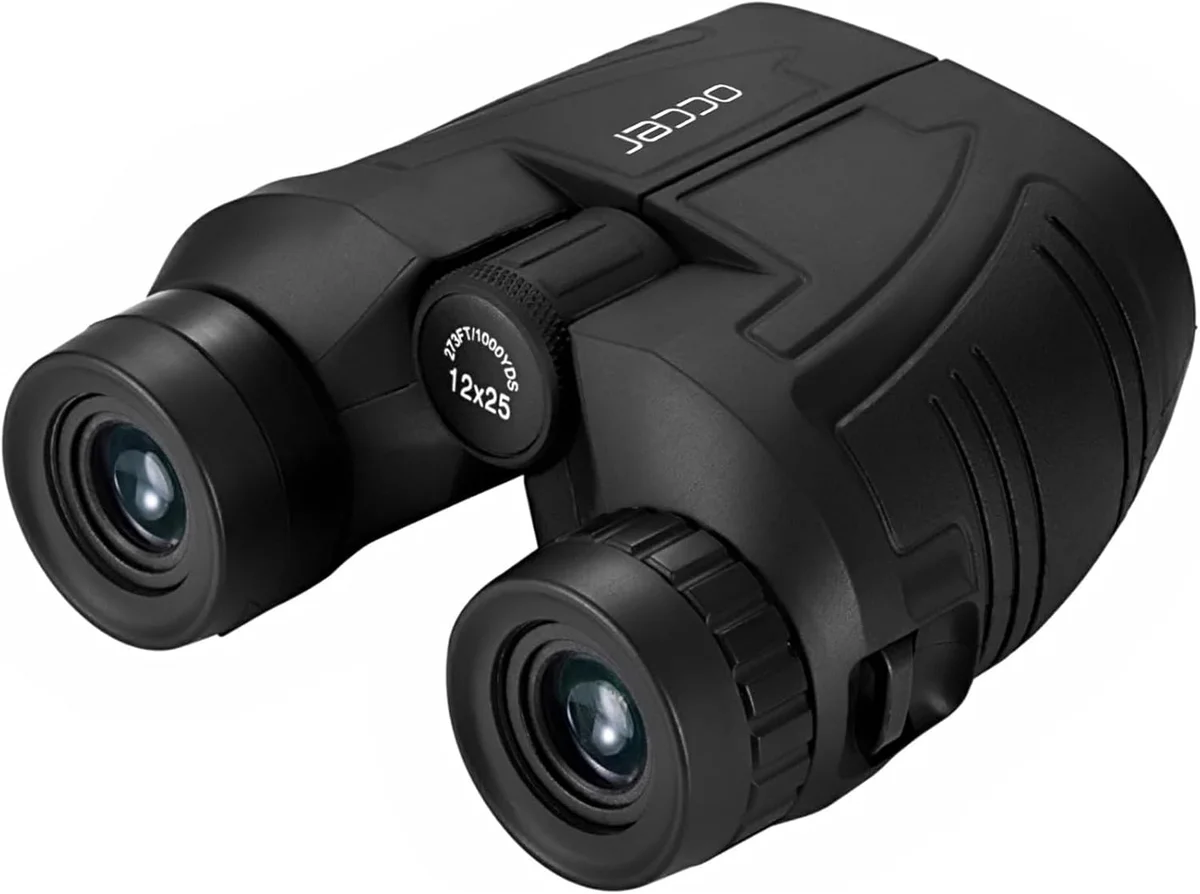
Stadium concerts (50,000+ seats): Distance becomes extreme in the upper deck of a football stadium. From 400+ feet, even 10x binoculars show the performer as a recognizable figure rather than a detailed close-up. 12x compacts like the Occer 12x25 compact binocular earn their extra magnification in these venues — the 20% additional reach over 10x is noticeable when the starting distance is that large. The hand-shake penalty of 12x matters less when you're seated and bracing your elbows on armrests.

Budget Tiers for Concert Glass
Under $25 — the impulse tier. The Hontry 10x25 at under $25 is a foldable, pocketable binocular that delivers 10x magnification through BaK-4 prisms. At this price, it's practically disposable — lose it at a festival, forget it in a seat, drop it in a crowd. The optics are acceptable for lit stages. The build quality won't survive years of abuse, but for concert use where binoculars spend 95% of their time in a pocket, longevity is less critical than portability.
$30-$40 — the sweet spot. The Occer 12x25 at about $36 adds better glass (BaK-4 prisms with improved coatings), 12x magnification for large-venue reach, and a slightly more solid build. This is the price tier where concert binoculars stop feeling like a novelty and start feeling like a useful tool. The extra magnification is specifically valuable for arena upper decks and stadium nosebleed sections where every percent of zoom helps.
$99+ — only if you'll also use them outdoors. If your concert binoculars will double as birding, hiking, or hunting glass, stepping up to a Crossfire HD 10x42 makes sense — but you're buying for the outdoor application, not the concert. For concert-only use, spending $100+ on a full-size binocular that won't fit in your pocket is solving a problem that a $36 compact already solves better.
What You Don't Need for Concert Binoculars
Half the specs on the box are for birders, not concertgoers.
The binocular industry markets features that matter for outdoor field use — birding, hunting, wildlife observation. For concerts and events, most of those features are irrelevant. Knowing what to skip saves money and prevents you from buying a more expensive, heavier binocular than the situation requires.
Waterproofing. Indoor concerts don't involve water. Outdoor festivals might see rain, but budget compacts handle light rain adequately and cost little enough to replace if damaged. Full O-ring sealing and gas purging are engineering solutions for field binoculars that spend hours in rain and humidity — not for a pair of binoculars that lives in your jacket pocket between uses.
Phase correction and dielectric coatings. These optical treatments improve contrast and light transmission — critical for dawn birding and twilight hunting. Under concert lighting, the performer is illuminated by 50,000+ watts of professional stage lights. The brightness differential between phase-corrected glass and non-corrected glass is invisible when the subject is under a spotlight. Save the money for a better seat.
Nitrogen or argon purging. Prevents internal fogging during temperature shifts. Useful when transitioning from a warm vehicle to cold outdoor air. Irrelevant for walking from a climate-controlled lobby to a climate-controlled arena. If you're at an outdoor winter concert, fogging is possible but manageable — let the binoculars acclimate for a few minutes before use.
Close focus distance. Birders need binoculars that focus at 5-6 feet for feeder watching. At a concert, the closest you'll use binoculars is roughly 50-100 feet — well within the focus range of every binocular ever made. Close focus specs are irrelevant for venue use.
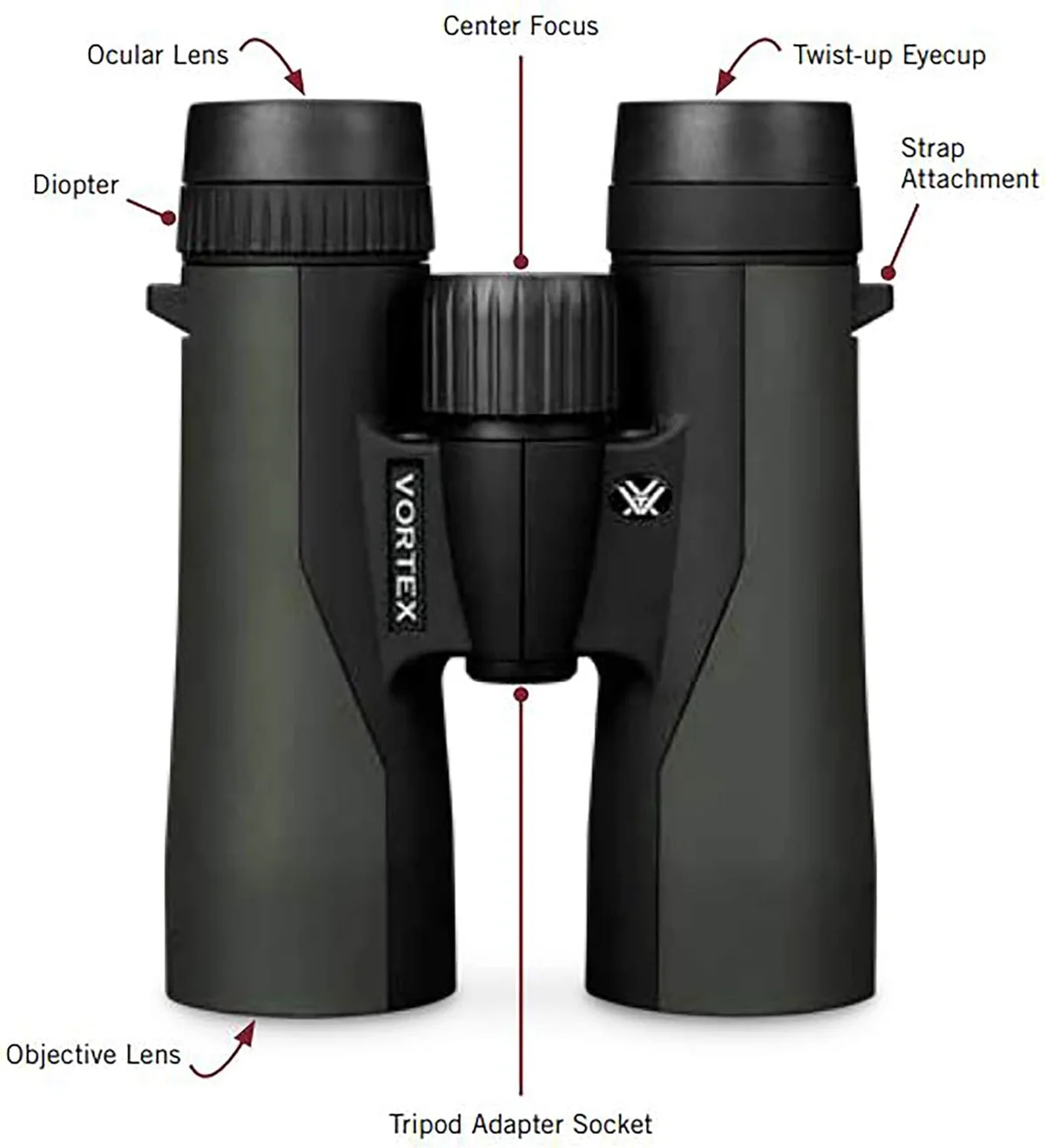
How to Actually Use Binoculars at a Packed Show
Owning concert binoculars is the easy part. Using them comfortably in a crowd takes a small amount of technique that most first-timers discover through trial and error. Here's the shortcut.
Three techniques make the difference between fumbling with binoculars in the dark and using them effortlessly.
Pre-focus before the show. Find a distant sign or screen in the venue during setup or opening acts. Focus the binoculars until that target is sharp, then leave the focus wheel alone. At concert distances (100+ feet), the depth of field is wide enough that anything on or near the stage will be sharp without refocusing. This means you can raise and lower the binoculars throughout the show without touching the focus wheel — one less thing to fumble in the dark.
Brace for stability. If seated, rest your elbows on armrests. If standing, tuck elbows against your ribcage. If you're near a railing or barrier, brace the binoculars against it. Each bracing point reduces hand shake and produces a visibly steadier image, especially at 12x magnification where every micro-movement is amplified.
Use intermittently, not continuously. Concert binoculars are for moments — a guitar solo, a costume change, an emotional closeup during a ballad. Watching the entire show through binoculars is exhausting and isolating. Use them for the moments you want to remember in detail, then put them away and experience the rest of the show with your eyes. The best concert binoculars are the ones you lift twenty times during a show, not the ones you hold up for two hours straight.
Sporting Events: The Same Logic Applies
Baseball, football, soccer, horse racing — the binocular requirements mirror concerts. You're in a seat (usually), the subjects are well-lit (daytime or stadium lights), and pocketability determines if they make it out of the car. A compact 10x25 is the right tool for the same reasons it's right for concerts: it's light, it's portable, and it provides enough magnification to follow the action from upper-level seating.
One difference: at sporting events, you're tracking fast lateral movement. Field of view matters more than at a concert where the performer is relatively stationary. A wider FOV helps follow a receiver running a route or a horse rounding a turn. The Occer 12x25 with its 12x magnification has a slightly narrower field than the Hontry 10x25 at 10x power due to higher magnification. The Hontry beats the Occer on field of view for sports, but the Occer wins on magnification for concerts — a tradeoff worth noting for sports use where tracking speed matters.
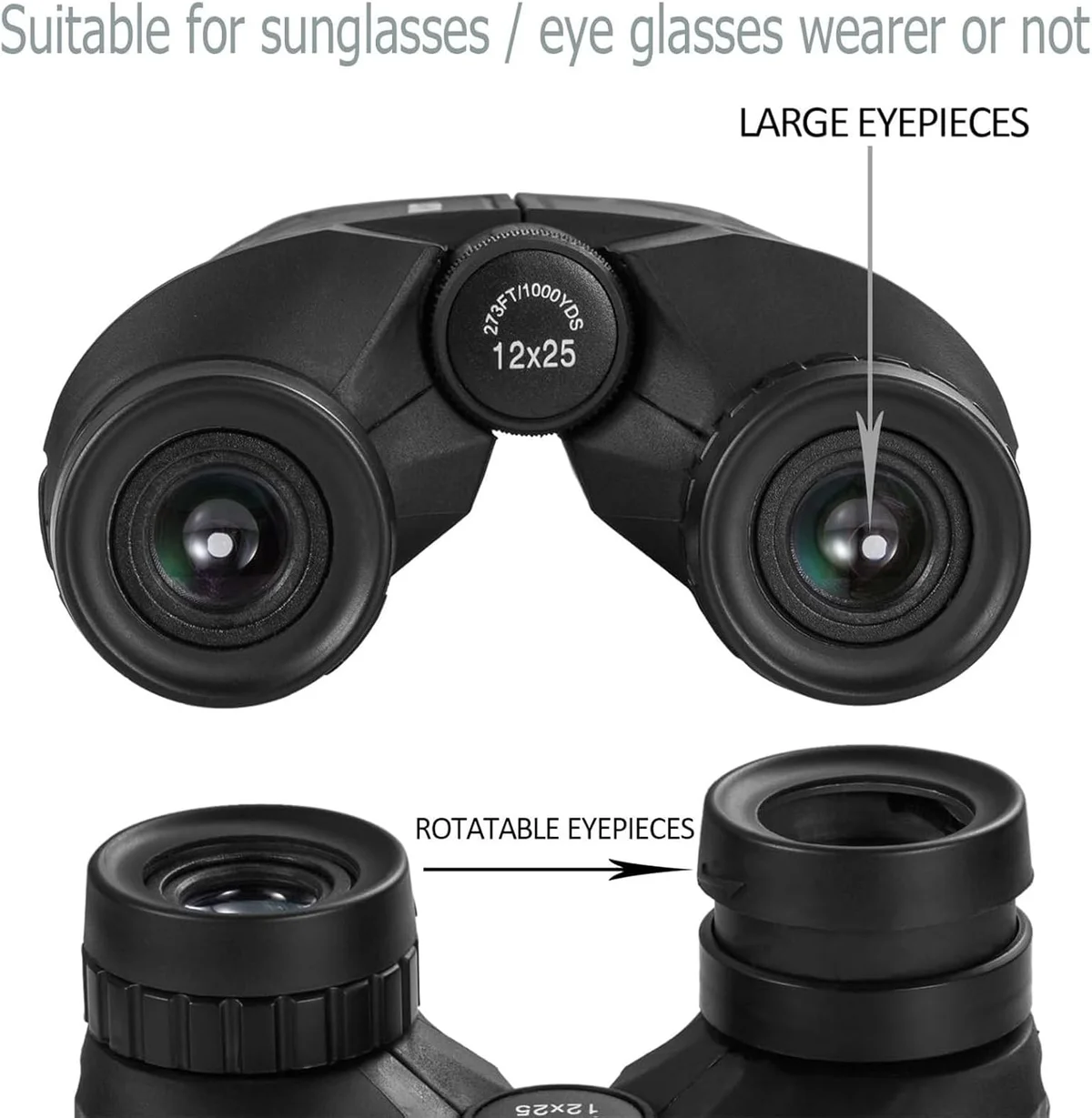
Our Concert Pick
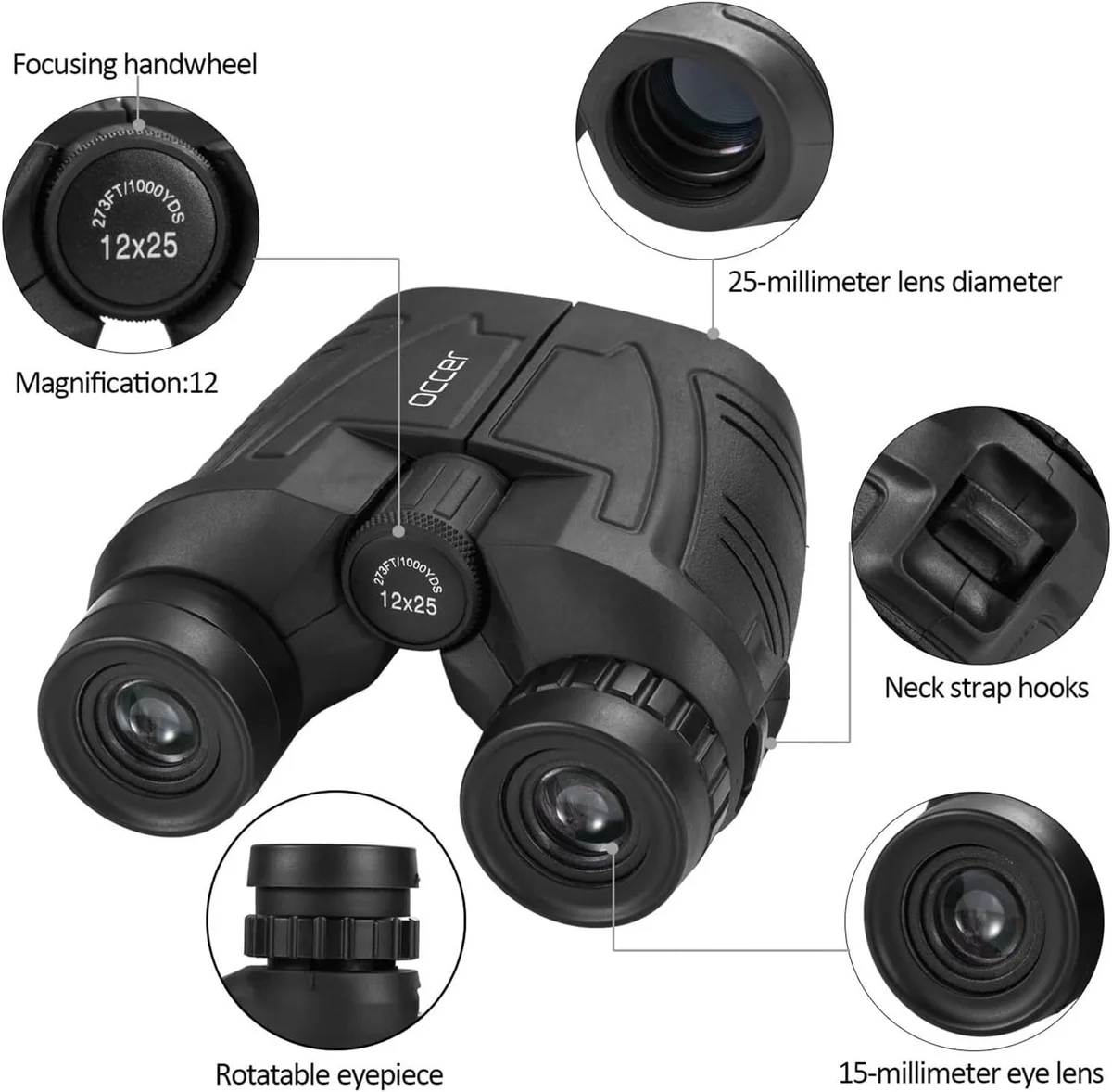
The Occer 12x25 is the best compact binocular for concerts — and at $25–$50, the Occer 12x25 compact is the right choice. It fits in a pocket, delivers sharp 12x magnification under stage lighting, uses BaK-4 prisms for clean images, and costs little enough that loss or damage at a festival is an inconvenience rather than a disaster. The Occer vs Hontry head-to-head comparison breaks down the specific differences if you're deciding between them.
If budget is the primary driver, the Hontry 10x25 foldable compact at under $25 is the floor — foldable, functional, and cheaper than most concert parking.
Concert Binocular Questions — Straight Answers
Concert-goers ask surprisingly specific questions about binoculars — here are the ones we see most from verified buyers and event forums.
What magnification works best for concert binoculars?
10x is the sweet spot for most concert venues. It brings a performer on a distant stage close enough to read facial expressions without excessive hand shake. 8x works but the reach feels limited from upper sections. 12x shows more detail but amplifies every movement of your hands — especially problematic if you are standing and the crowd is swaying. For seated venues (opera, theater, symphony), 8x is comfortable. For arena concerts, 10x earns its keep.
Are theater binoculars different from regular binoculars?
Traditional opera glasses (Galilean design, typically 3x25) are a specific product type with extremely low magnification and no prism system. They are compact and elegant but optically basic — 3x magnification is barely noticeable at arena distances. Modern compact binoculars at 10x25 outperform opera glasses in magnification, clarity, and field of view while remaining pocket-sized. Opera glasses remain a style choice for formal theater. For anything larger than a 500-seat venue, standard compact binoculars are the better tool.
Can venues confiscate binoculars at the door?
Almost never. Binoculars are permitted at virtually all concert venues, sporting events, and theaters. Unlike cameras with removable lenses (often restricted) or recording equipment (banned at most shows), binoculars are considered personal viewing aids and are explicitly allowed by most venue policies. Check your specific venue policy if you are concerned, but in practice, binoculars clear bag check without issue at 99% of events.
Are binoculars worth bringing to outdoor festivals?
At large outdoor festivals where the main stage is 200+ yards from the rear of the audience area, binoculars transform the experience. A compact 10x25 pair weighing 7 oz turns a distant figure on a bright stage into a recognizable performer with visible expression and movement. For smaller venues where the furthest seat is 30 yards from stage, binoculars are optional but still fun for catching detail during seated performances.
What size binoculars fit in a pocket for concerts?
Compact binoculars with 25mm objectives are the pocket category. The Hontry 10x25 folds to 4.4 x 2.3 inches and fits in any jacket pocket or cargo pocket. The Occer 12x25 is slightly larger but still pocketable. Full-size 42mm binoculars are not pocketable — they require a bag, a harness, or a backpack, which makes them impractical for most concert settings where you want to travel light and move through crowds.
Do concert binoculars need to be waterproof?
For indoor venues, no. For outdoor festivals and stadium concerts, basic splash resistance is helpful — a sudden rainstorm can soak unprotected optics. O-ring sealed binoculars are unnecessary for concert use unless you also plan to use them outdoors for hiking or birding. Budget compacts like the Occer and Hontry handle light rain but should not be submerged. If you want one pair that works for concerts and trail use, step up to a waterproof model.
Our Top Recommendation
Based on our research, the Occer 12x25 is our top pick — concerts, sporting events, and travel where pocketability matters more than optical performance.
Get Our Top 3 Picks
Get our top 3 picks for your budget — one email, then only updates.
Only when something changes. Unsubscribe anytime.