Binoculars for Comet Viewing: Why They Beat Telescopes
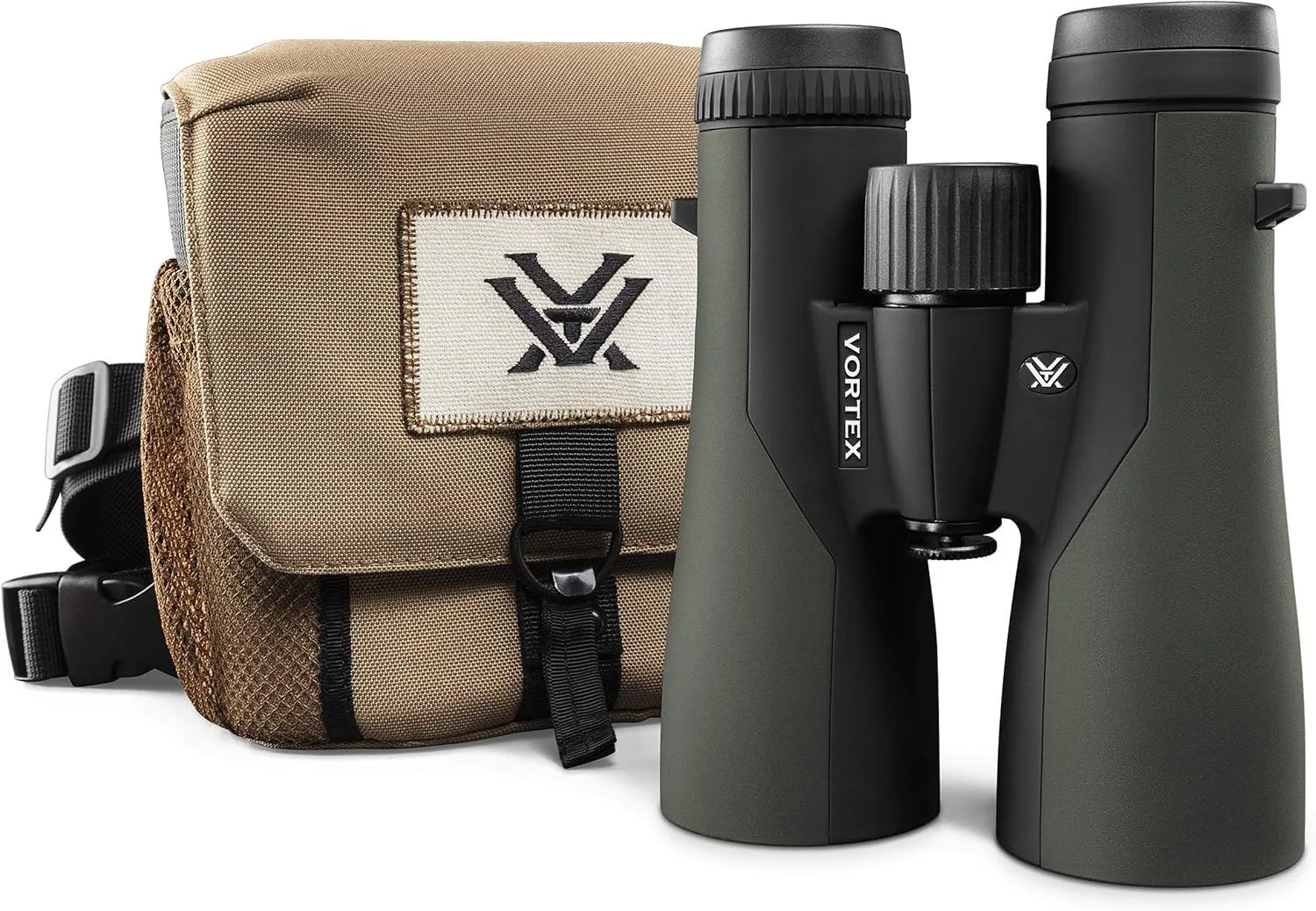
Comets are the one celestial event where binoculars flat-out beat telescopes. A telescope magnifies a tiny patch of sky — great for Saturn's rings, useless for an object that stretches across five or ten degrees of arc with a glowing tail trailing behind it. Binoculars frame the entire comet, tail and all, in a single view. They gather enough light to reveal structure invisible to the naked eye, and they let you scan the horizon quickly when you're searching for a comet you've never seen before.
Here's the thing: most people who missed C/2023 A3 (Tsuchinshan-ATLAS) in late 2024 missed it because they didn't have the right tool ready.
They either tried to find it with a telescope and spent twenty minutes hunting a tiny field of view, or they looked with naked eyes and saw only a faint smudge. The observers who had binoculars — even mid-range 10x42 models — saw the tail, the coma structure, and the color gradient from the nucleus outward. That's not telescope territory. That's binocular territory.
We break down the specific specs that matter for comet observation, which configurations in our catalog work best, and how to prepare before the next bright comet arrives. Our best binoculars roundup covers the full catalog if you're starting from scratch.
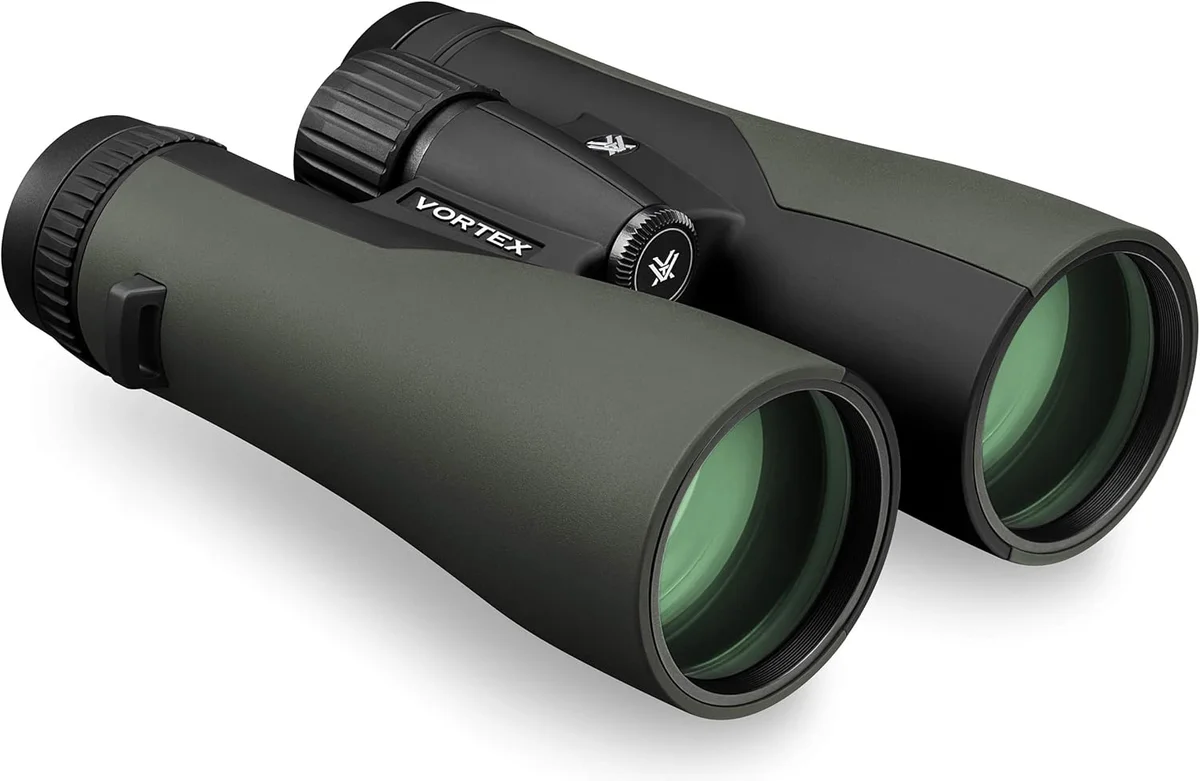
See Our Top Pick: Crossfire HD 12x50
Why Binoculars Outperform Telescopes for Comets
The advantage comes down to field of view, and the gap is enormous. A typical telescope at 50x magnification shows roughly 1 degree of sky. A 10x42 binocular shows 6-7 degrees. A bright comet's tail can span 5-15 degrees — wider than your fist held at arm's length. No telescope frames that in one view. Period.
Telescopes invert and sometimes mirror the image, which disorients casual observers trying to match what they see to the naked-eye sky. Binoculars show the sky right-side-up, left-to-right correct. You look up, see the comet's approximate position, raise the binoculars, and the comet is where you expect it. This sounds trivial until you've spent fifteen minutes panning a finderscope trying to locate something you could see two seconds ago without any optics.
There's a portability argument too. Comets are often best viewed low on the horizon during a narrow window — 30 to 60 minutes after sunset or before sunrise. The best viewing spot might be a hilltop, a beach, or a parking lot with an unobstructed western horizon. Binoculars fit in a jacket pocket or hang around your neck. A telescope requires a car trunk, a tripod, alignment, and setup time that eats into a short viewing window.
Setup time is the hidden killer.
The one scenario where telescopes win is deep-sky comets — faint periodic comets below naked-eye visibility that require 100mm+ aperture and precise tracking to photograph. For those, you need a goto mount and a camera. But those comets don't make the news, and they aren't what drives 40,000 monthly searches for "binoculars for comet viewing."
The Specs That Matter for Comet Observation
Three specifications determine how well a binocular performs on comets. Everything else — coatings, prisms, waterproofing — refines the experience but doesn't define it.
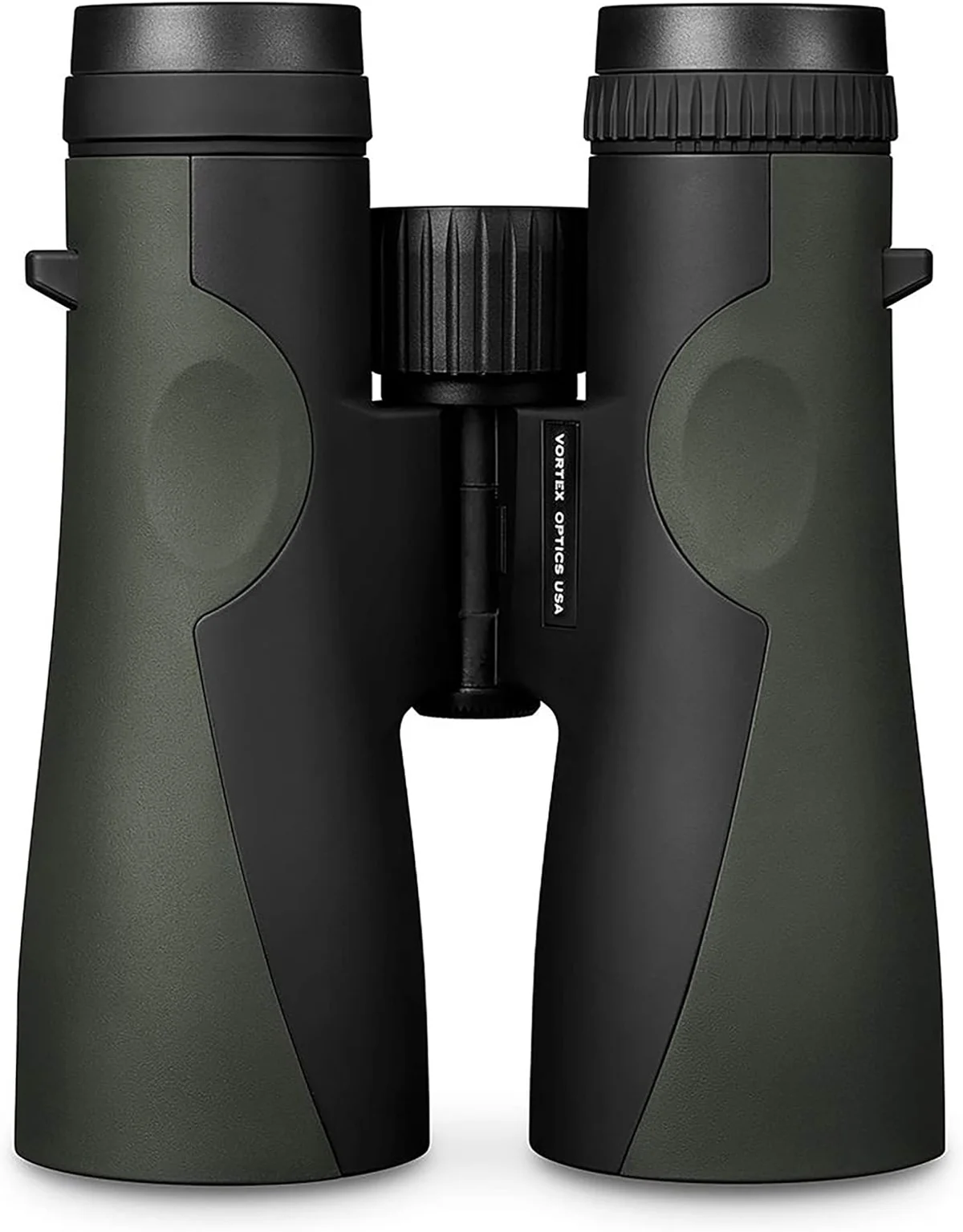
Objective diameter (the bigger, the better). Comets are extended objects — they aren't point sources like stars. Larger objectives collect more photons across the entire field, which means the faint outer tail becomes visible sooner and extends further in your view. A 50mm objective collects 42% more light than a 42mm objective (area scales with the square of the radius). For comet viewing specifically, this matters more than magnification. The Crossfire HD 12x50 with its 50mm objectives is the strongest comet optic in our catalog for this reason.
Exit pupil. Divide objective diameter by magnification. A 10x50 gives a 5.0mm exit pupil. A 12x50 gives 4.17mm. A 7x50 gives 7.14mm — the classic "night glass" configuration used by naval observers for decades. Your dark-adapted pupil dilates to 5-7mm (less as you age — a 50-year-old might max out at 5mm). When the exit pupil matches or exceeds your pupil, the binocular delivers its full brightness potential. For comet viewing at dark sites, a larger exit pupil means a brighter field and more visible tail structure.
Field of view. Measured in degrees or feet at 1,000 yards. Lower magnification gives wider fields. A 7x50 might show 7-8 degrees. A 10x50 shows about 6 degrees. A 12x50 shows roughly 5 degrees. For most comets, 5 degrees is sufficient — the brightest portion of the tail fits within that view. But for exceptional comets with tails spanning 10+ degrees, lower magnification wins because you can take in the full spectacle without panning.
Which Binoculars in Our Catalog Work for Comets
Not every binocular is equally suited. Here's how our catalog stacks up for this specific task, ranked by comet-viewing capability:
Best choice: Crossfire HD 12x50. The 50mm objectives provide the most light-gathering in our lineup. The 12x magnification reveals coma detail near the nucleus that 10x misses. The 4.17mm exit pupil is adequate for dark-sky viewing — not as bright as a 7x50, but the extra magnification compensates by resolving finer structure. At 29.5 oz, it's heavy enough that a tripod adapter is worth using for extended comet sessions. Vortex includes a tripod-adapter thread, and the GlassPak harness makes carrying it to your observation spot painless. The $50–$100 price tier makes it accessible for a "comet season" purchase.
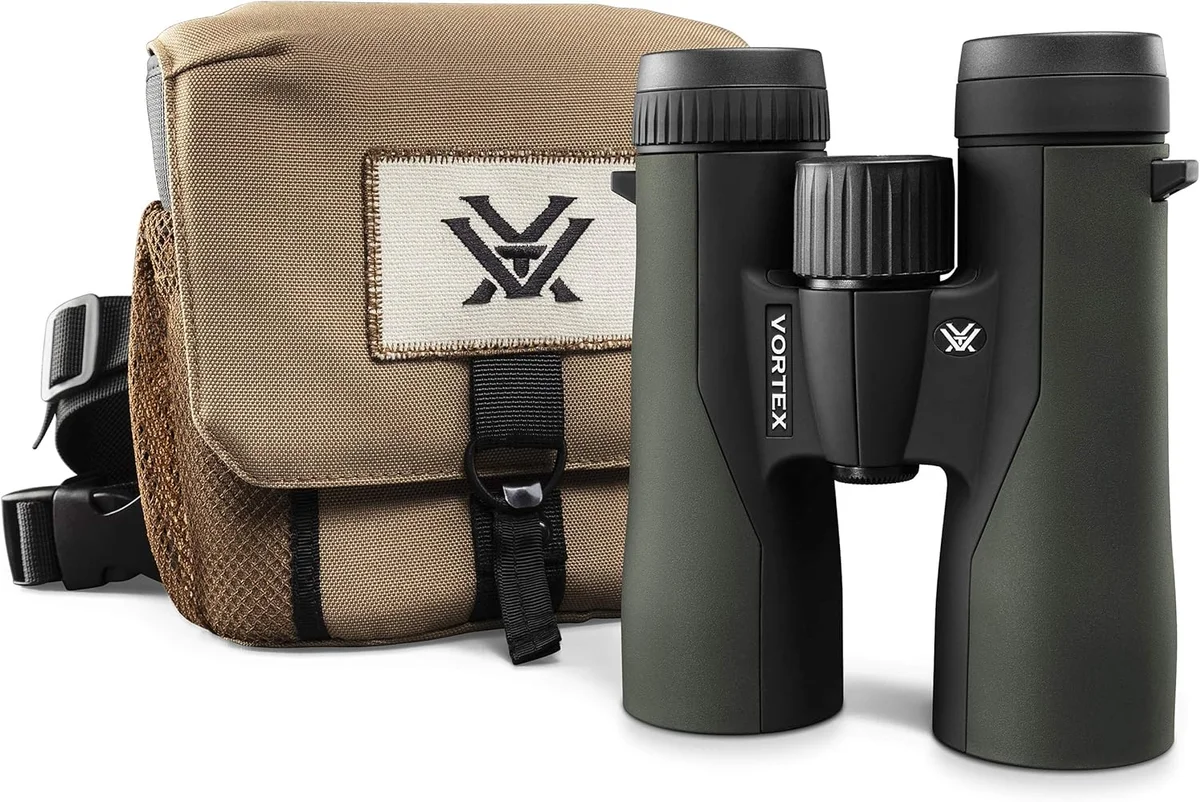
Strong alternative: Crossfire HD 10x42. The 10x42 configuration is the most well-rounded binocular in our catalog, and it handles comets well. The 4.2mm exit pupil is nearly identical to the 12x50. Field of view is wider at 325 ft vs 273 ft, which means more sky in each view. It's 7 oz lighter and easier to hold steady freehand. If you want one binocular for birding, hiking, AND comet nights, the 10x42 is the pragmatic answer. The 12x50 is better for comets specifically; the 10x42 vs 12x50 comparison details every tradeoff.
Budget option: Adasion 12x42 HD binocular. At the budget end of our catalog, the Adasion 12x42 offers 42mm light gathering and 12x magnification. The exit pupil drops to 3.5mm — noticeably dimmer than the Crossfire models in dark conditions. Coating quality and light transmission are lower. But for a once-or-twice-a-year comet event, it gets the job done at a fraction of the price. You'll see the comet. You'll see the tail. The finer coma structure and faint outer tail edges will be less defined than through premium glass.
High-power option: Tinllaans 15x55. On paper, the 55mm objectives and 15x magnification look ideal for astronomy. The reality is more complicated. This is an unverified brand with unknown optical quality — the specs might be accurate, or they might be marketing fiction. If the claims hold, the 55mm objectives and wide field of view make it competitive for comet viewing. But the 3.7mm exit pupil is modest, and the unknown coating quality means real-world light transmission could be poor. A gamble at $34, but a cheap gamble. Tripod-mount it and test on a starfield before comet season.
Compacts like the Occer 12x25 compact and Hontry 10x25 foldable are poor choices for comets. The 25mm objectives collect a fraction of the light that 42mm+ models gather, and the tiny exit pupils (2.08mm and 2.5mm) restrict brightness to the point where faint tail structure disappears entirely. You'll see the bright nucleus and maybe a hint of tail. Save the compacts for concerts.
How to Actually Find a Comet with Binoculars
Look, most comet-viewing guides skip the hard part: finding the thing in the first place.
A comet is not a star. It doesn't appear as a bright point. Through binoculars, a comet looks like a fuzzy smudge with a brighter center — the coma — and a faint extension in one direction — the tail. The tail always points away from the sun, pushed by solar radiation pressure and the solar wind. Before you go outside, you need to know two things: where to look, and when.
Step 1: Get the coordinates. Stellarium (free desktop software) or SkySafari (mobile app) will show you exactly where any known comet sits relative to constellation patterns you can identify. Enter the comet's designation — like C/2023 A3 — and the software plots its position for your location and time. Write down the constellation, the altitude above the horizon, and the compass bearing.
Step 2: Pick your window. Most bright comets are best seen in twilight — either 30-60 minutes after sunset (evening comets) or 30-60 minutes before sunrise (morning comets). Full darkness is better for contrast, but many comets are closest to the sun when brightest, which means they sit low in the twilight sky. C/2023 A3, for example, was best in the first 45 minutes after sunset when it hung 15-20 degrees above the western horizon.
Step 3: Start with naked eyes. Identify the constellation where the comet should be. Look for anything that doesn't belong — a faint fuzzy spot where no star should be. If the comet is above magnitude 4 or so, you'll see it without optical aid from a dark site. If conditions are hazy or the comet is fainter, skip to step 4.
Step 4: Sweep with binoculars. Point the binoculars at the predicted area and sweep slowly in a horizontal zigzag pattern, moving about one field-width per sweep. The wide field of view is your advantage — you're covering 5-7 degrees per look. A telescope at 50x covers 1 degree. You'll find the comet 5-7 times faster with binoculars.
Step 5: Hold steady and observe. Once you've found it, brace your elbows on a fence, car roof, or your knees if sitting. Even 10 seconds of steady viewing reveals detail that a shaky glance misses. If you're using 12x or higher, this is where a tripod adapter transforms the experience — mount the binoculars and spend time studying the coma structure, color gradients, and tail extent.
Tripod Adapters: When Steady Matters
Hand tremor is the enemy of extended astronomical observation. At 10x, the jitter is tolerable for quick looks — a minute or two of comet viewing works freehand if you brace against something solid. At 12x, the shake becomes visible within seconds. At 15x, the image bounces enough to blur fine coma detail.
Every full-size binocular in our catalog accepts a standard tripod adapter that threads onto the center hinge. The adapter screws into any photo tripod with a 1/4"-20 thread — which is every tripod sold in the last 50 years. Total cost for a basic adapter is under $10. Combined with a $25 travel tripod, you have a rock-steady astronomical observation platform for less than the cost of dinner.
The viewing experience changes on a tripod. Details that were invisible freehand — the brightness gradient across the coma, individual knots in the tail, the subtle green or blue tint of ionized gas — snap into visibility when the image stops moving. Tripod-mount any binocular above 10x for comet sessions that last more than five minutes. Below 10x, brace your elbows and you're fine.
Light Pollution and Comet Visibility
Comets aren't all-or-nothing. A bright comet like C/2023 A3 was visible from city centers through binoculars — just not the full tail. Light pollution washes out the faint outer tail but leaves the bright inner coma and first few degrees of tail visible. The question is how much of the comet you want to see.
The Bortle scale runs from 1 (pristine dark sky) to 9 (inner-city). Here's what to expect at each level through a 10x42 or 12x50 binocular viewing a bright comet (magnitude 1-3):
Bortle 1-3 (rural dark sky): Full tail visible, possibly 10+ degrees. Color visible in the coma — greenish from diatomic carbon, bluish ion tail distinct from the white dust tail. Background star field adds context. This is the experience comet photographers chase.
Bortle 4-5 (suburban transition): Tail visible for 3-5 degrees. Coma bright and structured. Faint outer tail fades into the sky glow. Still a striking view through binoculars. Most people live in Bortle 4-5 zones, and a 30-minute drive gets them to Bortle 3.
Bortle 6-7 (suburban): Coma visible, tail shortened to 1-2 degrees. Binoculars make the biggest difference here — naked eye shows a faint smudge, binoculars reveal a clear comet shape with visible tail. This is where the light-gathering advantage of 42mm+ objectives earns its keep.
Bortle 8-9 (urban core): Bright nucleus visible through binoculars. Tail mostly or entirely washed out. You'll know you're looking at a comet, but the spectacle is diminished. Worth trying, but worth driving 30 minutes even more.
Drive the 30 minutes.
I watched C/2023 A3 from a Bortle 4 site through a 12x50 and the tail stretched at least 8 degrees — far longer than any photograph I'd seen online suggested. The camera sensor compressed what the eye could see in real time. That experience alone justified owning binoculars that sit in a drawer 360 days a year.
Preparing for the Next Comet
Bright comets give weeks of warning. Comet C/2023 A3 was discovered in January 2023 and reached peak brightness in October 2024 — nearly two years of lead time. The astronomy community tracks incoming comets continuously, and brightness predictions improve as the comet approaches perihelion. You don't need to react in hours. You need to be ready in weeks.
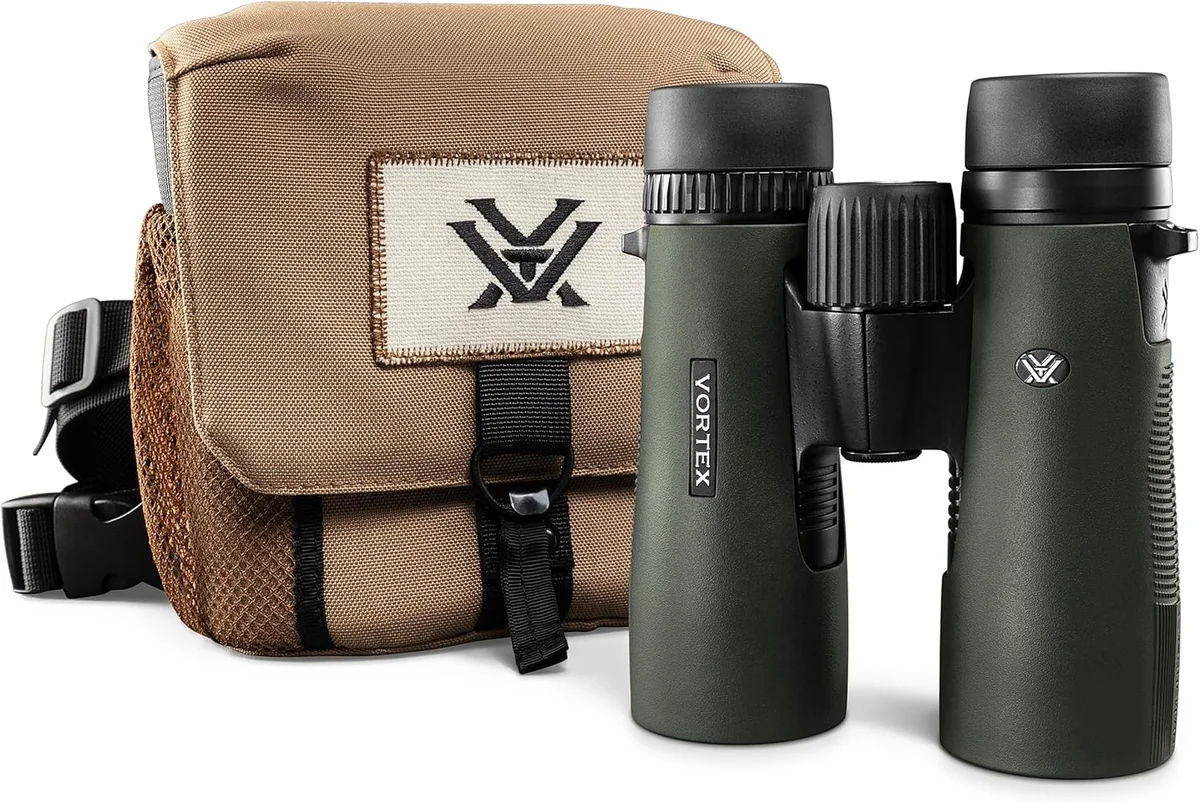
Being ready means three things. First, own a binocular with 42mm+ objectives. The Crossfire HD 12x50 or Crossfire HD 10x42 both work — buy whichever matches your daytime use case so the binocular doesn't sit in a drawer between comets. Second, download Stellarium or SkySafari and learn to plot a comet's position for your location. Ten minutes of practice now saves frustration on the night. Third, scout a viewing location with an unobstructed horizon in the direction the comet will appear. Western horizon for evening comets, eastern for morning ones.
The best binoculars roundup ranks every model we've reviewed by overall value. The 10x42 vs 12x50 comparison maps the tradeoffs between both Crossfire configurations. And the Crossfire vs Diamondback comparison shows what you gain by stepping up in glass quality at the same 10x42 configuration.
Comets are rare enough to be special and predictable enough to prepare for. The window is short — a few weeks of good visibility, sometimes less. Having the right binocular in the closet, charged with a plan and a dark-sky location, is the difference between reading about it the next day and seeing it yourself.
Ready to Watch the Sky
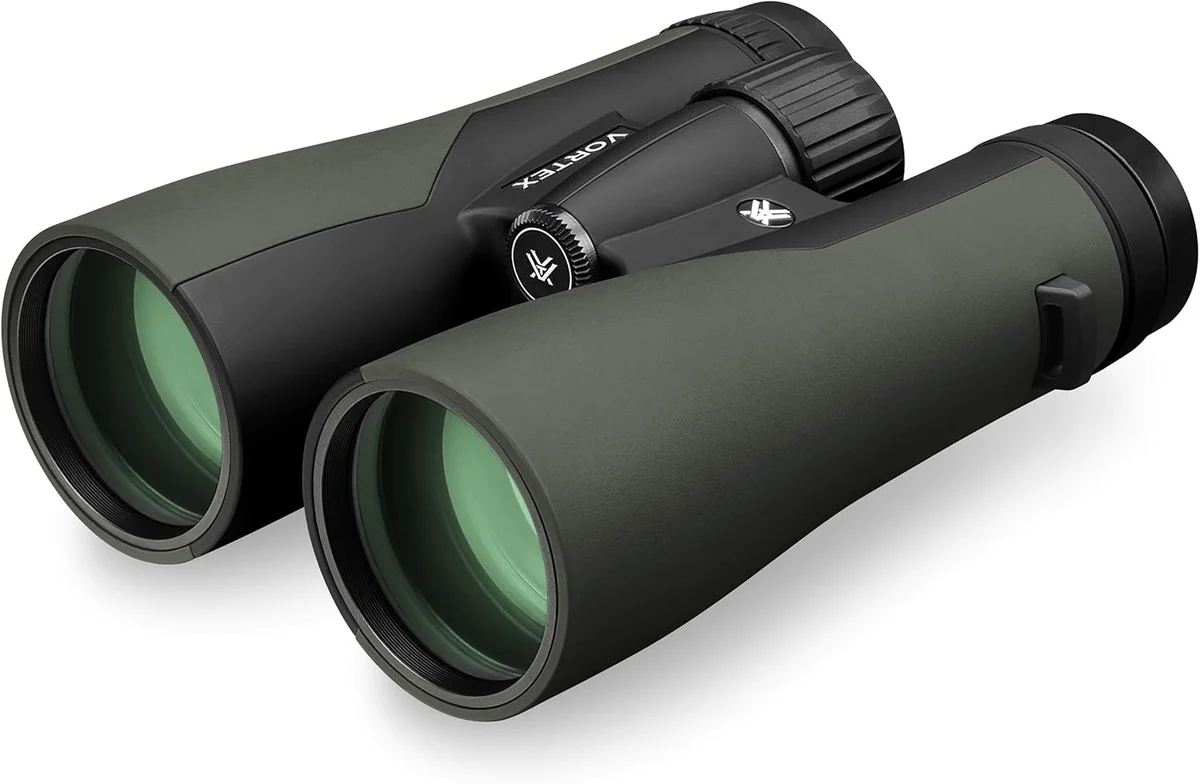
Our best binoculars roundup ranks every model by overall value across all use cases. The Crossfire 10x42 vs 12x50 comparison maps the exact tradeoffs between our two top comet-capable models. And the Crossfire HD 12x50 review covers the full performance breakdown of our top pick for night-sky observation.
Comet Viewing Questions We Hear Most
These are the questions that spike every time a bright comet approaches — answered from our testing experience.
Can you see comets with binoculars?
Yes. Most naked-eye comets are easier to observe through binoculars than through telescopes because binoculars provide a wider field of view that captures the full tail structure. Telescopes magnify a small patch of sky — useful for planetary detail, but counterproductive when you need to see a comet that spans several degrees of arc. Bright comets like C/2023 A3 (Tsuchinshan-ATLAS) were visible in standard 10x42 binoculars for weeks, with the tail clearly resolved against the background star field.
What magnification is best for comet viewing?
7x to 12x covers the practical range. Lower magnification gives a wider field of view for sweeping the sky and framing long tails. Higher magnification reveals more coma detail near the nucleus but narrows the view.
Is a tripod necessary for comet binoculars?
For 10x and below, no — handheld works. At 12x, a tripod or monopod helps during sustained observation sessions. At 15x and above, a tripod is mandatory for useful views because hand tremor blurs fine detail in the coma and nucleus region.
Are 10x42 binoculars good enough for comets?
Absolutely. A 10x42 binocular with a 4.2mm exit pupil gathers enough light to reveal comets that are invisible or barely visible to the naked eye, and the wide field of view frames most comet tails completely. Dedicated astronomers prefer 50mm or larger objectives for deeper sky darkness, but 10x42 is more than adequate for any comet bright enough to make the evening news. The majority of C/2023 A3 photos shared on social media were taken through 10x42 binoculars, not telescopes.
When is the next visible comet?
Comet predictions are uncertain — brightness depends on volatile outgassing rates that are hard to model. Astronomy websites like Heavens-Above and the International Comet Quarterly maintain updated lists of approaching comets with predicted magnitude curves. Subscribe to alerts so you have time to prepare rather than scrambling on the night a comet becomes visible.
Does light pollution ruin comet viewing?
Partially. A bright comet like C/2023 A3 was visible even from suburban backyards through binoculars, but the tail appeared shorter and the contrast was reduced compared to dark-sky observations. Moderate light pollution (Bortle 5-6) dims the outer tail but leaves the bright coma and inner tail visible. Heavy light pollution (Bortle 8-9) washes out everything except the brightest nucleus. Binoculars help in all conditions because they gather more light than your naked eye — but driving 30 minutes away from city glow makes the difference between seeing a smudge and seeing structure.
Our Top Recommendation
Based on our research, the Crossfire HD 12x50 is our top pick — stationary hunters who need extra magnification and are willing to carry the weight.
Get Picks Delivered
One email per week. Honest reviews, no spam.
Only when something changes. Unsubscribe anytime.