Binoculars vs Spotting Scope — When Each Tool Earns Its Place
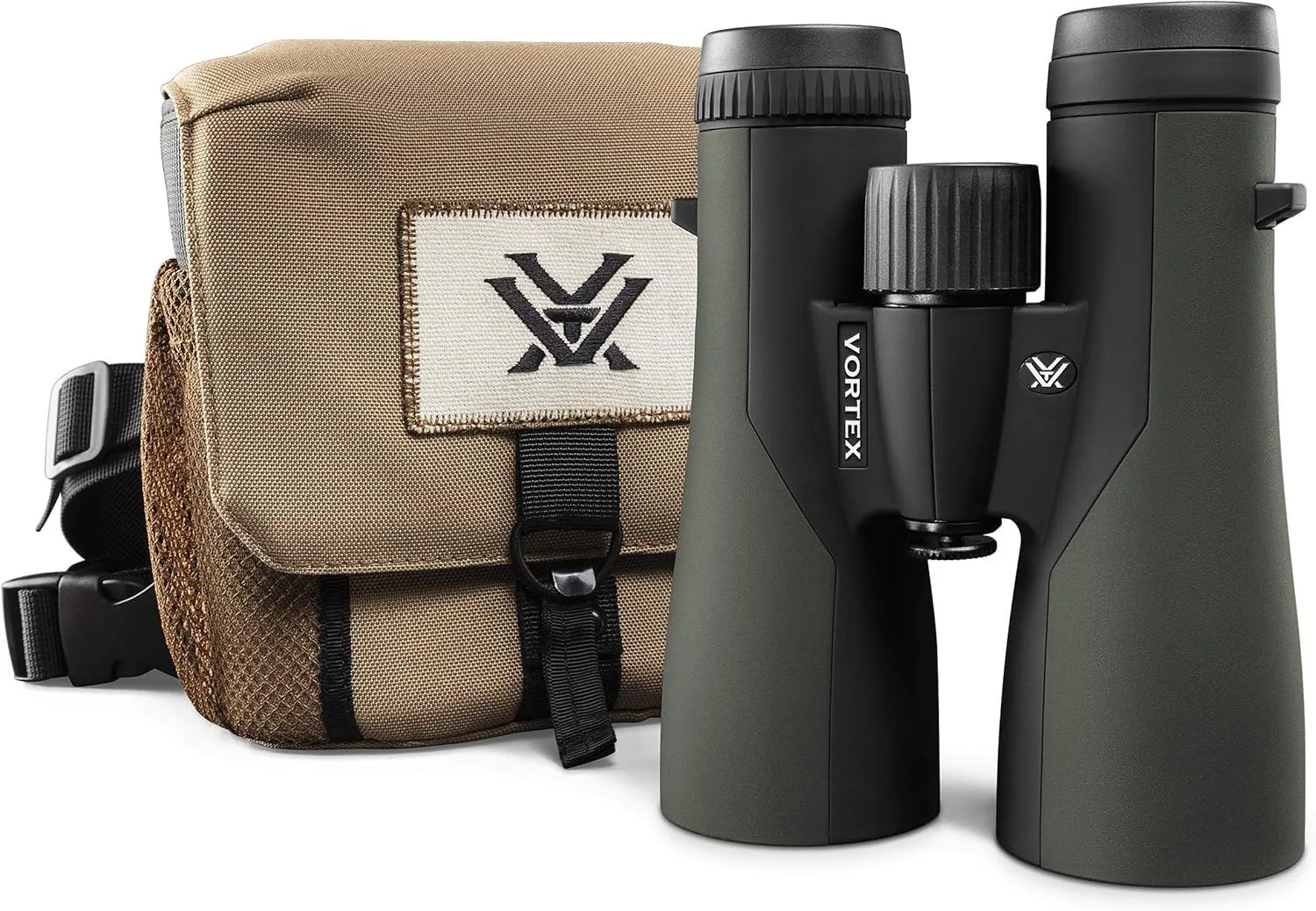
Binoculars and spotting scopes solve the same fundamental problem — seeing distant objects clearly — but they approach it from opposite ends of the portability-magnification spectrum. Binoculars prioritize handheld convenience, two-eye comfort, and speed of acquisition. Spotting scopes prioritize raw magnification, reaching 40-75x where binoculars physically cannot go.
Neither tool replaces the other. The most common mistake is buying one when the activity demands the other.
The question is never "which is better" — it is which tool fits the activity, the terrain, and the way you move through both. We cover binoculars across our entire catalog, from the Occer 12x25 compact to the Crossfire HD 12x50. We do not review spotting scopes. That honesty shapes this page: we will tell you exactly where binoculars stop being the right answer, because knowing that boundary is more useful than pretending it does not exist.
Here is what matters. Portability, magnification range, setup time, and the overlap zone where a 12x50 binocular approaches entry spotting scope territory. We break down each factor with real numbers so you can decide which tool — or both — belongs in your pack.
See Our Top Pick: Crossfire HD 12x50
The Core Tradeoff: Grab-and-Go vs Plant-and-Glass
A binocular is a handheld, two-eye optical instrument designed for rapid acquisition and portable field use at magnifications between 8x and 20x. A spotting scope is a single-eye, tripod-mounted telescope delivering 15-75x magnification for sustained observation from fixed positions — trading portability for raw resolving power at extreme distances.
Look, the decision usually comes down to one question: are you moving or staying put?
Binoculars are a moving tool. You lift them, find a subject in under two seconds, observe, lower them, walk to the next spot. The entire cycle takes five seconds. A Crossfire HD 10x42 hangs around your neck at 24 ounces and deploys instantly. No setup. No tripod. No leveling. This speed advantage compounds over a morning — a trail birder using binoculars might observe 40-60 subjects in three hours. The same birder with a spotting scope, setting up and breaking down at each stop, might manage 15-20.
Spotting scopes are a stationary tool. You plant a tripod, mount the scope, level the head, find the subject through the finder scope, then zoom in. First observation takes 60-90 seconds from a dead start. Subsequent observations from the same position are faster — pan and refocus in 10-15 seconds. The payoff: 40-60x magnification reveals feather barring on a shorebird at 200 yards, bullet holes on a target at 300 yards, or crater rims on a half-moon that binoculars render as a bright smudge.
Neither workflow is wrong. They serve different rhythms.
When Binoculars Are the Smarter Tool
Binoculars win every scenario where you move between observation points, need both hands free between glassing sessions, or value speed over extreme magnification. That covers the majority of outdoor activities:
Trail birding and nature walks. You walk, stop, glass, walk again. The binocular hangs on a harness and deploys in one motion. At 8-10x, you identify songbirds at 30-80 yards, scan tree canopy for movement, and track birds in flight with enough field of view (300-400 ft at 1,000 yards) to follow erratic flight paths. A spotting scope on a trail is dead weight between stops — you cannot pan quickly enough to catch a warbler that lands for three seconds.
Hiking and backpacking. Every ounce competes with food, water, and shelter. A full-size 10x42 binocular at 22-25 ounces earns its weight in panoramic views from ridgelines, wildlife identification at safe distances, and general outdoor awareness. A spotting scope body at 40+ ounces plus a 40-80 ounce tripod adds 5-7.5 pounds to your pack — more than most two-person tents. The math does not work for hikers unless the trip's sole purpose is long-range observation from a specific overlook.
Hunting on the move. Spot-and-stalk hunters, upland bird hunters, and anyone covering ground needs glass that keeps pace. Binoculars let you scan a hillside for elk at 400 yards, then drop them to your chest and move within seconds. Our hunting binoculars guide covers the specific features that matter — waterproofing, dawn/dusk brightness, and weight for all-day carry.
Sporting events and concerts. The Hontry 10x25 foldable compact fits in a pocket and gives you a close-up of the stage from the cheap seats. No one brings a spotting scope to a stadium.
General nature observation. Watching dolphins from a beach, scanning a meadow for deer at sunset, identifying raptors overhead — binoculars handle all of it without thinking about tripod legs in sand or wind gusts shaking a mounted optic.
When a Spotting Scope Earns Its Bulk
Spotting scopes justify their weight and setup time in a narrow set of activities where magnification beyond 15-20x is not optional — it is the entire point:
Digiscoping. Mounting a smartphone adapter to a spotting scope at 40-60x produces photographs of distant wildlife that no handheld optic can match. Bird photographers on a budget use digiscoping to capture identifiable images of shorebirds, raptors, and waterfowl at 100-300 yards. The results are not DSLR quality, but they are leagues beyond what a phone held to a binocular eyepiece produces. Binoculars lack the magnification and stability platform to make digiscoping practical.
Competition and long-range shooting. Spotting bullet impacts at 200-600 yards requires 40-60x magnification. No binocular gets there. Competitive shooters and range officers use spotting scopes on the bench line to call shots without walking downrange after every string. This is non-negotiable — a 12x binocular cannot resolve a .308 bullet hole at 300 yards.
Shorebird and waterfowl ID from fixed positions. Birders working tidal flats, lake edges, or hawk watch platforms often observe birds at 200-400 yards for extended periods. At those distances, a spotting scope at 40-60x reveals field marks — eye rings, leg color, bill shape — that a 10x binocular renders as blurred suggestions. The scope is planted once and stays for hours. Setup time is amortized across dozens of observations.
Astronomy beyond casual stargazing. Spotting scopes with quality glass and 60x+ magnification can resolve Jupiter's moons, Saturn's rings, and lunar craters that binoculars show as points of light. For dedicated sky watching, a scope on a stable mount outperforms even our largest binocular. Our main binoculars roundup covers the largest-objective models in our catalog — useful for astronomy — but even those concede the detail gap for planetary targets.
The Weight and Setup Math
Numbers settle arguments faster than opinions. Here is what each kit actually weighs and how long first deployment takes:
Compact binocular kit (10x25): 8-12 oz total. No accessories needed. Deployment: 2 seconds — pull from pocket, raise to eyes. The Occer 12x25 compact binocular weighs 10.2 ounces and fits in a cargo pocket.
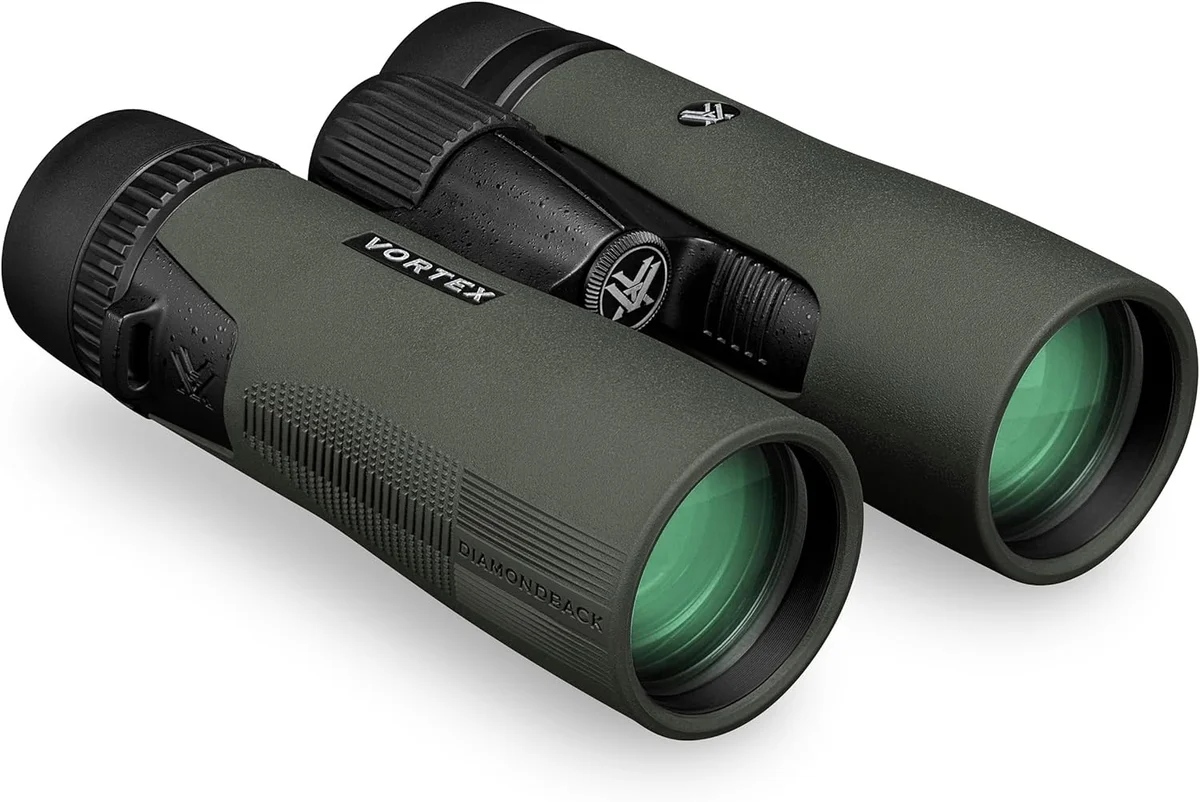
Standard binocular kit (10x42): 22-26 oz total. Harness or neck strap adds 2-4 oz. Deployment: 2-3 seconds — lift from chest, raise to eyes. The Diamondback HD 10x42 at 22.6 ounces is among the lightest in its class.
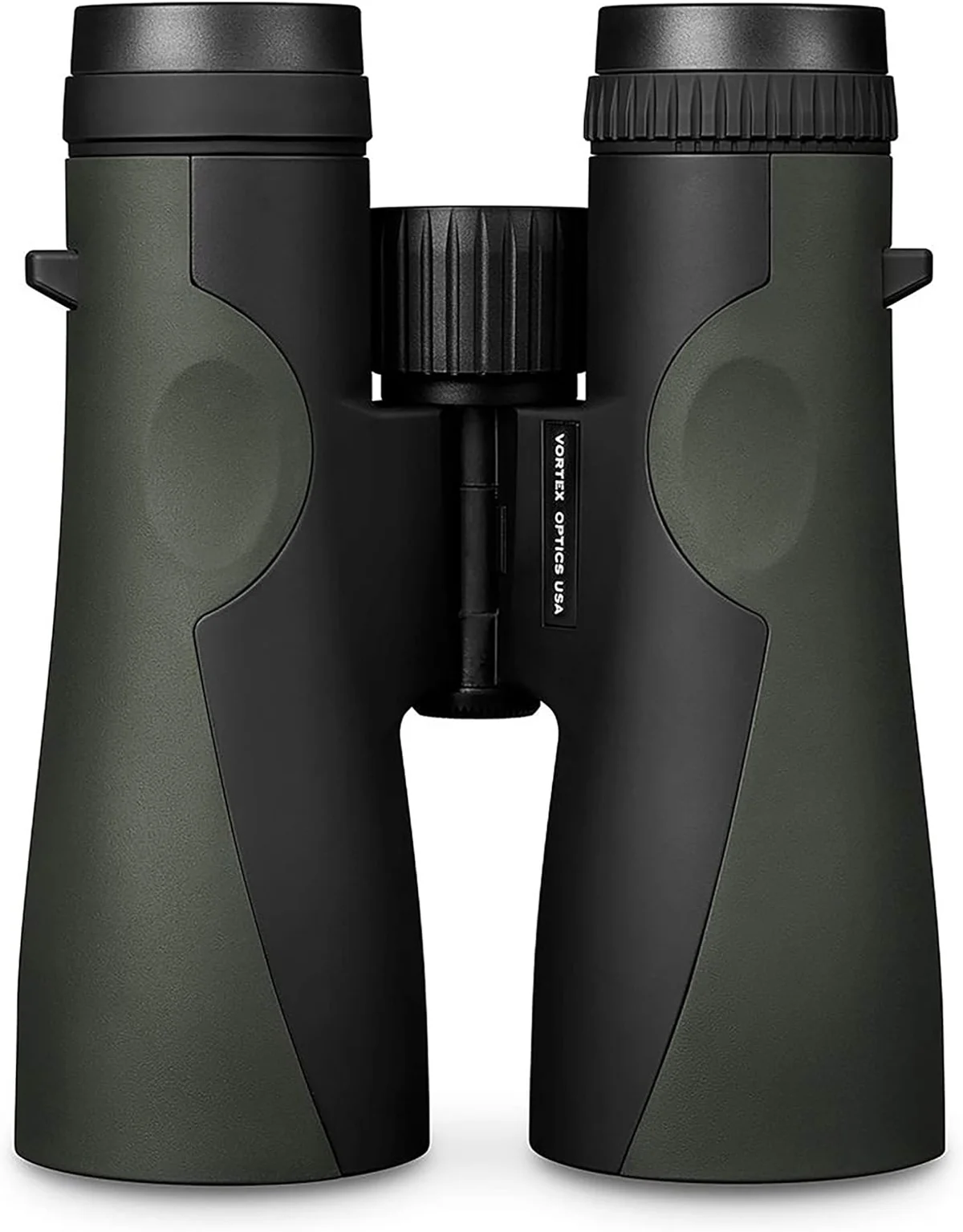
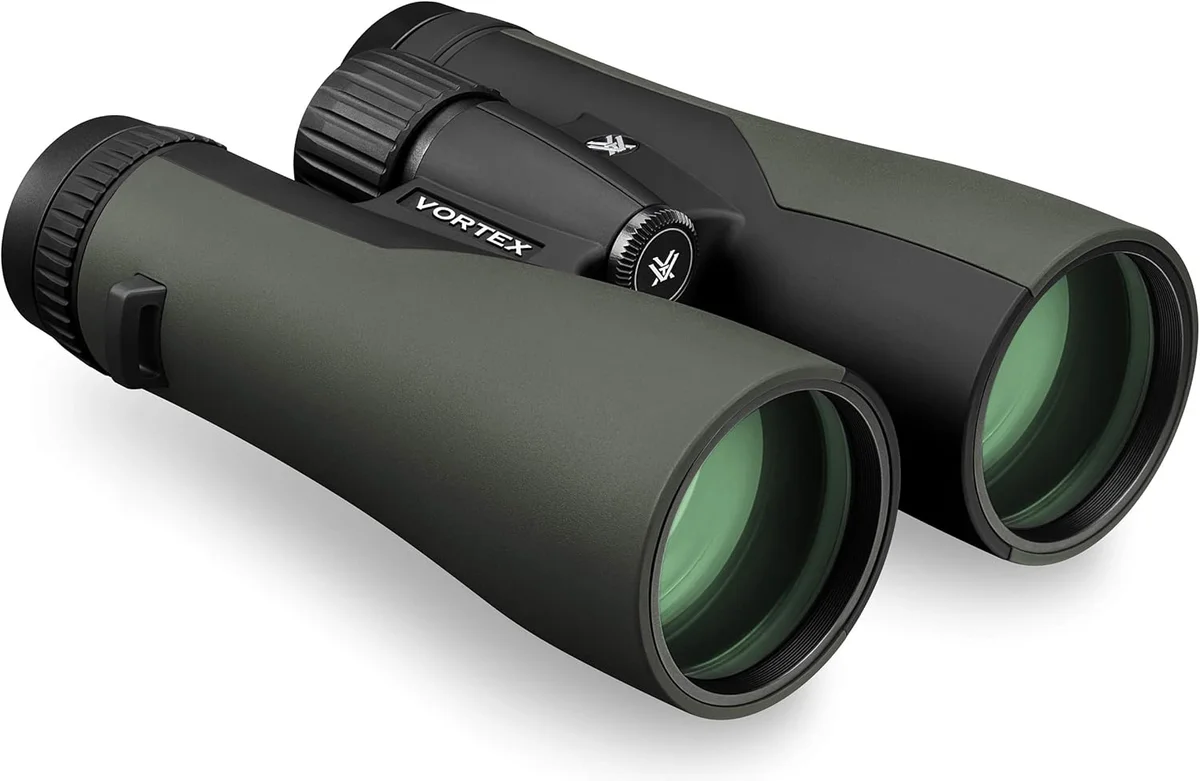
Large binocular kit (12x50): 28-32 oz total. Harness recommended. Deployment: 2-3 seconds handheld, 30 seconds if mounting to a tripod for steady viewing. The Crossfire HD 12x50 at 29.5 ounces represents the upper boundary of what most people carry comfortably.
Entry spotting scope kit (15-45x60): 80-110 oz total (scope body 35-45 oz + tripod 45-65 oz). Deployment: 60-90 seconds — extend tripod legs, level head, mount scope, find subject through finder, focus. Breakdown adds another 45-60 seconds.
Premium spotting scope kit (20-60x80): 100-140 oz total (scope body 45-60 oz + quality tripod 55-80 oz). Deployment: same 60-90 seconds but heavier carry between positions.
The weight gap between a full-size binocular and a spotting scope kit is 3-7 pounds. On a flat trail, that difference is manageable. On a mountain, across a marsh, or over a 12-mile birding route, it is the difference between bringing glass and leaving it in the car. And glass left in the car is glass that does not help you identify the raptor perching on a dead snag at mile eight.
The Overlap Zone: Where 12x50 Binoculars Approach Entry Scopes
Here is where the categories blur. The line between high-magnification binoculars and entry-level spotting scopes has thinned considerably as optical engineering has improved at every price tier.
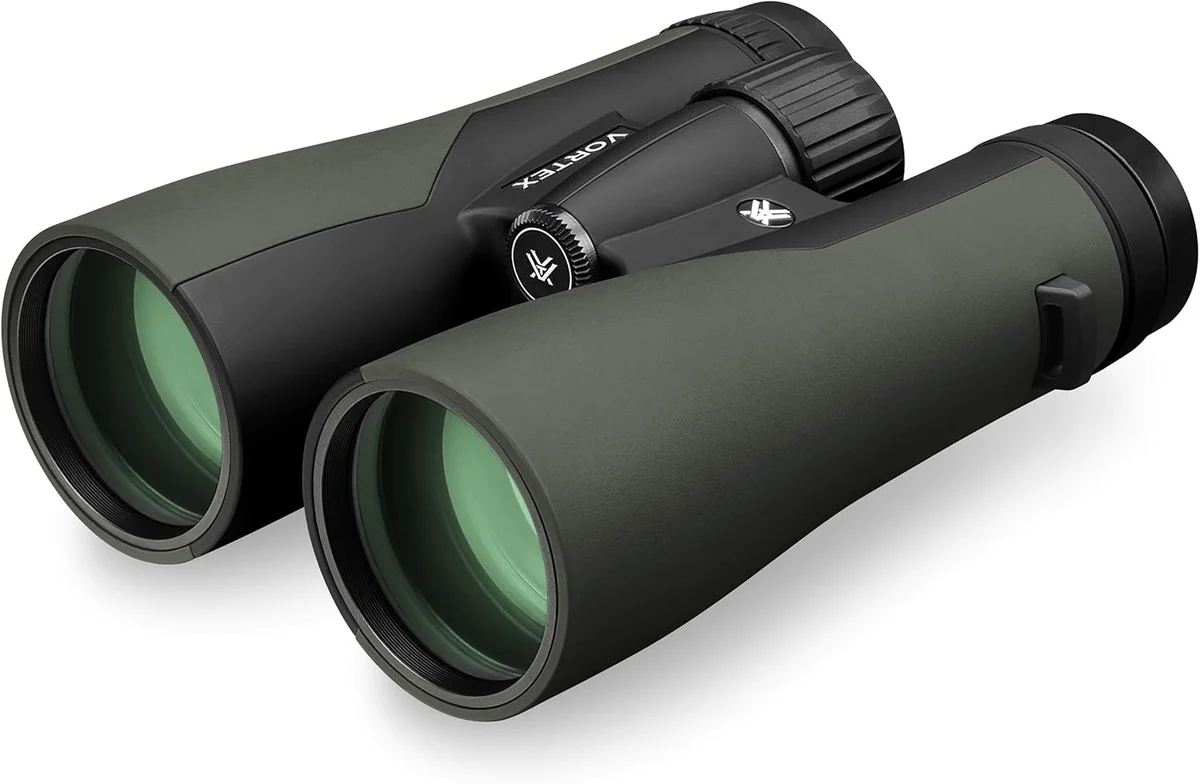
A 12x50 binocular like the Crossfire HD 12x50 sits in a middle ground that did not exist twenty years ago. At 12x, it delivers 20% more magnification than a standard 10x42. The 50mm objectives gather 42% more light by area than 42mm lenses. It still works handheld for short sessions, though hand shake is more apparent than at 10x.
An entry-level spotting scope at 15-45x starts where the 12x50 leaves off — but only reaches its advantage above 20x. At the low end of a 15-45x zoom scope set to 15x, the magnification gap over a 12x binocular is only 25%. You gain single-eye viewing (one eye fatigues faster than two), you lose portability entirely, and you add 3-5 pounds to your kit. The spotting scope only pulls away once you zoom past 20x into territory no binocular can reach.
This overlap means a 12x50 binocular can defer the spotting scope purchase for many users. Hunters glassing ridgelines from a treestand or truck, birders scanning a lake from a bench, and backyard astronomers sweeping the Milky Way all get solid performance from a 12x50 without the scope's setup penalty.
The biggest difference between a 12x50 binocular and an entry spotting scope is not magnification at the low end — it is the ceiling. A 12x50 maxes out at 12x. A 15-45x scope can reach 45x when conditions allow. That ceiling matters for identification-critical tasks: distinguishing a Lesser from a Greater Yellowlegs at 300 yards, reading mirage off a steel target to estimate wind, or resolving the Cassini Division in Saturn's rings. If those tasks define your use case, the scope is mandatory. If they do not, the 12x50 covers more ground with less hassle.
Cost is another factor in the overlap zone. A quality 12x50 binocular runs $150-300. An entry spotting scope with acceptable glass starts around $200-400 — but you also need a tripod rated for the scope's weight, which adds $100-200 for anything stable enough to matter. The true entry cost for a scope kit is $300-600, roughly double what a 12x50 binocular kit costs. For occasional use, the binocular's cost efficiency is hard to argue against.
The 10x42 vs 12x50 comparison breaks down exactly where the extra magnification helps and where the added weight cancels the benefit.
What About 20x Binoculars?
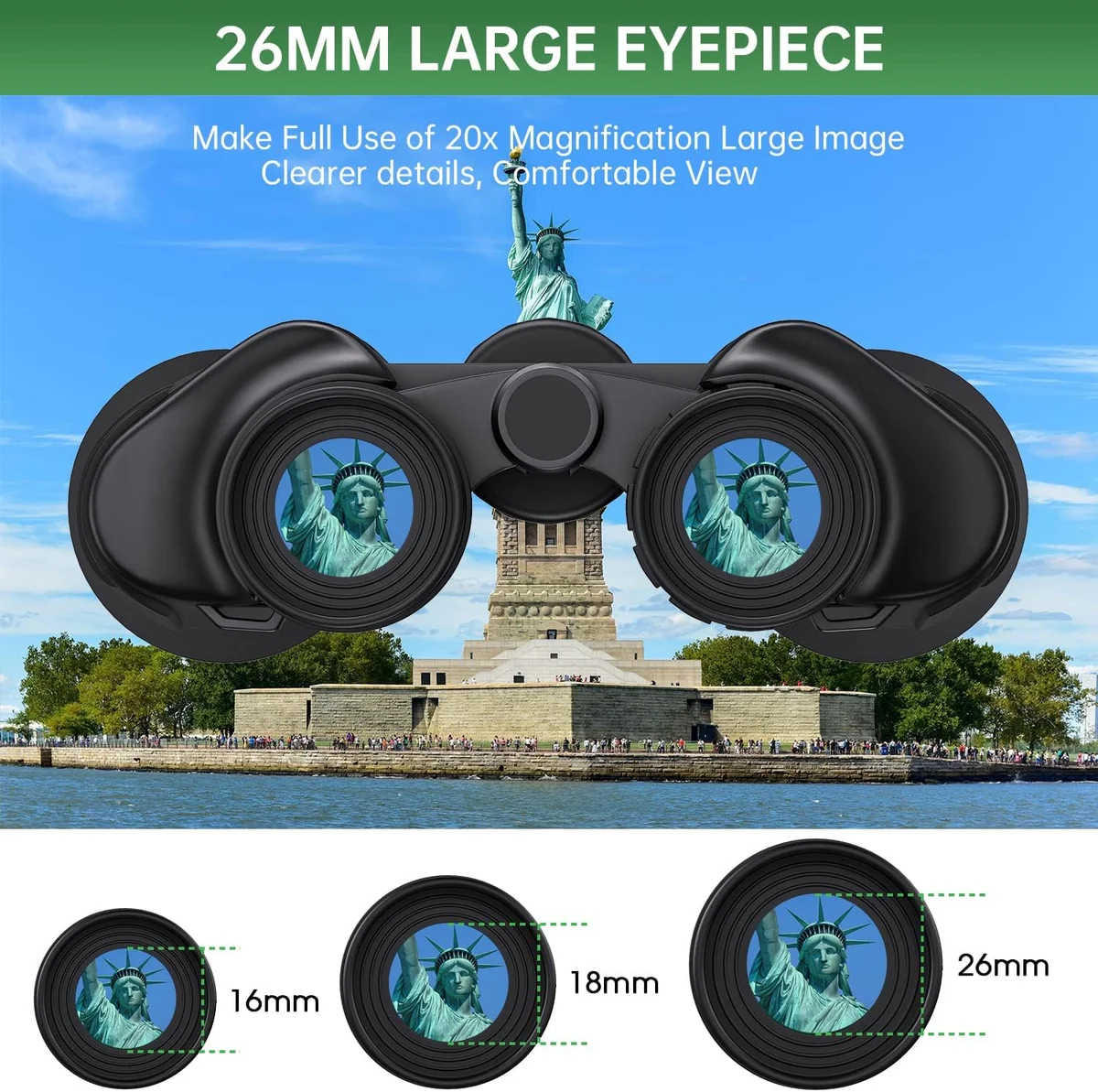
They exist. The Adasion 20x50 high-power model in our catalog claims 20x magnification at a budget price. On paper, 20x closes the gap to entry spotting scopes even further.
In practice, 20x handheld is a different experience than 10x or 12x handheld. Every micro-tremor in your hands is amplified 20 times. The image shakes so aggressively that fine detail — the reason you wanted 20x — blurs into mush. Field of view narrows to roughly 195 ft at 1,000 yards, making it hard to find subjects in the first place. The exit pupil drops to 2.5mm, dimming the image noticeably in anything less than direct sunlight.
A 20x binocular on a tripod resolves these problems. But at that point, you have committed to the same tripod-dependent workflow as a spotting scope — while getting 20x instead of 40-60x. The scope still wins the magnification race by a wide margin once both tools sit on the same tripod.
The math does not favor 20x binoculars.
Too shaky for handheld use, and not enough magnification to justify tripod weight when a scope does the same job at 3x the power. They occupy an uncomfortable middle that serves neither the grab-and-go user nor the serious long-range observer.
Our Honest Position: We Cover Binoculars, Not Scopes
We review and recommend binoculars across our entire catalog — from the Hontry 10x25 compact to the Crossfire HD 12x50. We do not review spotting scopes because they are a different category of optic with different evaluation criteria, different price tiers, and a different user base.
That means our recommendations are biased toward scenarios where binoculars are the right tool. And they are the right tool more often than the spotting scope community might admit — most outdoor observation happens within 200 yards, most birding happens within 100 yards, and most people who buy spotting scopes leave them in the closet after the novelty of setup-teardown wears thin.
That honesty cuts both directions.
When you need 40x magnification, no binocular gets you there. We recommend being honest with yourself about how often you actually need magnification above 12x before investing in a scope — most buyers overestimate this frequency. The $300-600 scope kit collecting dust in a closet is one of the most common optics purchases people regret. If your primary activity is digiscoping, competitive shooting, or shorebird ID at 300+ yards, start with a spotting scope and add binoculars as your scanning tool.
One pattern we see repeatedly in our review data: buyers who start with a spotting scope and rarely use it end up buying binoculars later anyway. The reverse path — starting with binoculars and adding a scope when the need proves real — wastes less money and builds better observation habits. Binoculars teach you to scan, track, and identify. Those skills transfer directly when you eventually plant a scope on a tripod.
For everyone else — hikers, trail birders, hunters, concert-goers, backpackers, casual nature watchers — binoculars are the smarter first purchase. The best binoculars roundup ranks every model we cover by value and performance, and the Crossfire vs Diamondback comparison shows how two 10x42 models differ at different price tiers.
Now That You Know Where Binoculars Stop and Scopes Begin
If binoculars are the right tool for your activity — and for most outdoor use, they are — the next step is choosing the right configuration. Start with the best binoculars roundup, which ranks every model we have tested by performance and value. If you want the highest magnification binocular in our catalog without committing to a scope, the Crossfire 10x42 vs 12x50 comparison shows exactly what the extra 2x and 8mm of glass buy you.
For hunters specifically, our hunting binoculars guide covers the features that matter in the field — waterproofing verification, dawn-to-dusk brightness, and weight for all-day carry. And if glasses are part of your setup, the eye relief guide for glasses wearers explains the minimum clearance you need before any optical purchase makes sense.
Scopes, Binoculars, and the Space Between
The questions searchers ask most often when deciding between handheld optics and mounted scopes.
Can binoculars replace a spotting scope?
For most casual outdoor use — birding, hiking, hunting, sporting events — binoculars are the better tool and no spotting scope is needed. Where binoculars fall short is sustained observation beyond 300-400 yards, target identification at competition shooting distances, and digiscoping where a phone adapter on a spotting scope produces usable photos through 60x magnification. If your primary activity keeps subjects within 200 yards, binoculars handle it with less weight, faster acquisition, and both-eye comfort that no scope matches.
What magnification do spotting scopes offer compared to binoculars?
Entry-level spotting scopes start around 15-45x zoom. Mid-range models reach 20-60x. Premium scopes hit 25-75x or higher. Binoculars top out at 20x for handheld use, and most general-purpose models sit between 8x and 12x. The gap is enormous — a 60x spotting scope resolves detail that a 12x binocular physically cannot, but that power requires a tripod, calm air conditions, and patience.
How much does a spotting scope weigh compared to binoculars?
A spotting scope body weighs 35-60 oz depending on objective size. Add a tripod at 40-80 oz and you carry 75-140 oz total — roughly 5-9 pounds. A full-size 10x42 binocular weighs 21-25 oz total, no tripod needed. That 3-7 pound difference is the core tradeoff.
Are spotting scopes better for birding than binoculars?
Spotting scopes are better for stationary birding from a fixed blind, hawk watch platform, or shoreline where birds are distant and you have time to set up. Binoculars are better for trail birding, forest birding, and any situation where you walk between sightings. Most serious birders own both and choose based on the day — scope for the shorebird survey, binoculars for the morning warbler walk.
Do high-magnification binoculars need a tripod?
At 12x, a tripod helps but is not mandatory — steady hands and bracing against a post or vehicle work for short observations. At 15x, a tripod is strongly recommended. At 20x, a tripod is required for any useful viewing. The practical handheld ceiling is 10-12x for most adults.
Where do 12x50 binoculars fit between standard binoculars and spotting scopes?
A 12x50 binocular sits in the overlap zone. It delivers 20% more magnification than a standard 10x42, gathers more light with larger objectives, and still works handheld for short sessions — though hand shake is noticeable. It will not match a 40x spotting scope for detail at distance, but it requires no tripod for casual use and weighs half as much as a scope-and-tripod kit. For hunters glassing ridgelines or birders scanning a lake from shore, 12x50 bridges the gap without the setup penalty.
Our Top Recommendation
Based on our research, the Crossfire HD 12x50 is our top pick — stationary hunters who need extra magnification and are willing to carry the weight.
Get Picks Delivered
One email per week. Honest reviews, no spam.
Only when something changes. Unsubscribe anytime.