How Binocular Coatings Work
Every lens surface inside a binocular reflects a portion of the light that hits it — roughly 4-5% per surface on uncoated glass. A typical roof-prism binocular has 10-16 air-to-glass surfaces between the objective lens and your eye. Without intervention, those small per-surface losses compound into a massive total loss: an uncoated 12-surface optical path delivers barely 50% of the light that entered. Anti-reflective coatings exist to solve this problem, and the tier of coating applied is one of the single largest factors separating a dim, washed-out image from a bright, contrasty one.
Most buyers skip right past the coating spec. That is a mistake.
Coatings affect perceived brightness and contrast more than prism glass type, more than objective lens diameter in many conditions, and more than brand prestige. The biggest difference between a dim binocular and a bright one at the same price is almost always the coating tier. A well-coated budget binocular routinely outperforms a poorly-coated premium one. The four-tier naming system is confusing by design — and manufacturers exploit that confusion to sell inferior glass at premium prices.
We break down exactly what each tier means, the physics behind it, and which products in our catalog fall where. The best binoculars roundup factors coating quality into every ranking alongside magnification, weight, and price.
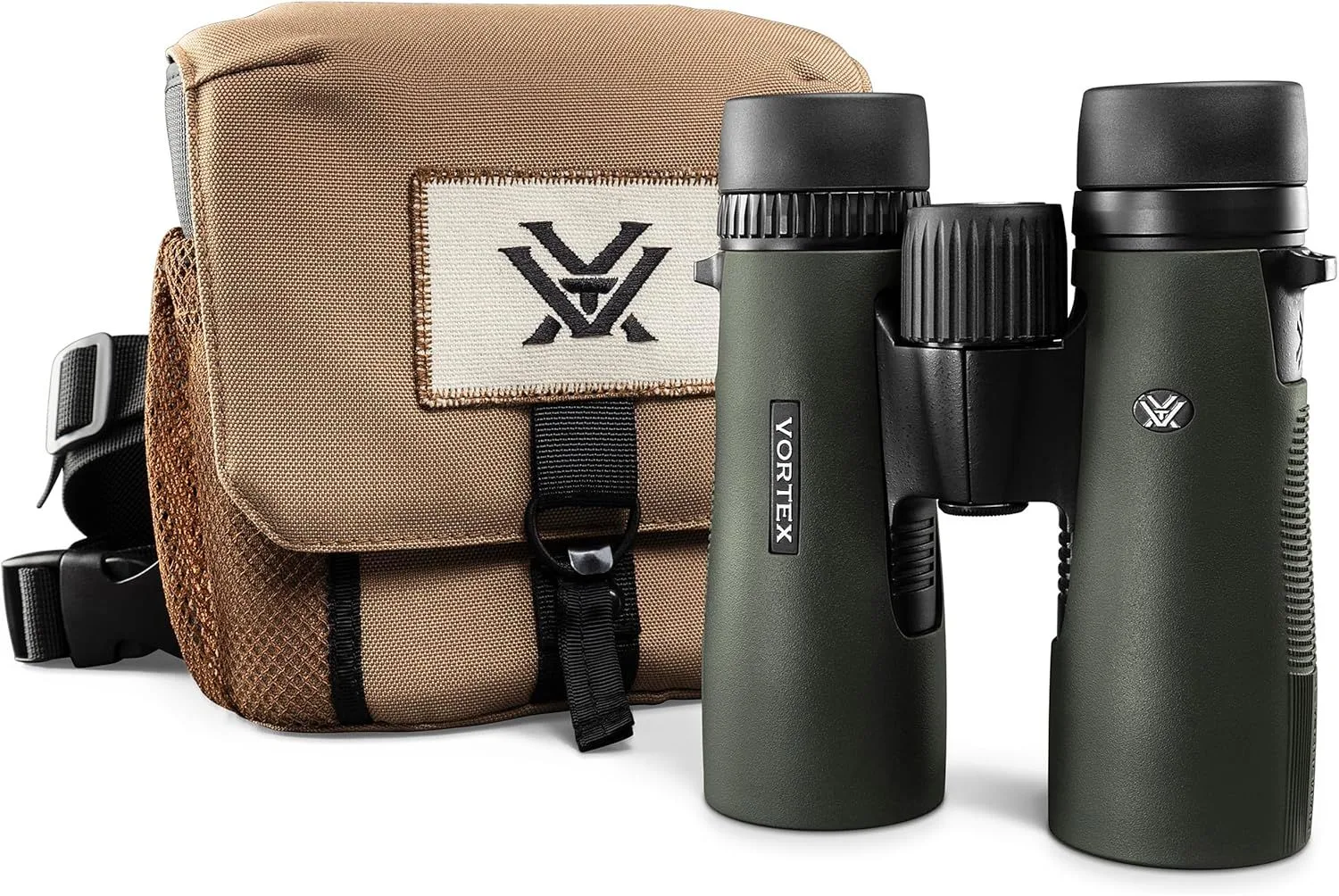
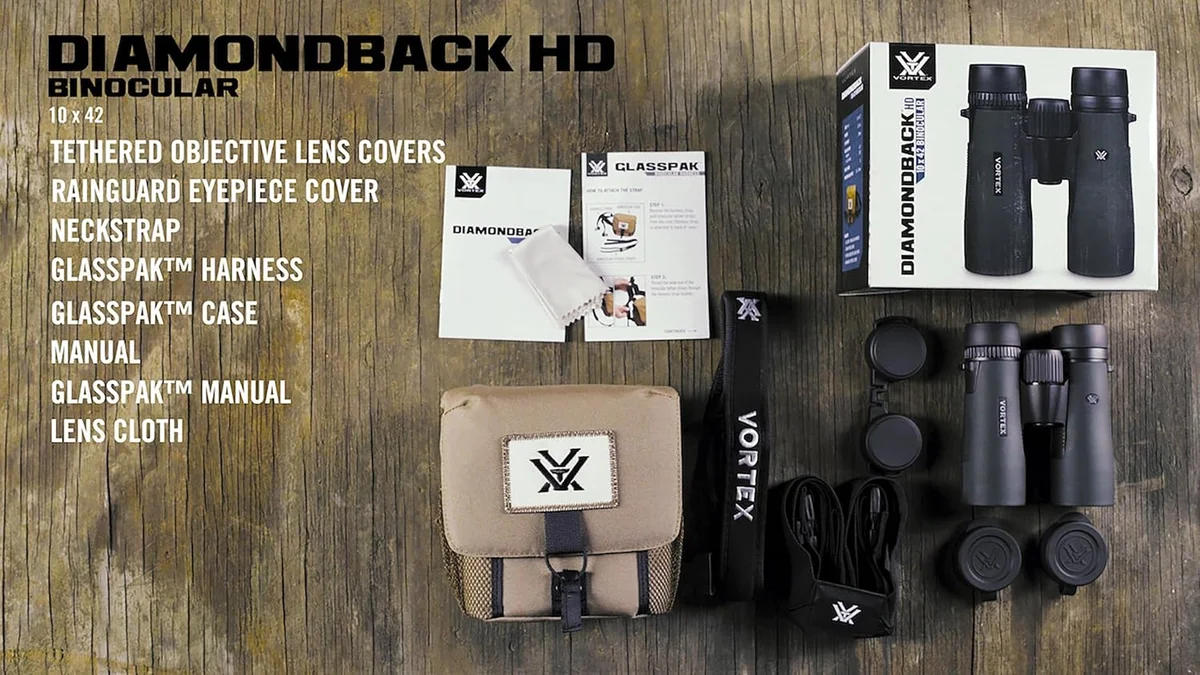
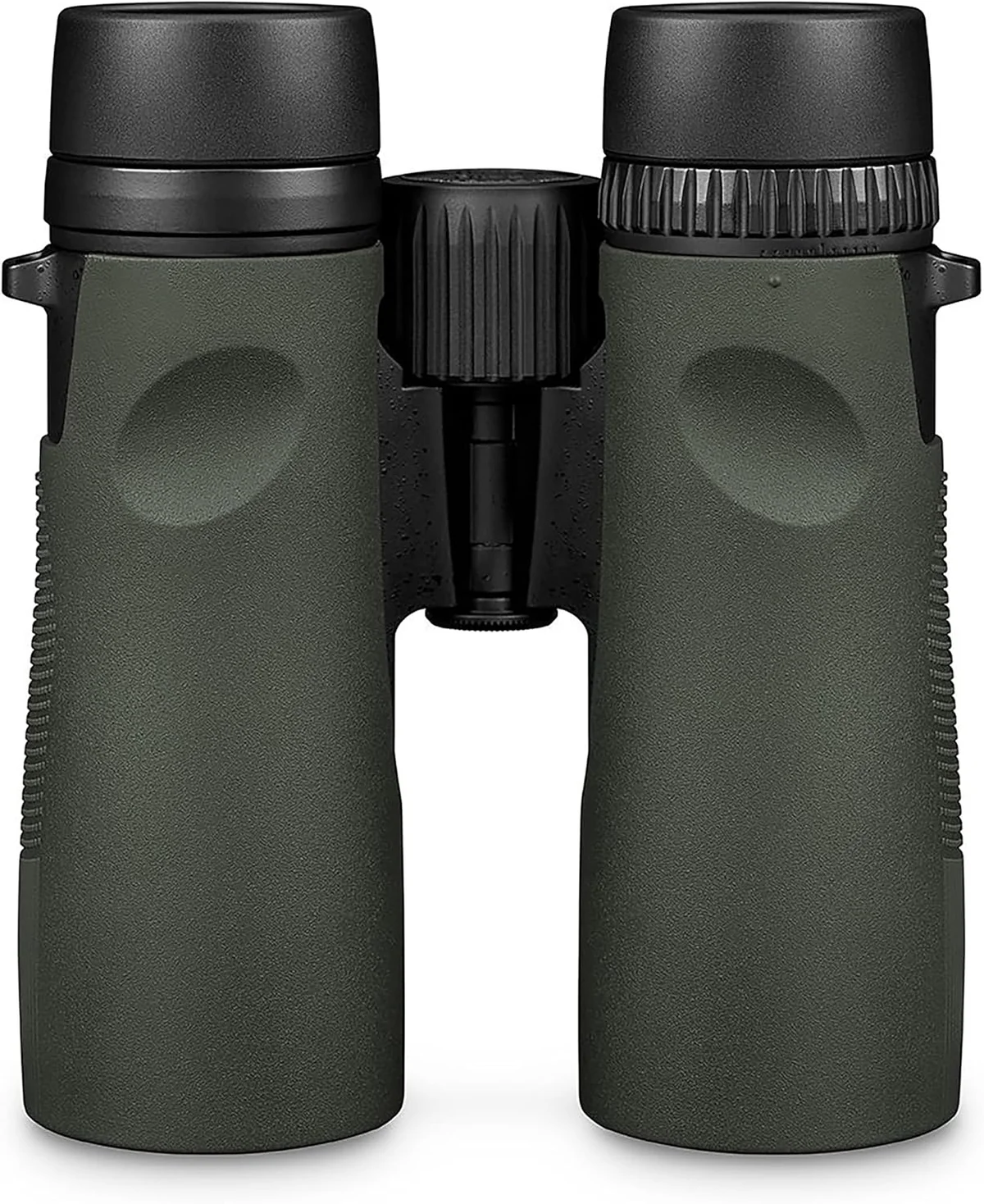
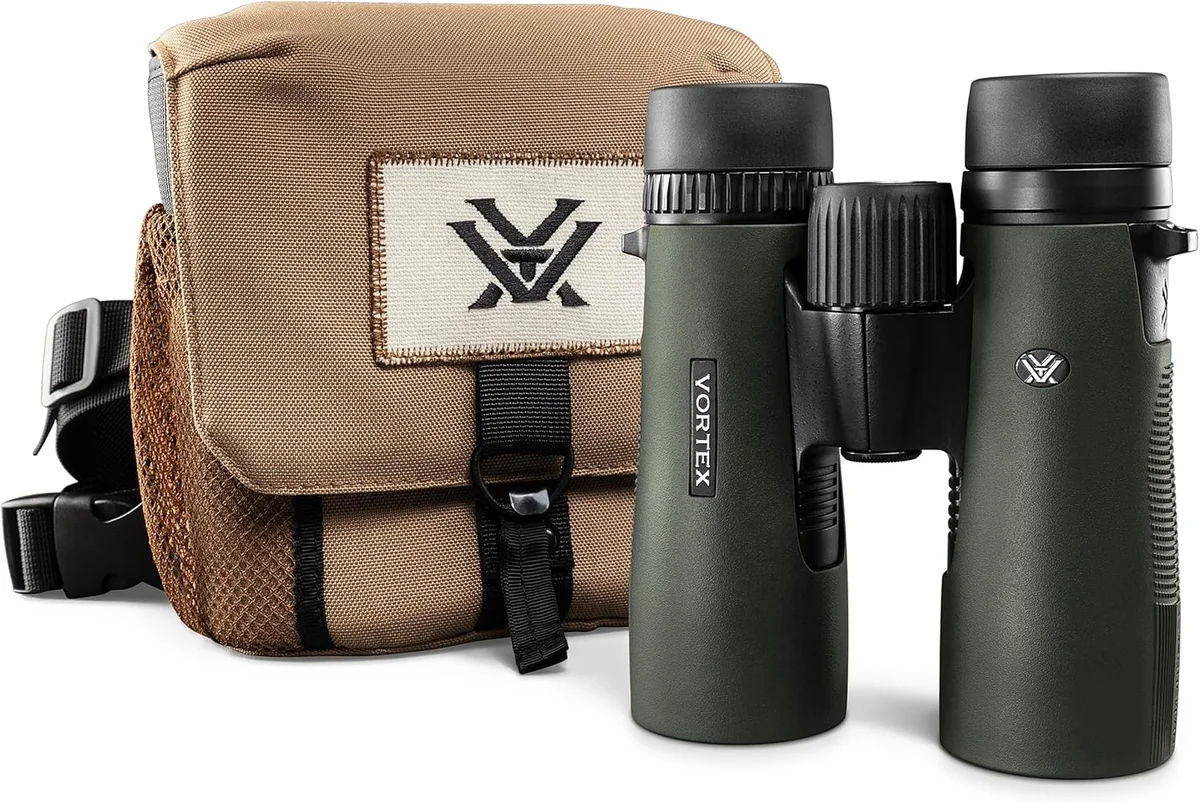
See Our Top Pick: Diamondback HD 10x42
What Anti-Reflective Coatings Actually Do
Anti-reflective coatings are thin layers of material applied to glass surfaces that reduce the amount of light reflected at each air-to-glass boundary inside the optical path, allowing more photons to pass through to your eye instead of bouncing back uselessly toward the light source.
The physics is thin-film interference. A coating layer with a specific thickness — typically a quarter-wavelength of visible light, around 100-150 nanometers — creates a secondary reflection that destructively interferes with the primary reflection from the glass surface. The two reflected waves cancel each other out. The light that would have been lost as reflection instead passes through the lens.
A single coating layer can reduce per-surface reflection from 4-5% down to about 1.5%. Multiple layers of different materials, each tuned to a different wavelength band, can push per-surface reflection below 0.5% across the entire visible spectrum. The difference sounds small on a single surface. Across 12-16 surfaces in a binocular optical path, the cumulative effect is the difference between a bright image and a dim one.
Here's the thing: manufacturers figured out decades ago that most buyers don't count surfaces. So the industry developed a four-tier naming system that sounds more informative than it is. The terms "Coated," "Multi-Coated," "Fully Coated," and "Fully Multi-Coated" each describe a specific combination of which surfaces are treated and how many layers each surface receives. Getting these four tiers straight is the single most useful thing you can learn about binocular specs after magnification and objective diameter.
The Four Coating Tiers — From Worst to Best
The industry hierarchy uses four standardized terms. Each term tells you two things: which surfaces received coating (some vs all) and how many layers were applied to each treated surface (one vs multiple). The naming is precise but counterintuitive — "Fully Coated" is actually worse than "Multi-Coated" in most real-world scenarios. Here is every tier, what it delivers, and what it costs you.
Tier 1: Coated (C). A single anti-reflective layer on at least one air-to-glass surface — typically the external surfaces of the objective and eyepiece lenses only. Interior surfaces remain uncoated. Per-surface reflection on the coated surfaces drops from ~4.5% to ~1.5%, but the untreated interior surfaces still lose 4-5% each. Total light transmission: roughly 60-70% on a 12-surface system. You will find this tier on the cheapest binoculars — those under $25 at discount retailers. The image looks dim even in sunlight and washes out entirely at dawn or dusk. Avoid for any use where image brightness matters.
Tier 2: Fully Coated (FC). A single anti-reflective layer on ALL air-to-glass surfaces throughout the optical path. Every surface gets the treatment, but each surface receives only one layer. Total light transmission: roughly 75-80%. This is a substantial improvement over Coated because no surface goes untreated, but the single-layer limitation means each coated surface still reflects about 1.5% — higher than what multi-layer coatings achieve. Found on binoculars in the $30-60 range. Usable in daylight. Acceptable for casual observation.
Tier 3: Multi-Coated (MC). Multiple anti-reflective layers on at least one surface, with remaining surfaces receiving at least a single-layer coating. The terminology is deliberately ambiguous — it does not specify which surfaces get the premium multi-layer treatment or how many. This is where manufacturer marketing becomes most misleading. A binocular labeled "Multi-Coated" might have multi-layer coatings on all external surfaces and single-layer on internal surfaces, or it might have multi-layer on only the objective lens. Total light transmission: roughly 80-88%, depending on which surfaces got the multi-layer treatment. Common on binoculars in the $40-100 range.
Tier 4: Fully Multi-Coated (FMC). Multiple anti-reflective layers on ALL air-to-glass surfaces throughout the entire optical path. Every surface — external lenses, internal lens elements, prism faces — receives the full multi-layer broadband treatment. Per-surface reflection drops below 0.5%. Total light transmission: 90-95% on the complete system. This is the only tier worth considering for dawn, dusk, or overcast conditions. Every binocular in our catalog — from the Vortex Triumph HD 10x42 to the Vortex Diamondback HD — carries this designation because we filtered out anything below FMC during our selection process.
Why "Fully Multi-Coated" Is Not the Whole Story
The label tells you the minimum. It does not tell you the ceiling.
The FMC designation tells you every surface has multiple coating layers, but it says nothing about how many layers, what materials were used, or how precisely the thicknesses were controlled. A budget FMC binocular might apply 3 layers of magnesium fluoride per surface. A premium FMC binocular might apply 7 layers of alternating magnesium fluoride, silicon dioxide, and titanium dioxide — each deposited at a specific thickness tuned to a specific wavelength band for broadband anti-reflection across the full visible spectrum.
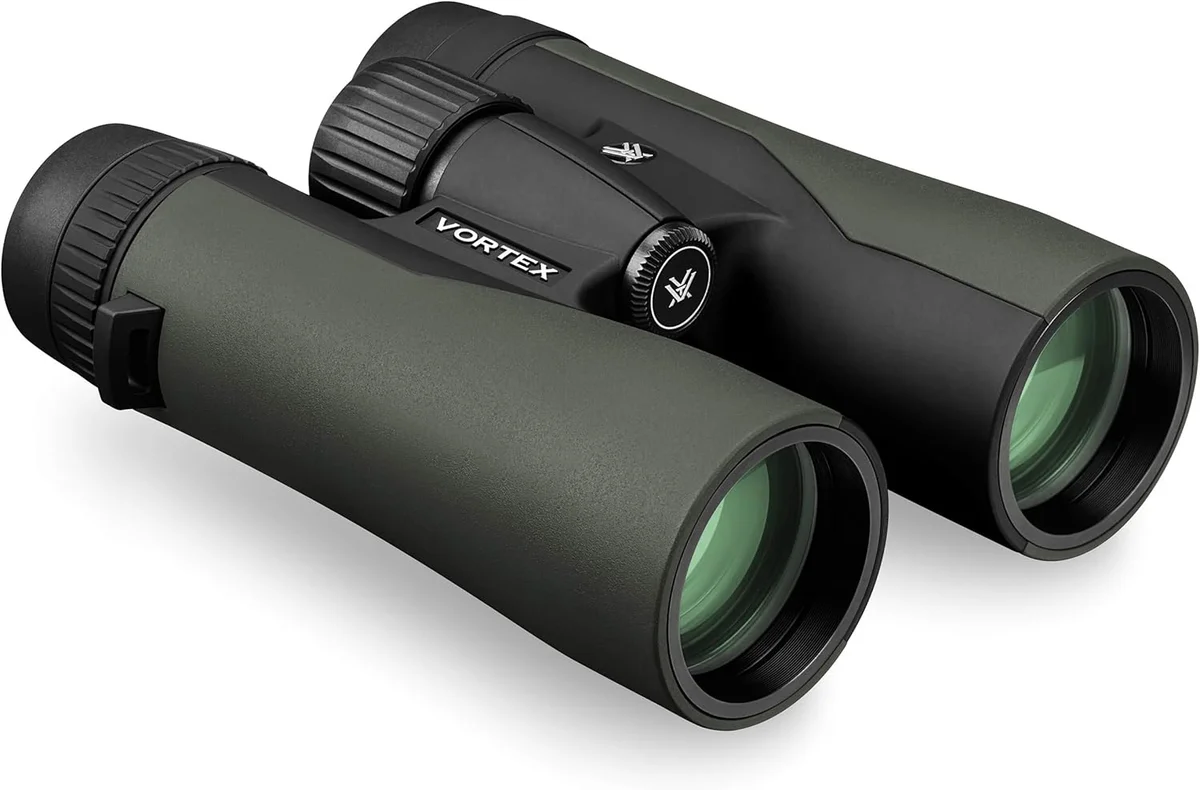
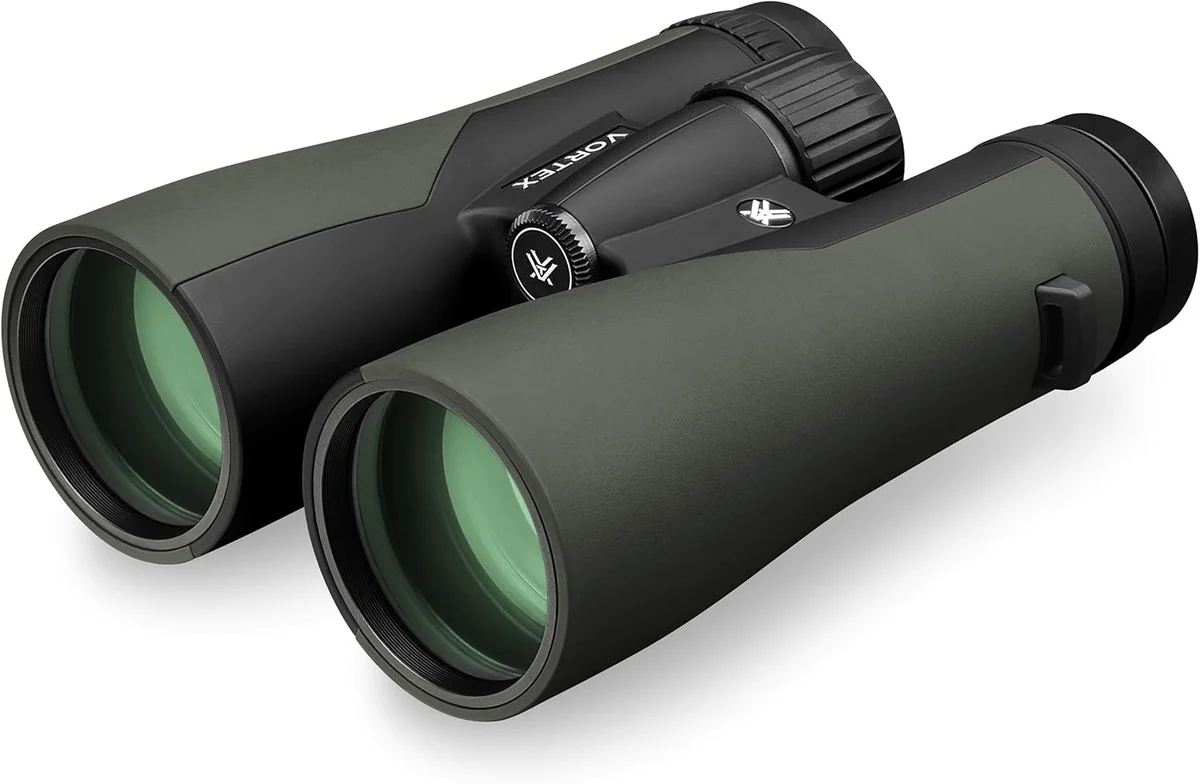
This is the gap between the Vortex Crossfire HD 10x42 at 75% measured light transmission and the Vortex Diamondback HD 10x42 with its dielectric coatings pushing transmission well above that figure. Both are labeled "Fully Multi-Coated." Both passed the minimum FMC threshold. But its dielectric prism coatings — multi-layer non-metallic coatings applied specifically to the prism surfaces — reflect 99%+ of light internally instead of the 87-93% that standard aluminum mirror coatings achieve on the prism. That 6-12% difference on the prism alone translates to a visibly brighter, higher-contrast image.
The Crossfire vs Diamondback comparison shows exactly where you see this brightness gap in real-world conditions — dawn, dusk, and deep shade are where the dielectric advantage becomes unmistakable.
Coatings and the Prism Problem
Lens coatings get the marketing attention. Prism coatings often matter more.
Light passes through each lens surface once. Light bounces off each prism surface — in a roof prism, the light reflects off 4-5 internal surfaces before exiting. If those prism surfaces use simple aluminum mirror coatings, each reflection loses 7-13% of the light. Four reflections at 90% efficiency each: 0.9 × 0.9 × 0.9 × 0.9 = 0.656. The prism alone wastes a third of your light before the lens coatings even become relevant.
Three prism coating technologies address this, each at a different price point:
Aluminum mirror coatings. The baseline. Reflect about 87-93% of light per surface depending on the angle of incidence. Cheap to apply. Found on all budget and most mid-range binoculars. Every non-Diamondback binocular in our catalog uses this standard — including the Vortex Crossfire HD, Vortex Triumph HD, Bushnell H2O Xtreme 10x42, and all the compacts and high-power models.
Silver mirror coatings. Reflect 95-98% per surface. More expensive and less durable than aluminum. Common on mid-premium binoculars in the $300-500 range, though not represented in our current catalog. Silver coatings tarnish if the seal is breached, making internal sealing quality critical.
Dielectric coatings. Multi-layer non-metallic coatings that achieve 99%+ reflectivity per prism surface across the visible spectrum. Four reflections at 99% each: 0.99 × 0.99 × 0.99 × 0.99 = 0.961. The prism now transmits 96% of light instead of 66%. That 30 percentage-point gap is larger than the entire effect of upgrading from Coated to Fully Multi-Coated lenses. In our catalog, only the Vortex Diamondback HD has dielectric prism coatings — and it is the single biggest optical upgrade in the Vortex lineup below $450.
The dielectric advantage is not subtle. It is the single largest brightness upgrade available without jumping to a higher price tier entirely.
Light Transmission by Tier — Real Numbers
Manufacturers rarely publish measured light transmission figures. Independent reviewers like AllBinos, OpticsMag, and BirdWatchingDaily do. Here are real-world transmission ranges by coating tier, compiled from independent lab measurements and our own comparisons:
Coated (C): 50-65% total transmission. The image is visibly dim even in broad daylight. Twilight performance is effectively zero — the image darkens to the point of uselessness before the sun actually sets. Not found in any binocular we review.
Fully Coated (FC): 70-78% total transmission. Daytime use is acceptable. Dawn and dusk images are dim but usable for 15-20 minutes after sunrise and before sunset. Budget binoculars in the $30-50 range typically land here.
Multi-Coated (MC): 78-86% total transmission. The sweet spot for budget-conscious buyers who want usable low-light performance. Extends the usable dawn/dusk window to 30-40 minutes. Common on binoculars in the $50-100 range.
Fully Multi-Coated (FMC): 85-95% total transmission. The range here is wide because "FMC" spans everything from budget-FMC to premium-FMC-with-dielectric-prisms. The Vortex Crossfire HD measures 75.1% per AllBinos — on the lower end of FMC because it lacks dielectric prism coatings. The Vortex Diamondback HD with dielectric coatings pushes well above that. Premium brands like Swarovski and Zeiss achieve 92-95% with their top-tier coatings — glass that costs $2,000+ and lives in a different world than our catalog covers.
The practical takeaway: below 80% transmission, you notice the dimness in any shadow, overcast sky, or forest canopy. Above 88%, the image looks bright enough that you stop thinking about brightness entirely. The gap between 80% and 90% is where the money gets spent — and where dielectric prism coatings earn their premium.
How Coatings Interact With Objective Size
Objective diameter determines how many photons enter the binocular. Coatings determine what percentage of those photons reach your eye. The two specs multiply — a large objective with poor coatings can transmit fewer photons than a small objective with excellent coatings.
Consider two binoculars: a 50mm objective with 70% total transmission captures an effective light area of 0.70 × 1,963 sq mm = 1,374 sq mm equivalent. A 42mm objective with 92% transmission captures 0.92 × 1,385 sq mm = 1,274 sq mm equivalent. The 42mm binocular with premium coatings delivers nearly the same brightness as the 50mm with mediocre coatings — in a lighter, more compact body.
This math is why the Crossfire HD 12x50 only measures 76% light transmission despite its larger 50mm objectives. The 12x50 gathers 42% more raw light than a 42mm binocular, but after coating losses, the net brightness advantage shrinks considerably. Meanwhile, the Diamondback HD 10x42 with dielectric coatings achieves a higher effective brightness from smaller objectives because a larger fraction of the collected light actually reaches your eye.
Bigger glass is the brute-force solution.
Better coatings are the efficient one — and they save you weight in the field.
Phase Correction — The Coating Most People Miss
Phase correction coatings are applied to the prism, not the lenses, and they solve a problem specific to roof prisms. When light reflects inside a roof prism, the two beams that split and recombine at the roof surface arrive slightly out of phase — the wave peaks no longer align. This phase shift degrades resolution and contrast, producing an image that looks soft even when the focus is perfect.
Phase correction coatings realign the two beams so they recombine constructively. The result is sharper edges, better contrast, and more resolved detail — particularly in fine structures like bird feather patterns, leaf textures, and distant text. The improvement is subtle in casual use but immediately obvious when comparing a phase-corrected binocular to a non-corrected one side by side.
In our catalog, only the Vortex Diamondback HD includes phase correction. The Crossfire HD 10x42 and Triumph HD 10x42 lack it. Porro-prism binoculars do not need phase correction because their light path does not split at a roof surface — this is one reason porro-prism designs sometimes produce sharper images per dollar than similarly priced roof-prism binoculars.
If you are comparing two FMC binoculars at similar prices, phase correction is often the tiebreaker. The Crossfire HD vs Diamondback HD comparison demonstrates exactly how phase correction changes image sharpness when every other spec on the box matches.
Our Catalog Through the Coating Lens
Every binocular we review is Fully Multi-Coated. We set that as the floor during product selection. But "FMC" is the beginning of the coating story, not the end. Here is how our catalog stratifies when you look beyond the marketing label:
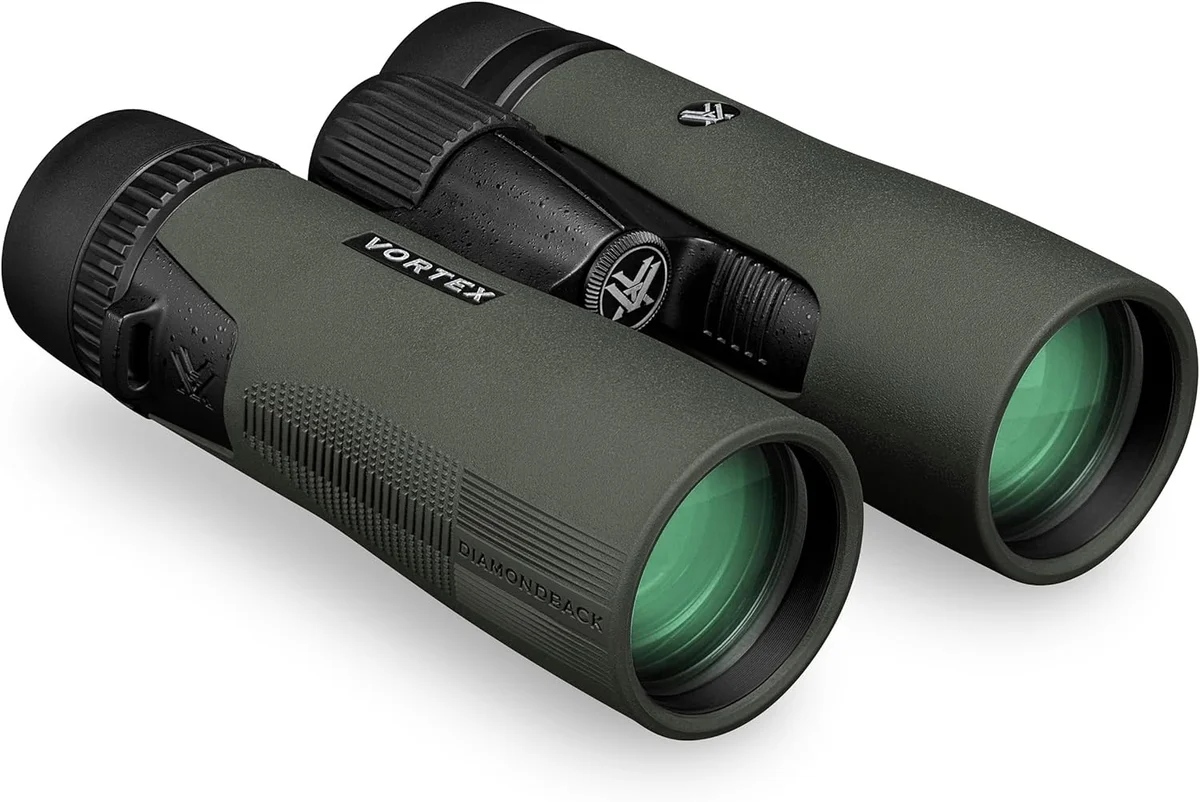
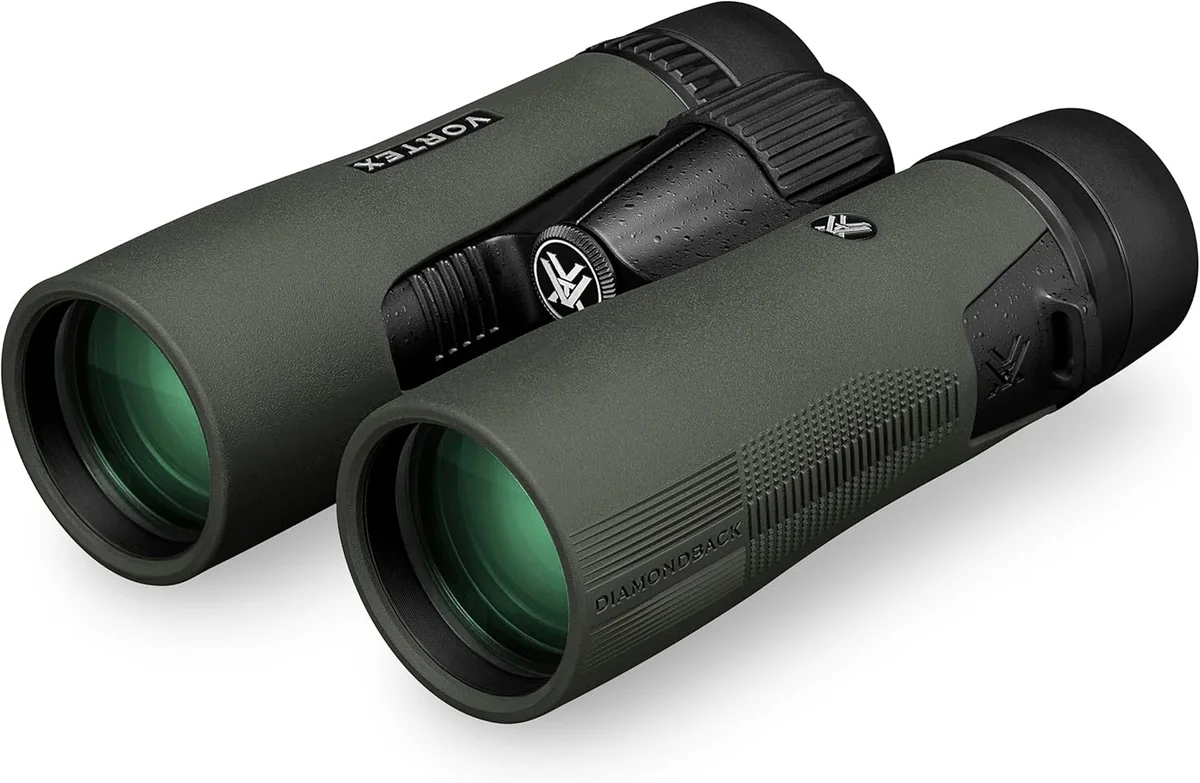
FMC + dielectric prism coatings + phase correction: Vortex Diamondback HD 10x42. The only binocular in our catalog with all three premium coating features. This is why it consistently wins our side-by-side comparisons for image brightness and sharpness despite sharing the 10x42 configuration with cheaper models. The best binoculars roundup ranks it at the top for a reason.
FMC with standard aluminum prism coatings: Crossfire HD 10x42, Crossfire HD 12x50, Triumph HD 10x42, Bushnell H2O Xtreme. All four pass the FMC baseline but none have dielectric or phase correction. Image brightness varies within this group based on manufacturing precision and glass quality — the Crossfire measures 75.1% transmission while the Triumph runs below 80%.
FMC claimed, unverified: Adasion 12x42 HD, Adasion 20x50 High Power, Occer 12x25 compact, Hontry 10x25 foldable, Tinllaans 15x55 UHD. These products all claim Fully Multi-Coated optics in their Amazon listings. No independent lab has verified the claims. At price points of $20-40, the coating quality is almost certainly several steps below what Vortex and Bushnell achieve — the manufacturing economics simply do not support premium multi-layer coatings at those prices. The images are usable in daylight but noticeably dimmer in low light than the verified FMC optics above.
Look, the coating tier printed on the box is a useful starting filter. But when every binocular in a category claims "Fully Multi-Coated," the spec becomes useless as a differentiator. Independent transmission measurements and premium prism coatings (dielectric, phase correction) separate the real performers from the ones that merely check the FMC box.
I'd steer anyone spending more than $150 toward the Diamondback HD review page to see why — the dielectric and phase correction coatings create the largest single optical jump in our entire catalog.
Now That You Know How Coatings Work
Coating quality shapes every other spec — brightness, contrast, sharpness, low-light range. The best binoculars overall roundup ranks every model we review with coating quality factored into the scoring. The top birding binoculars roundup weights coatings heavily because dawn light demands high transmission. And the Crossfire vs Diamondback comparison shows exactly where dielectric coatings and phase correction justify the price gap between two binoculars that share every other spec on paper.
Coating Questions We Hear Most Often
These are the coating questions that come up most in binocular forums and buyer research.
What does Fully Multi-Coated mean on binoculars?
Fully Multi-Coated (FMC) means every air-to-glass surface in the entire optical path — both sides of every lens element and all prism faces — has received multiple layers of anti-reflective coating. This is the highest tier in the standard four-level coating hierarchy. A typical 10x42 roof-prism binocular has 10-16 air-to-glass surfaces. With FMC treatment, each surface reflects less than 0.5% of incoming light instead of the 4-5% lost on uncoated glass. The cumulative effect across all surfaces is dramatic: FMC optics transmit 90-95% of light compared to 50-70% in uncoated or single-coated designs.
Do coatings matter more than prism type?
Yes, in most cases. Prism type (roof vs porro) determines the light path geometry, but coatings determine how much light survives that path. A fully multi-coated porro-prism binocular often outperforms a single-coated roof-prism binocular in brightness and contrast, even though roof prisms are generally considered the more modern design. The coating tier has a larger impact on perceived image quality than the prism architecture for most users.
Can you add coatings to binoculars after purchase?
No. Anti-reflective coatings are vacuum-deposited during manufacturing in a clean room environment. They cannot be applied after the fact by a consumer or a repair shop. The coating tier is fixed at the factory and is one of the primary cost drivers in binocular manufacturing. If you want better coatings, you need a different binocular.
Why are coated binoculars cheaper than multi-coated ones?
Each additional coating layer requires a separate vacuum deposition cycle with precise thickness control — typically measured in nanometers. A single-layer coating needs one deposition pass. A multi-layer broadband coating may need 5-7 passes, each with different materials (magnesium fluoride, silicon dioxide, titanium dioxide) at exact thicknesses tuned to specific wavelengths. More passes mean more machine time, more raw materials, higher reject rates, and stricter quality control. The cost difference between Coated and Fully Multi-Coated optics is primarily manufacturing complexity, not raw material cost.
How do you tell what coating binoculars have?
Hold the binoculars under a light and look at the lens reflections. Uncoated glass reflects white light. Single-coated lenses show a blue or purple tint. Multi-coated lenses produce green or dark green reflections. The depth and consistency of the color across all lens surfaces indicates the coating quality. If some surfaces reflect differently than others, the binoculars are likely Fully Coated rather than Fully Multi-Coated — meaning only some surfaces got the multi-layer treatment.
Do coatings wear off over time?
Modern anti-reflective coatings are durable but not indestructible. Normal use — including proper cleaning with a microfiber cloth — will not damage them. Abrasive cleaning materials, sand, and grit will scratch the coatings permanently. Some premium binoculars add a hard outer coating (like Vortex Armortek) on the external lens surfaces specifically to protect the anti-reflective layers underneath. Internal surfaces are sealed inside the optical path and effectively last the lifetime of the binocular unless moisture breaches the seal.
Our Top Recommendation
Based on our research, the Diamondback HD 10x42 is our top pick — hunters and birders who want the best glass under $300 with a lifetime warranty.
Get Picks Delivered
One email per week. Honest reviews, no spam.
Only when something changes. Unsubscribe anytime.