Monocular vs Binoculars: One Barrel or Two?
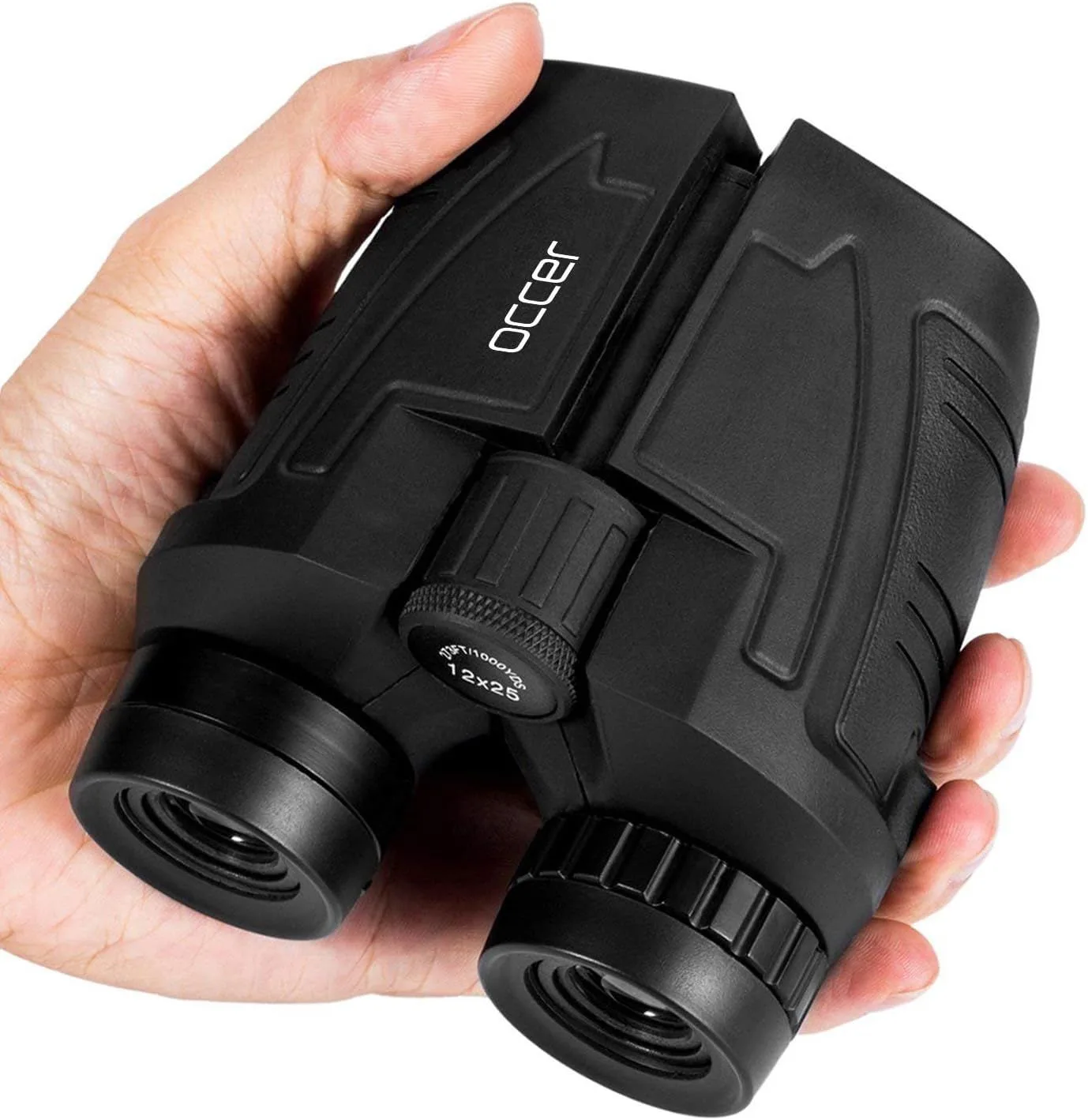
A monocular is a single-barrel optical instrument — one tube, one eyepiece, one eye viewing at a time — while binoculars use two matched barrels to feed both eyes a synchronized magnified image. The monocular trades depth perception, stereo viewing comfort, and wider effective field of view for pocket-sized portability, one-handed operation, and roughly half the weight of equivalent-power binoculars. The deciding factor is viewing duration.
The real question is not which is "better." It is how long you plan to look through it.
For a ten-second glance at a trail marker or a stadium scoreboard, one eye works fine. For five minutes of watching a hawk circle a thermal, two eyes win so decisively that the weight savings of a monocular stop mattering. We break down exactly where that comfort boundary falls and which activities land on each side of it. Our best binoculars for 2026 picks up where this comparison ends — once you know which format you need.
See Our Top Pick: Occer 12x25
Where Monoculars Have a Real Edge
Look, the monocular's advantages are real — just narrow. Three specific areas favor one barrel over two, and they all trace back to the same root cause: one optical tube instead of two means less glass, less weight, and a smaller physical profile that fits where binoculars cannot.
Weight and packability. A pocket monocular in the 8x25 to 10x25 range weighs 4-6 ounces and fits inside a jacket pocket or the hip-belt pocket of a backpack. That is roughly half the weight and a third of the volume of even the most compact folding binocular. For ultralight backpackers who count grams, or travelers who refuse to carry a case, this matters. The monocular goes where a binocular will not — clipped to a belt loop, dropped in a cargo pocket, tossed in a glove compartment.
One-handed operation. A monocular comes up to one eye with one hand. The other hand stays on a trekking pole, a steering wheel, or a railing. Binoculars demand both hands for a stable hold. In situations where your free hand is occupied — scrambling over talus, steadying yourself on a boat, holding a child — the monocular's single-hand ergonomics are a practical advantage, not just a convenience.
Spot-check speed. The monocular excels at what you might call "optical snapshots" — brief glances lasting under thirty seconds. Read a distant sign. Confirm whether that shape on the ridgeline is a deer or a boulder. Check whether the trail switchbacks below are flooded. For these tasks, the monocular's fast deployment and pocket return cycle outperforms fumbling with a binocular harness, raising two barrels, adjusting interpupillary distance, and stowing again.
Where Binoculars Pull Away — and It Is Not Close
The monocular's disadvantages multiply with time. What feels fine for ten seconds becomes uncomfortable at one minute and outright unpleasant at five. Three physiological and optical factors drive this decay, and none of them can be engineered away by a better monocular.
Viewing comfort and fatigue. Humans are built for binocular vision. When you close one eye or press a monocular to one socket while the other eye sees the unmagnified world, your brain receives conflicting inputs — one magnified image and one naked-eye image at different scales. Suppressing the unused eye requires continuous low-level effort. After 30-60 seconds, many people notice a dull ache behind the viewing eye. After several minutes, headache onset is common. Binoculars feed both eyes the same magnified scene, so the brain processes a single fused image with zero conflict. This is why birders, hunters, and astronomers — anyone who looks through optics for more than brief moments — overwhelmingly choose binoculars.
Depth perception. Two offset optical tubes separated by 4-5 inches of interpupillary distance produce a stereo image with real depth. A monocular produces a flat image — foreground and background compressed into a single plane. This flatness barely matters when looking at a sign or a stadium scoreboard. It matters enormously when tracking a bird through layered branches, estimating whether a deer is at 150 or 250 yards, or following a raptor circling against a complex sky backdrop. Depth perception is not a luxury feature in field optics — it is the mechanism that lets your brain separate subject from background in cluttered environments.
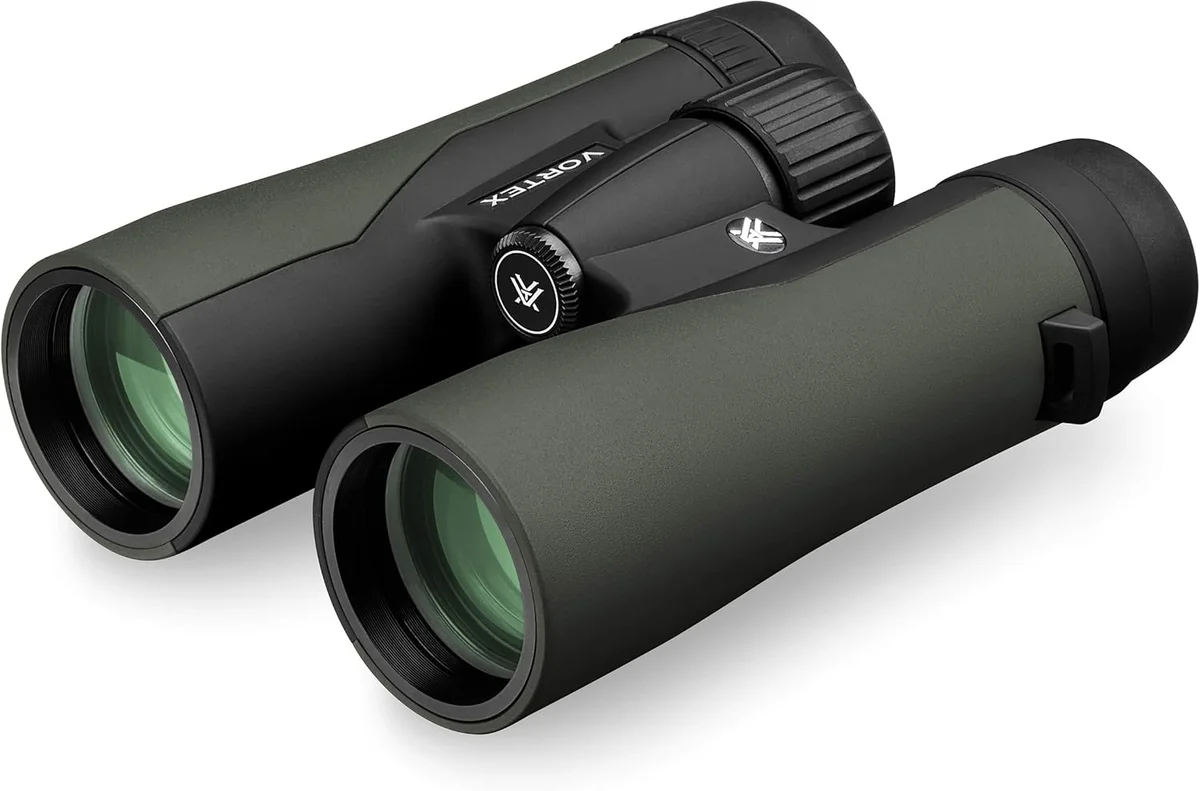
Effective field of view. A monocular's quoted field of view — say, 300 feet at 1,000 yards — feels narrower in practice than the identical spec on binoculars. The reason: when both eyes are active, the brain composites peripheral awareness around the magnified field. A binocular viewer has a sense of spatial context that a monocular viewer, with one eye shut or unfocused, simply lacks. This perceptual width difference makes binoculars better at scanning open landscapes — sweeping a field edge, tracking a flock in flight, searching a hillside for movement. The 10x42 vs 12x50 Crossfire comparison shows exactly how field of view and magnification interact at different objective sizes.
Image stability at higher power. Hand shake affects both monoculars and binoculars, but binoculars distribute the stabilization task across two hands gripping a wider body. A monocular, held in one hand, amplifies shake — especially above 8x. The narrow grip gives the muscles less mechanical advantage. For magnifications above 10x, binoculars provide a more stable handheld image without support gear.
Duration of Use: The Real Decision Line
Here's the thing: most monocular-vs-binocular debates miss the central variable entirely. They compare specs — magnification, weight, field of view — as if these features exist in isolation. They do not. The value of each feature changes based on how long you use the optic.
At 10 seconds, a monocular and binoculars perform similarly. Both magnify. Both show a clear image. The monocular was faster to draw and will be faster to pocket. Advantage: monocular.
At 60 seconds, the monocular's single-eye strain begins registering. The binocular viewer feels nothing unusual — two-eye viewing is how the brain prefers to operate. Advantage: shifting to binoculars.
At 5 minutes, the monocular user is switching eyes, blinking frequently, and losing concentration. The binocular user is absorbed in the subject — watching a heron fish, scanning a slope for elk, tracking a comet's motion against the star field. The difference in viewing quality is no longer subtle.
At 30 minutes, there is no comparison.
Nobody willingly spends thirty minutes looking through a monocular. It is physically unpleasant. Binoculars, with a harness or resting on a car hood, remain comfortable for hours.
This duration threshold — roughly the 60-second mark — is the practical dividing line. Activities that involve brief optical checks favor monoculars. Activities that involve sustained observation demand binoculars. Most outdoor activities fall clearly on one side or the other.
There is a physiological wrinkle worth understanding: the fatigue rate accelerates with magnification. A 6x monocular at 30 seconds feels fine. A 12x monocular at 30 seconds feels noticeably more strained because the narrower field and amplified shake force the eye to work harder to maintain focus. If you do choose a monocular, staying at 8x or below extends the comfortable viewing window by roughly 30-50% compared to 10x or 12x models. This is why most quality monoculars top out at 8x — the designers know the physiology sets a ceiling on useful magnification for one-eye viewing.
The reverse is also true for binoculars: because two-eye viewing distributes the neural load, binoculars can push to 12x without the same fatigue penalty. The Crossfire HD 12x50 at 12x remains comfortable for 20-30 minute sessions that would be punishing through a 12x monocular. This asymmetry is the fundamental reason binoculars dominate the sustained-use market despite weighing more.
Activity-by-Activity Breakdown
Theory matters less than use cases.
Here is where each format fits — and the reasoning traces directly to the duration threshold described above.
Day hiking (casual). Monocular works. Most hikers glance at wildlife, read a distant sign, check a trail intersection, and pocket the optic. These are 5-15 second tasks. A 4-ounce monocular in a hip-belt pocket adds almost nothing to pack weight. If wildlife observation is secondary to the hike itself, the monocular is the pragmatic choice.
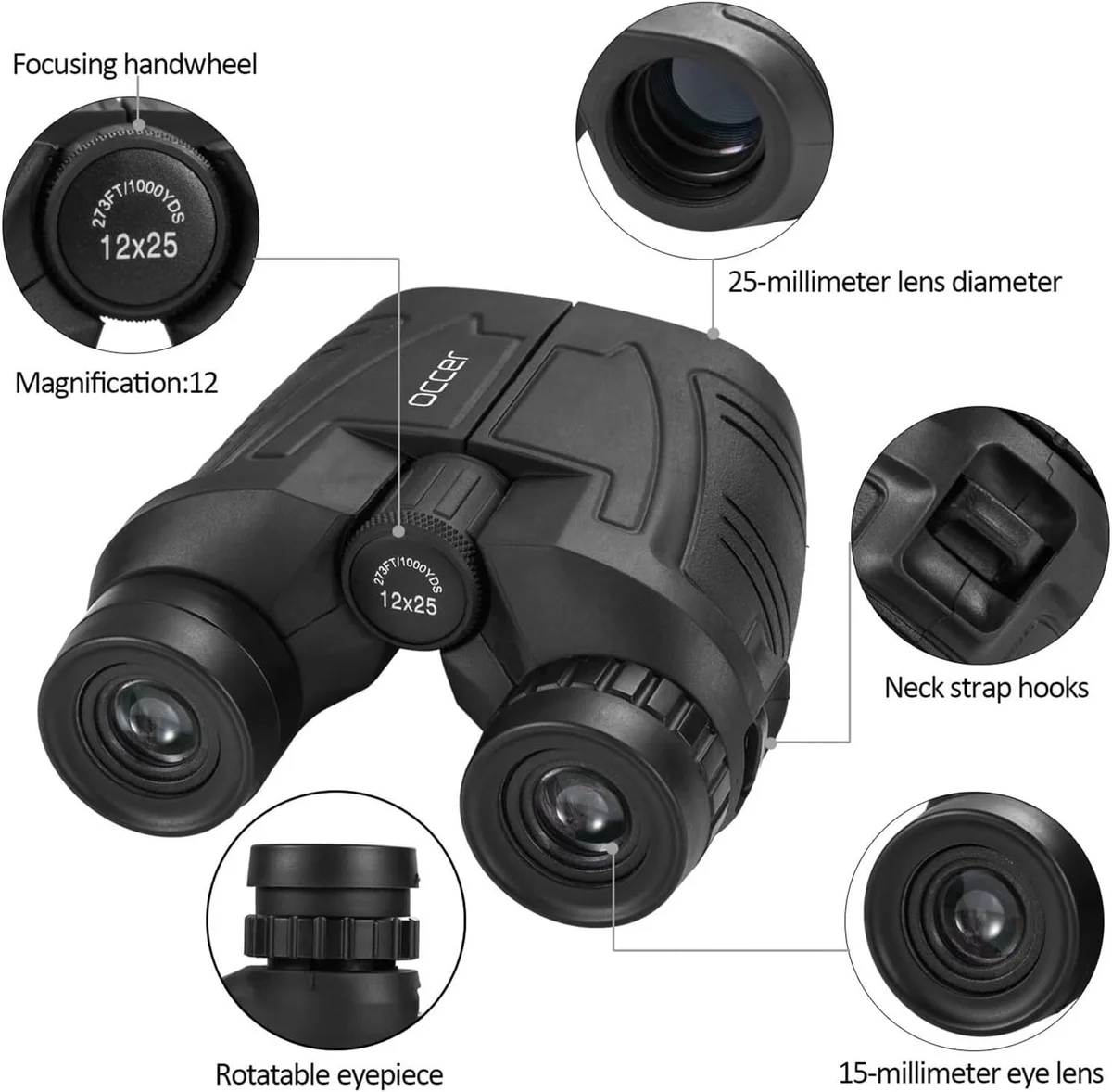
Day hiking (wildlife-focused). Binoculars win. If you stop to watch a marmot colony for three minutes, scan a treeline for woodpeckers, or glass an alpine basin for mountain goats, the viewing duration crosses the comfort threshold. The Occer 12x25 compact binocular weighs just 8 ounces — barely more than a monocular — and delivers two-eye comfort for these stops. It is the overlap-zone product: monocular portability with binocular ergonomics.
Birding. Binoculars, period. Birding sessions last hours. Individual observations last minutes — watching feeding behavior, confirming field marks, tracking flight patterns through canopy. A monocular fails at every aspect of serious birding. The best birding binoculars roundup covers the top-rated models, but the format is never in question.
Hunting. Binoculars for all but the most casual scenarios. Glassing — the systematic scanning of terrain for game — is the defining optical task of hunting. It lasts ten minutes to two hours depending on the terrain and strategy. Monocular fatigue during a pre-dawn glassing session would be debilitating. Depth perception also matters for range estimation in the field. The best hunting binoculars roundup ranks the models that hold up in the field.
Concerts and sporting events. Either can work, and this is one of the few activities where a monocular does not carry a penalty. Concert viewing consists of quick magnified glances: check the guitarist's pedal board, read the setlist taped to the stage, see the pitcher's grip on a breaking ball. These are 5-20 second looks in well-lit environments where depth perception is irrelevant and pocketability is king. Still, compact binoculars for events remain comfortable and fit in a jacket pocket — so the monocular's edge here is marginal rather than decisive.
Travel and sightseeing. Monocular has a case. Reading building inscriptions, checking out distant architecture, zooming in on a cathedral facade — these are brief optical tasks during days where every ounce of pack weight competes with camera gear, water, and guidebooks. A monocular slips into a pocket without displacing anything.
Astronomy and comet viewing. Binoculars, no contest. Stargazing sessions run 20 minutes to several hours. The larger objectives on 42-50mm binoculars gather far more light than a monocular's single small tube. Two-eye viewing in darkness is far less fatiguing than squinting through one barrel while the other eye adapts to ambient light. The Crossfire HD 12x50 review covers our best option for night-sky observation.
The Compact Binocular: Where Both Worlds Overlap
The most common reason people consider a monocular is weight.
They want something lighter and more portable than a full-size 10x42 binocular that weighs 22 ounces and needs a harness. The assumption is that the choice is between a 5-ounce monocular and a 22-ounce binocular. Compact binoculars break that false binary.
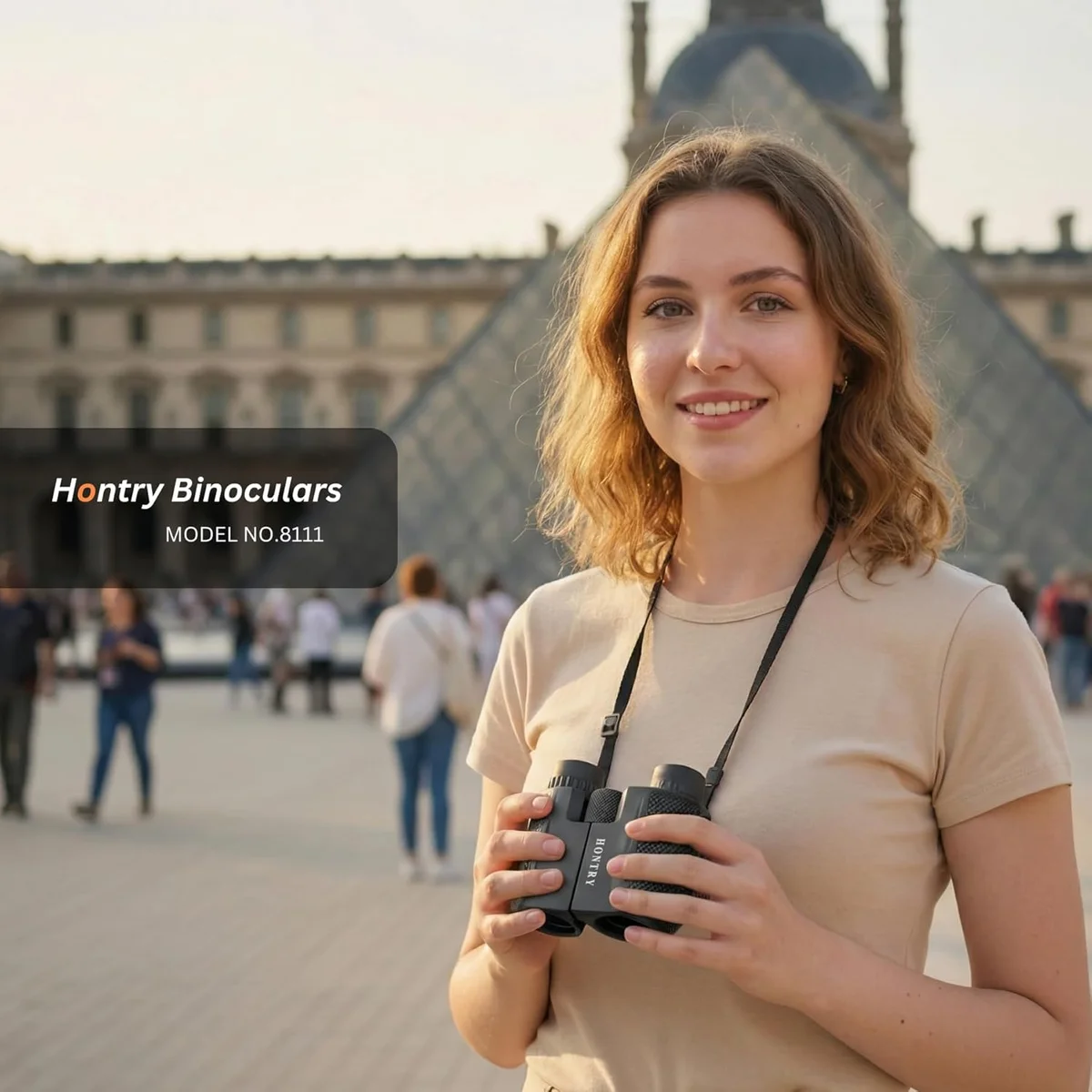
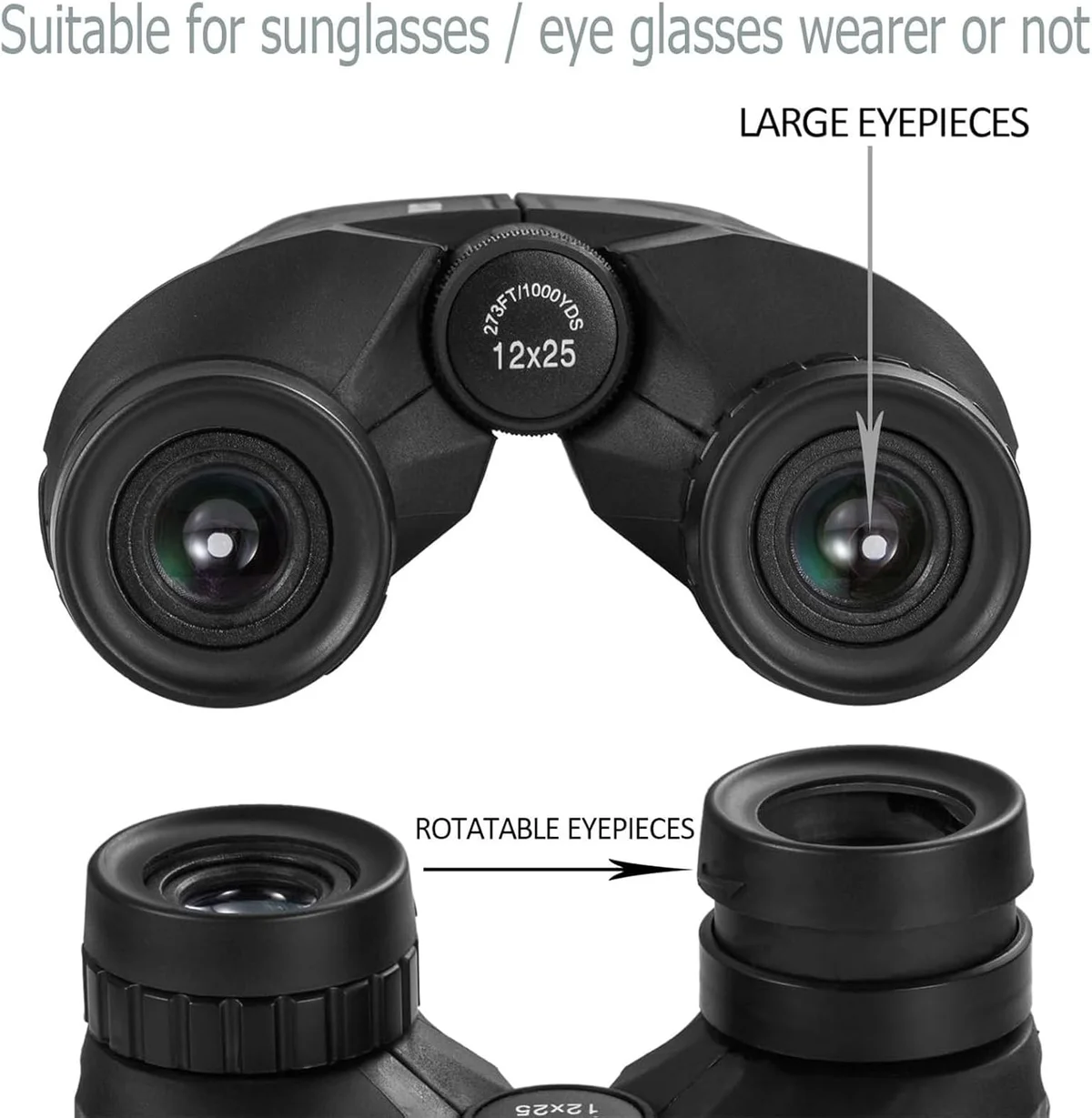
A 10x25 or 12x25 compact binocular weighs 7-10 ounces — roughly double a monocular, but less than half a full-size binocular. It folds flat enough for a large jacket pocket or a small belt pouch. And it delivers the critical advantages of binocular vision: two-eye comfort, depth perception, and wider effective field of view.
The optical tradeoffs are real — 25mm objectives gather a third the light of 42mm, so dawn and dusk performance suffers. But for daylight activities where the monocular would otherwise win on portability, pocket-sized binoculars match the convenience while eliminating the single-eye strain that makes monoculars uncomfortable past the one-minute mark.
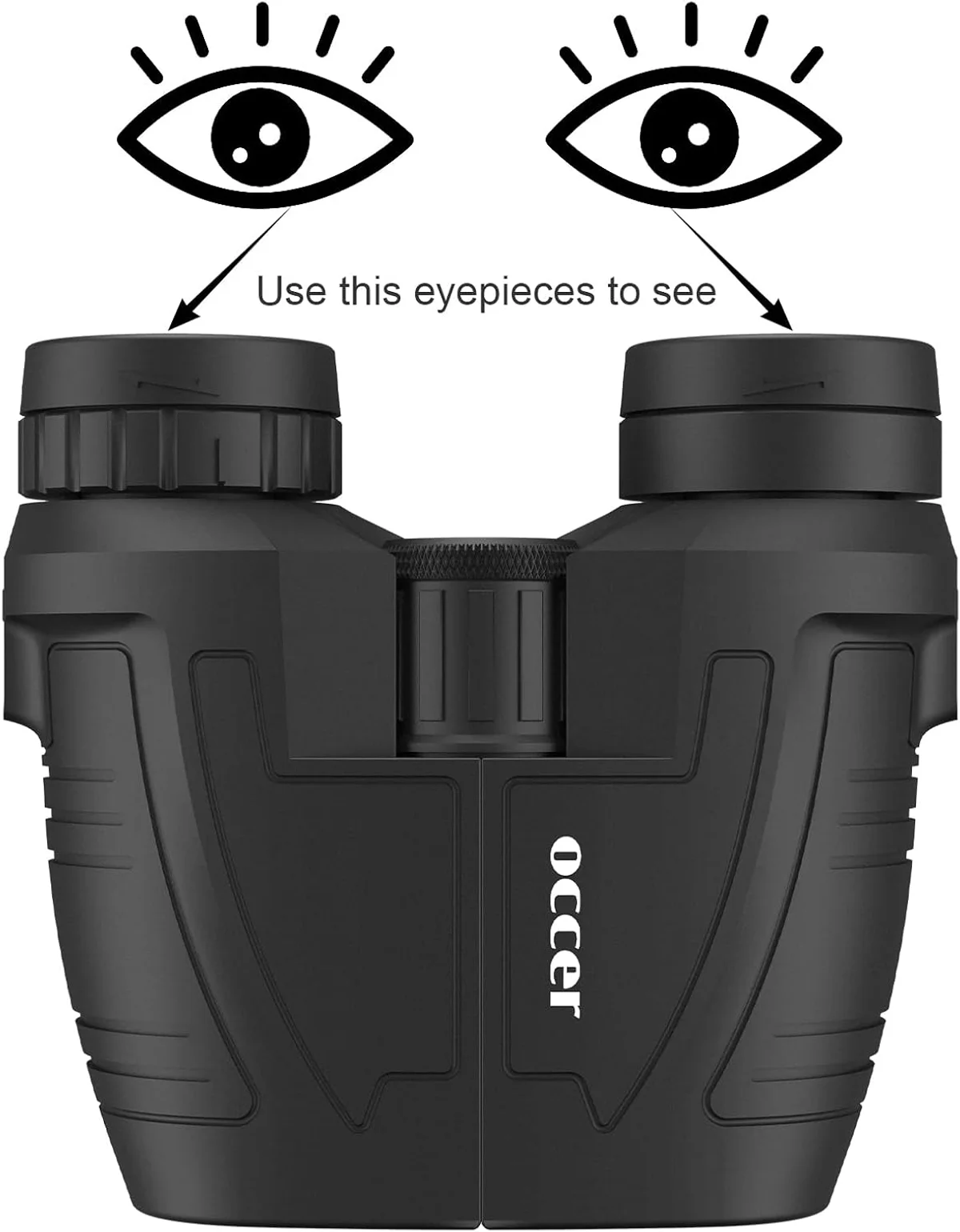
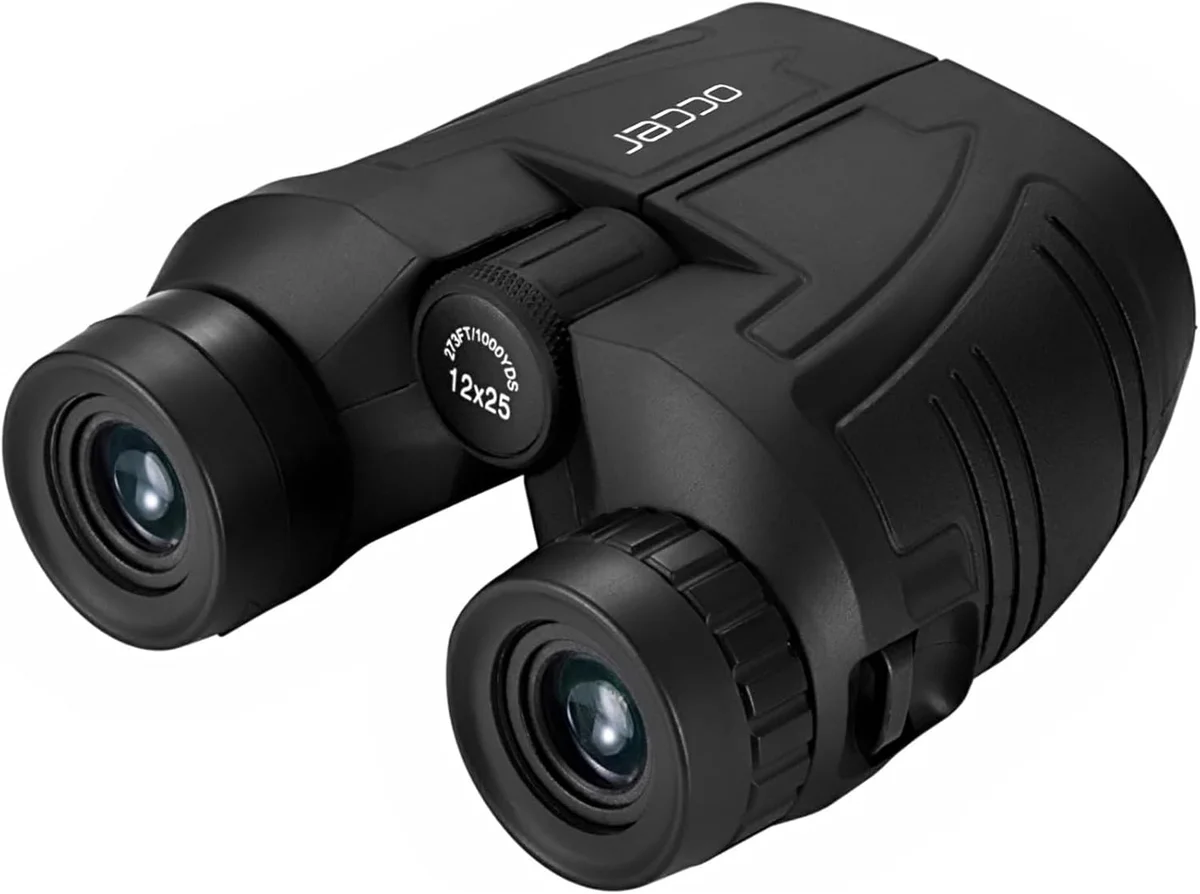
The Occer 12x25 compact binocular and Hontry 10x25 foldable binocular sit in this overlap zone. They weigh under 10 ounces, fold to pocket size, and cost less than most standalone monoculars from premium brands. The Occer vs Hontry comparison covers which compact configuration fits which use case. For anyone torn between monocular portability and binocular comfort, a compact binocular is usually the right compromise — and it is the reason we recommend the Occer 12x25 compact as this page's top pick.
The best compact binoculars roundup ranks every pocket-sized option in our catalog if you want to compare beyond these two.
When a Monocular Still Makes Sense
We are not dismissing monoculars. Three specific profiles benefit from the single-barrel format even after accounting for its limitations:
Vision impairment in one eye. If you have limited or no vision in one eye, a monocular is not a compromise — it is the correct tool. Binoculars waste half their optics on an eye that cannot use them. A monocular concentrates quality and light-gathering into the single barrel you can use.
Dedicated backup optic. Hunters and guides who carry full-size binoculars as their primary optic sometimes pocket a small monocular as a backup — for quick checks when the binoculars are cased or for lending to a companion who did not bring glass. The monocular's role here is supplementary, not primary.
Absolute weight minimalism. Thru-hikers on multi-month trails, mountaineers above treeline, and anyone who absolutely cannot spare 8 ounces have a legitimate case for the monocular. When you are counting grams across a 30-pound base weight, the monocular's 4-ounce saving over a compact binocular adds up over 2,000 miles. For most weekend hikers, this math does not apply.
Ready to Choose Your Format
If sustained viewing is in your future — birding, hunting, stargazing, or any activity where you watch rather than glance — binoculars are the clear choice. Our top-rated binoculars for 2026 ranks every model we have reviewed by overall value. The Occer vs Hontry compact comparison helps narrow down the right pocket-sized pair. And the Crossfire HD vs Diamondback HD comparison shows how two binoculars with identical magnification can differ in optical quality, build, and price.
For specific activities, our dedicated guides cover the nuances that a format comparison cannot: the hiking binoculars guide weighs portability against optical power for trail use, the hunting binoculars guide covers the dawn-to-dusk brightness and waterproofing that field use demands, and the concert binoculars guide addresses the specific venue constraints where compact form factor matters most. Each guide recommends specific models rather than formats — because once you have decided on binoculars (and for most people reading this, you should), the next question is which binoculars, not which format.
If you are still on the fence between a monocular and binoculars, consider borrowing both and timing your viewing sessions. The 60-second threshold is not theory — it is the point where your own eye strain will make the decision for you. Most people who test both formats for a weekend come back with the same answer: binoculars for anything they actually care about watching, monocular staying in the glove compartment for the rare spot-check.
One Eye or Two — Common Questions
The questions people search most often when deciding between a monocular and binoculars for outdoor activities.
Is a monocular as good as binoculars?
For short viewing tasks — checking a trailside bird, reading a distant sign, scanning a stadium — a monocular performs well enough. For anything lasting more than a few minutes, binoculars win decisively. Two-eye viewing eliminates the strain of keeping one eye shut, provides depth perception that helps track moving subjects, and produces a wider apparent field of view. A monocular is a pocket tool; binoculars are a sustained-use instrument.
Why do birdwatchers prefer binoculars over monoculars?
Birding demands extended observation — watching a warbler work through branches for five minutes, scanning a mudflat for thirty. Two-eye viewing reduces fatigue during these sessions by an order of magnitude. Binoculars also deliver a wider field of view at the same magnification, making it easier to locate and follow fast-moving birds. The depth perception from stereo vision helps judge distance through overlapping foliage where a flat monocular image loses the bird against the background.
Can you use a monocular for stargazing?
Yes, but with limits. A monocular works for quick moon observation or spotting bright planets. For sustained astronomy — watching a comet track across the sky, scanning the Milky Way — binoculars with 42mm or 50mm objectives gather far more light and the two-eye viewing eliminates the fatigue of squinting through one barrel in the dark for an hour.
What magnification monocular is equivalent to 10x42 binoculars?
A 10x monocular matches the magnification, but the comparison ends there. The single 25-32mm objective on most monoculars gathers a fraction of the light that two 42mm objectives deliver. The image is dimmer, the field of view is narrower, and sustained viewing is less comfortable. You get the same "zoom" with none of the ergonomic or optical advantages that make 10x42 binoculars the default recommendation.
Are monoculars lighter than small binoculars?
Typically yes, but the gap is smaller than people assume. A quality 10x25 monocular weighs around 4-5 oz. A compact 10x25 binocular weighs 8-10 oz. The monocular saves 4-5 ounces and fits in a single pocket instead of needing a small case. The question is how long you plan to look through it — the weight savings only justifies the loss of depth perception and two-eye comfort if viewing sessions stay under a minute.
Monocular or binoculars for hiking — which is better?
For day hikes where optics are an afterthought — packed just in case — a monocular earns its spot through sheer pocketability. For hikes where wildlife observation is part of the plan, pocket-sized binoculars outperform. The extra few ounces disappear into any daypack, and the viewing comfort pays off the moment you stop to watch an elk herd or scan a ridgeline for more than thirty seconds.
Our Top Recommendation
Based on our research, the Occer 12x25 is our top pick — concerts, sporting events, and travel where pocketability matters more than optical performance.
Get Picks Delivered
One email per week. Honest reviews, no spam.
Only when something changes. Unsubscribe anytime.